
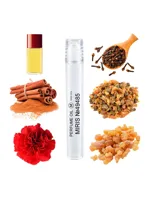
Is MIRIS No. 49485 a dupe of Yves Saint Laurent Opium (1977)?
Opium (1977) EDT
Yves Saint Laurent by Jean-Louis Sieuzac, Jean Amic, Raymond Chaillan Original Acquired



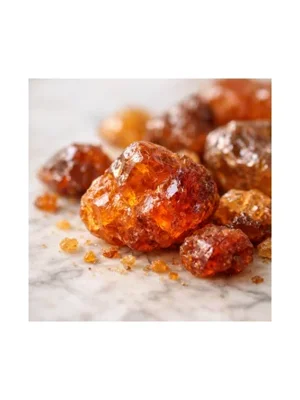


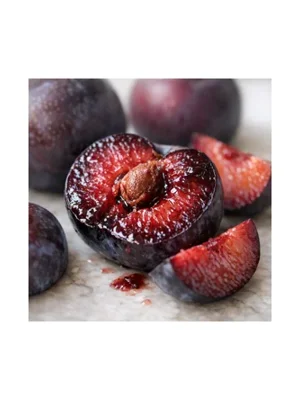
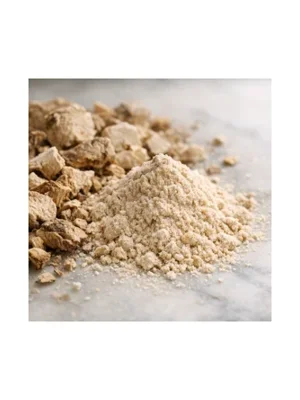

 Opium (1977) EDT
| EDT | Concentration | Oil |
| F | Gender | F |
| 1977 | Year | - |
| $$ | Price Tier | $ |
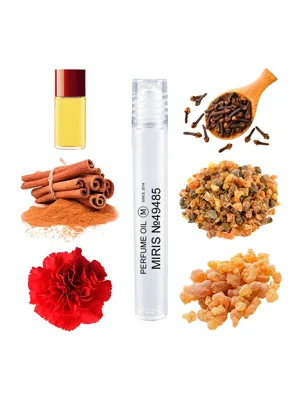 No. 49485 Oil

Where they differ
Biggest gaps first. The bolder side leads.
ScentArt
How it unfolds
Notes
- Opium (1977)
- No. 49485
- in both
Tap a note to light it in both. A+B means both have it


Which Should You Buy?
Spicy, resinous and unapologetic, the vintage Opium still has big presence and divides the room. Best on cold evenings, when clove, carnation and incense have room to bloom.
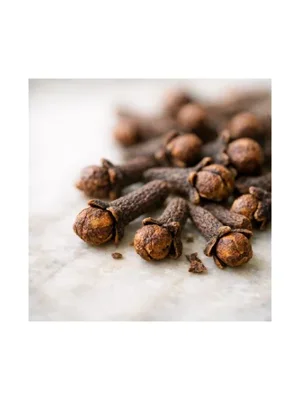
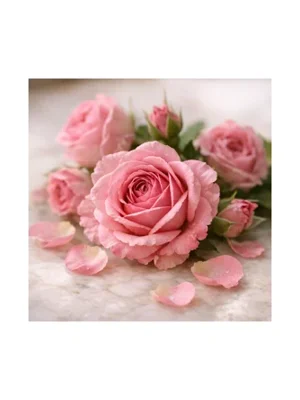
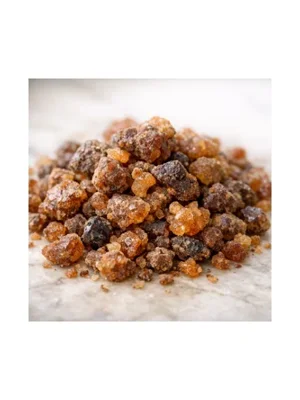
Clove, pepper and bay open a spiced citrus start, then carnation, cinnamon and rose lead to a deep base of incense, myrrh, amber and balsamic resins.
Scent Profile
How They Wear
Mood
Notes
Top Notes
Top Notes
Heart Notes
Base Notes
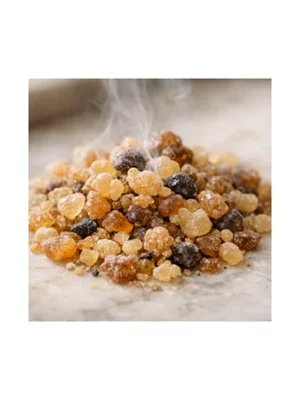 Incense
9% share of the perfume
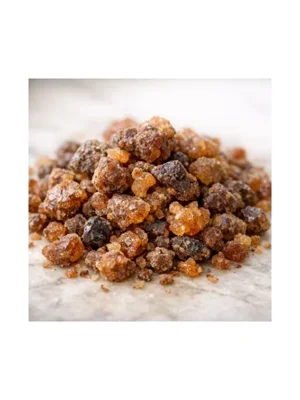 Myrrh
8% share of the perfume
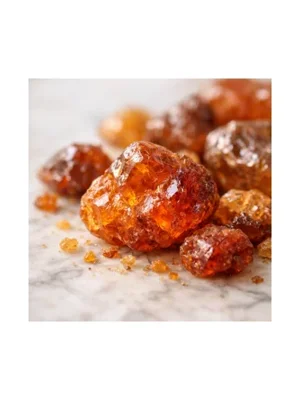 Amber
7% share of the perfume
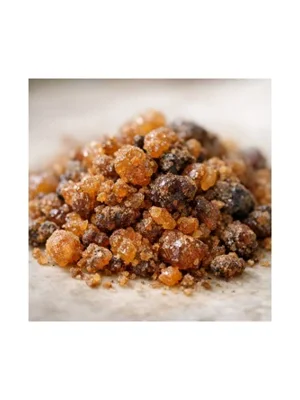 Opoponax
4% share of the perfume
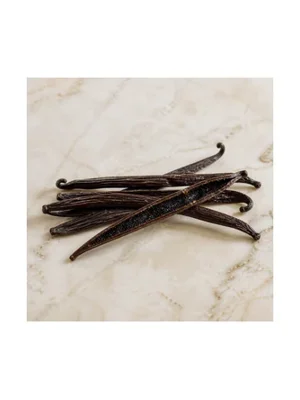 Vanilla
4% share of the perfume
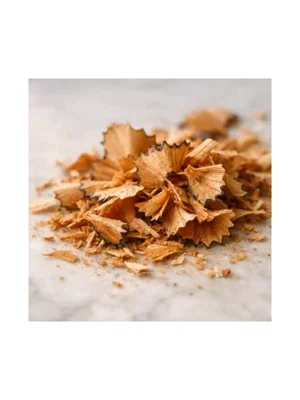 Cedar
3% share of the perfume
 Musk
3% share of the perfume
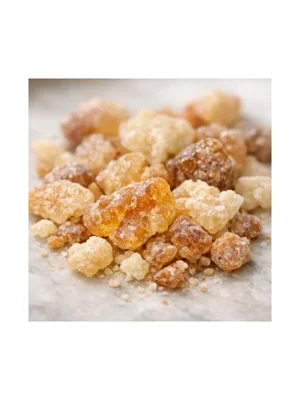 Benzoin
3% share of the perfume
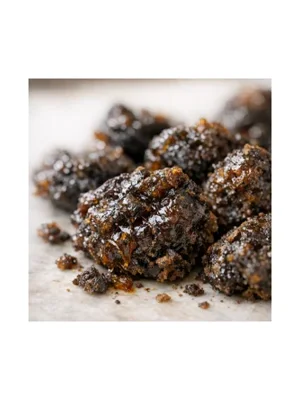 Labdanum
2% share of the perfume
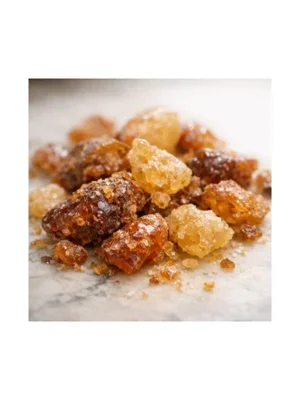 Tolu Balsam
2% share of the perfume
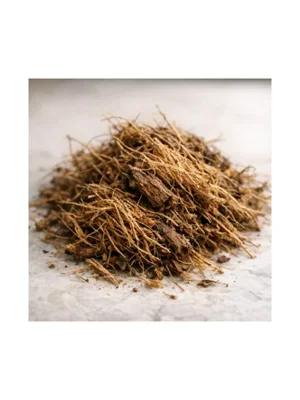 Vetiver
1% share of the perfume
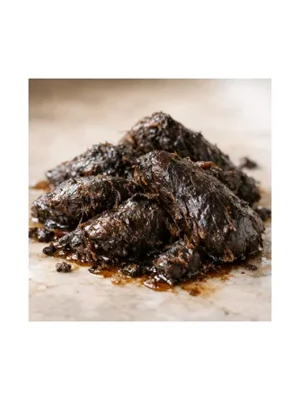 Castoreum
1% share of the perfume
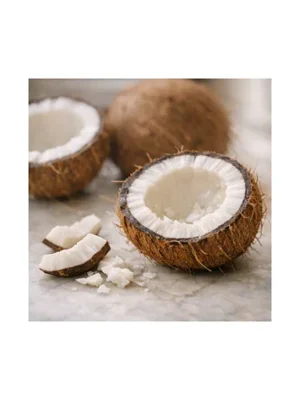 Coconut
0% share of the perfume
Base Notes
Incense
5% share of the perfume
Myrrh
4% share of the perfume
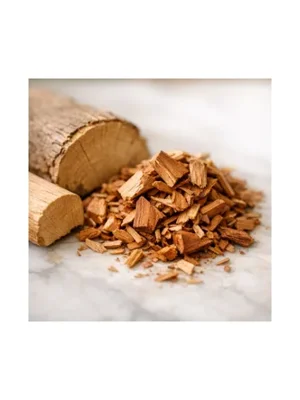 Sandalwood
4% share of the perfume
Tolu Balsam
4% share of the perfume
Amber
3% share of the perfume
Opoponax
3% share of the perfume
Musk
3% share of the perfume
Cedar
3% share of the perfume
Vetiver
3% share of the perfume
Vanilla
3% share of the perfume
Castoreum
3% share of the perfume
Labdanum
3% share of the perfume
Benzoin
3% share of the perfume
Incense
8%
vs
4%
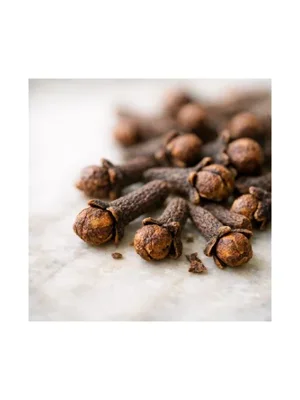 Clove
8%
vs
4%
Myrrh
7%
vs
4%
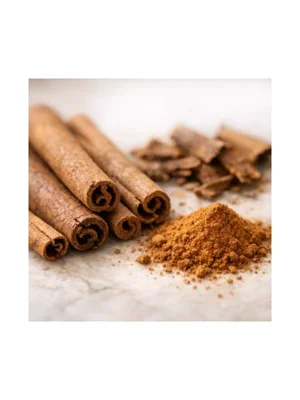 Cinnamon
7%
vs
4%
Amber
6%
vs
3%
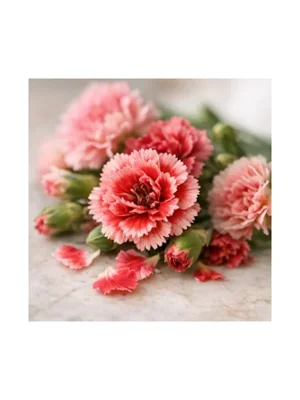 Carnation
4%
vs
4%
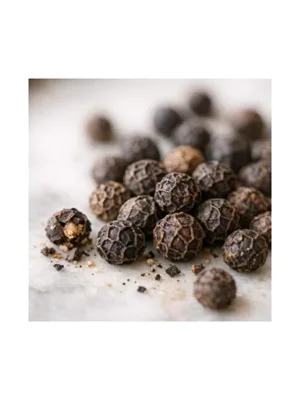 Pepper
4%
vs
4%
Opoponax
4%
vs
2%
Sandalwood
3%
vs
7%
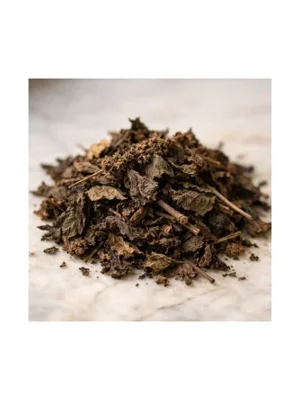 Patchouli
3%
vs
3%
Vanilla
3%
vs
2%
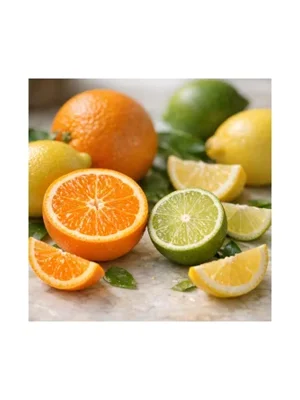 Citrus
3%
vs
2%
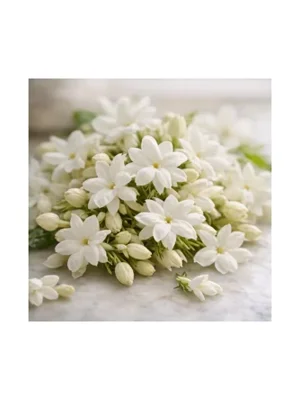 Jasmine
3%
vs
2%
Cedar
3%
vs
2%
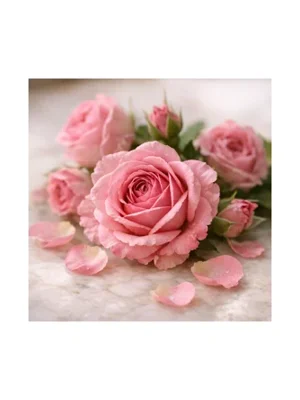 Rose
3%
vs
2%
Musk
2%
vs
2%
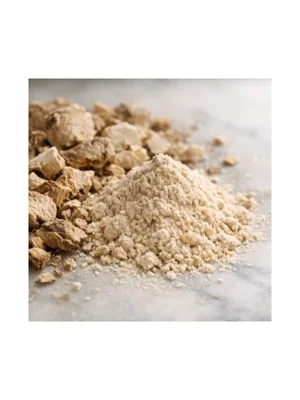 Iris
2%
vs
3%
Benzoin
2%
vs
2%
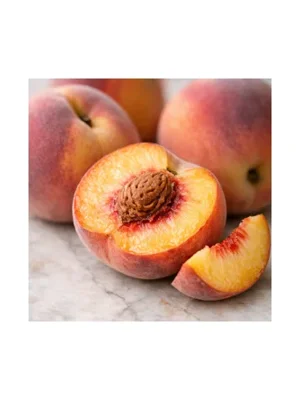 Peach
2%
vs
2%
Labdanum
2%
vs
2%
Tolu Balsam
2%
vs
3%
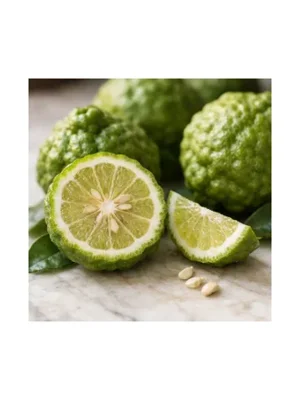 Bergamot
1%
vs
2%
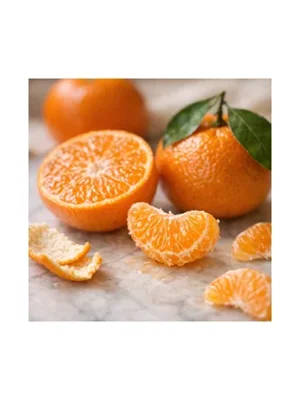 Mandarin
1%
vs
2%
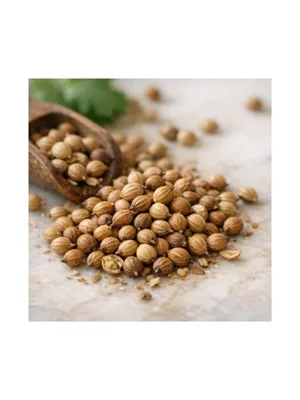 Coriander
1%
vs
3%
Vetiver
1%
vs
2%
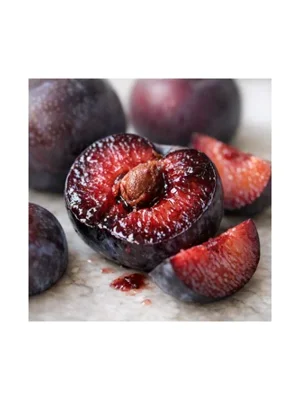 Plum
0%
vs
3%
Castoreum
0%
vs
2%
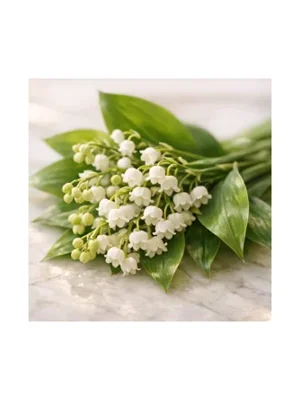 Lily of the Valley
0%
vs
2%
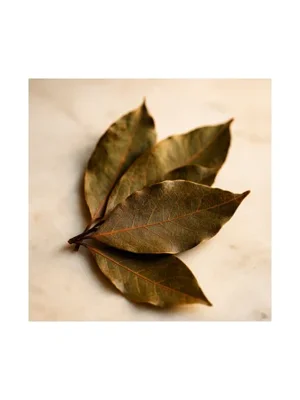 West Indian Bay
4% share of the perfume
Clove
8%
vs
4%
Pepper
4%
vs
4%
Citrus
3%
vs
2%
Jasmine
3%
vs
2%
Bergamot
1%
vs
2%
Mandarin
1%
vs
2%
Coriander
1%
vs
3%
Plum
0%
vs
3%
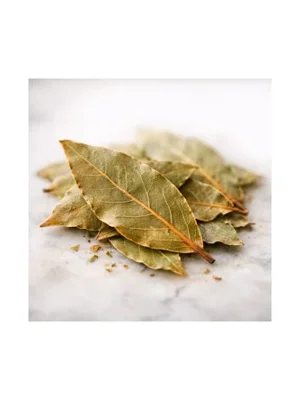 Bay Leaf
0% share of the perfume
West Indian Bay
4% share of the perfume
Cinnamon
7%
vs
4%
Carnation
4%
vs
4%
Sandalwood
3%
vs
3%
Patchouli
3%
vs
3%
Rose
3%
vs
2%
Iris
2%
vs
3%
Peach
2%
vs
2%
Lily of the Valley
0%
vs
2%
Incense
8%
vs
4%
Myrrh
7%
vs
4%
Amber
6%
vs
3%
Opoponax
4%
vs
2%
Vanilla
3%
vs
2%
Cedar
3%
vs
2%
Musk
2%
vs
2%
Benzoin
2%
vs
2%
Labdanum
2%
vs
2%
Tolu Balsam
2%
vs
3%
Vetiver
1%
vs
2%
Castoreum
0%
vs
2%
Coconut
0% share of the perfume
Sandalwood
4% share of the perfume
Note weights are our estimate from each note's place in the pyramid, not the share of the formula. Brands do not publish formulations.
Performance
Season and Occasion Fit
Seasons
Clove, cinnamon, incense and amber belong to autumn and winter, and heat makes it stifling.
Occasions
Powerful and spicy, it belongs to dates and formal evenings. It is far too much for the office and has no place near sport.
Seasons
Clove, cinnamon, incense, myrrh, amber and labdanum make a dense, resinous scent that belongs to the coldest months.
Occasions
Heavy incense, myrrh and spice feel ceremonial and rich, so it fits formal events and dates, not the office or sport.
Similarity Breakdown
Our estimate of how alike these two fragrances smell, calculated from their published notes. It is a position on our scale, not a measured percentage of shared smell.
Shares 28 of its 30 notes, including Citrus, Musk, Amber
Adds bay leaf and coconut, drops west indian bay
Where to buy
Pick a size. The two cheapest offers, then the rest.
ScentVerdict earns a commission from purchases - this doesn't affect our verdicts.