Apricot names no single substance
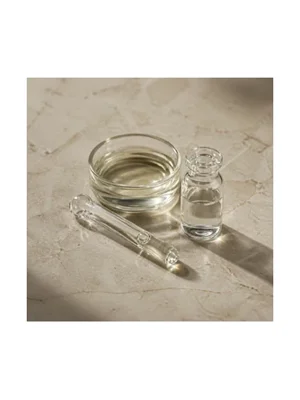
ReconstructedA lactone reconstruction. Deliberately NOT 'Apricot oil', which is the fixed kernel oil - a near-odourless carrier, and a name-match trap.
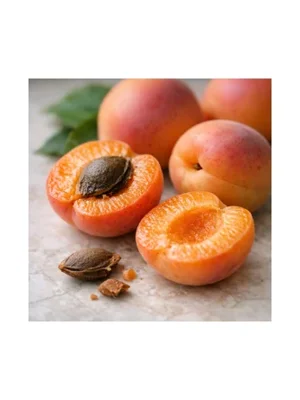
Note Profile
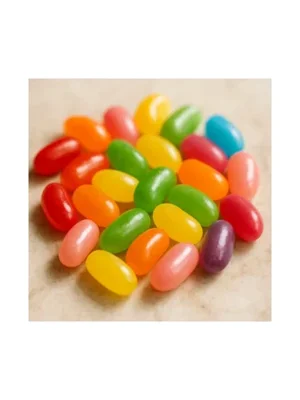
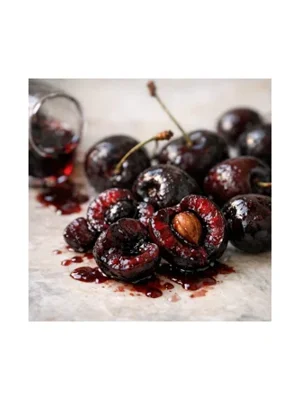
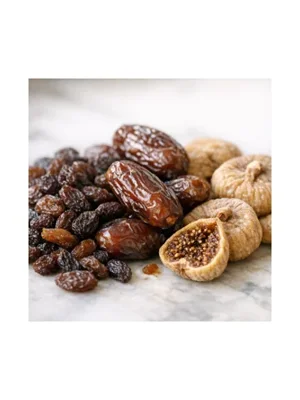
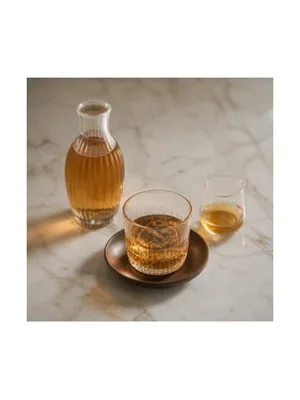
dried apricot, White apricot
Tangy stone fruit
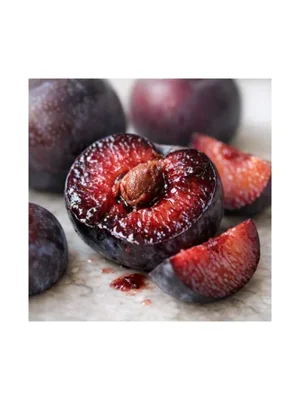
Apricot has a lush, tangy-sweet aroma with nuances of velvety fruit flesh, subtle tartness, and a hint of almond-like warmth from its stone. The scent is juicy and radiant, sometimes displaying faint floral or honeyed undertones. It evolves from a bright, fresh opening to a soft, creamy drydown.
Read off the wheel, not a label applied to the note.
A lactone reconstruction. Deliberately NOT 'Apricot oil', which is the fixed kernel oil - a near-odourless carrier, and a name-match trap.
Natural apricot notes are rarely extracted directly due to low yield; instead, perfumers use aroma chemicals such as gamma-undecalactone and natural isolates from apricot or peach, or create accords to evoke the fruit's character. Apricot trees (Prunus armeniaca) are cultivated in temperate regions worldwide.
Apricot is typically used as a heart or top note to impart a succulent, inviting fruitiness. It blends well with floral notes like jasmine and rose, as well as creamy, woody, or musky bases, and is common in both feminine and unisex fragrances for a soft, gourmand effect.
Perfumers known for using Apricot include
Olivier Cresp, Sophia Grojsman, François Demachy, Clément Gavarry, Yves de Chiris, and Marie Salamagne
A selection of reviewed perfumes where Apricot appears prominently.
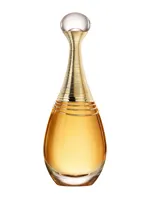
EDP · 2026
Dior
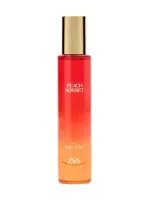
EDP · 2025
Zara
EDP · 2025
Perfume Parlour
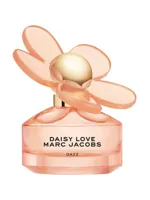
EDT · 2019
Marc Jacobs

EDP · 2025
Jean Paul Gaultier
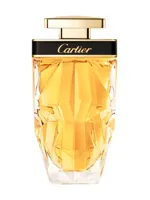
Parfum · 2020
Cartier

EDP
Perfume Parlour
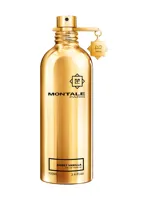
EDP · 2015
Montale
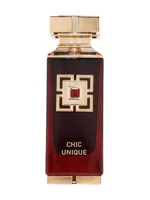
EDP · 2025
Fragrance World
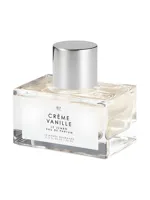
EDT · 2015
Le Monde Gourmand
New finds, honest verdicts, and price drops.
No spam. Unsubscribe anytime. See our privacy policy.