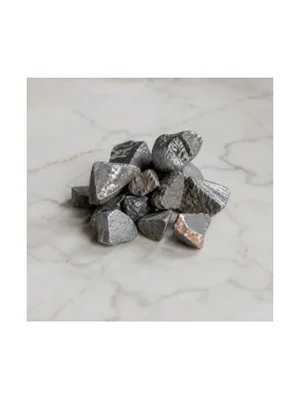
Heated Metal
Note Profile
About
Heated metal is the smell of a metal surface with heat in it. Four sources agree on the core, 'sharp, ferrous, slightly blood-like, with an ozonic edge', and on what heat adds that ambient metal has not got. Heating drives off new volatiles, ozone and acetylene, and pushes the character towards 'a more acrid, burnt aroma' and 'smoky iron'. The molecule doing the baseline metallic work is the same one behind cold metal on skin, 1-octen-3-one, which Wikipedia calls 'the main compound responsible for the smell of metal' and which smells 'metallic mushroom-like'. So this note is the published metal note plus a thermal, oxidative layer, not a different chemical family.
Scent Profile
Mineral is nearly the whole note and all four sources reach for it: 'mineral, sharp, unmistakably inorganic', 'ferrous', 'strange but typical metallic smell'. This is mineral doing metal, not mineral doing stone. Smoky is the facet that earns this note its separate row, and it is the only one heat supplies on its own. Three quoted lines carry it, 'the pungent smell of burning steel', 'smoky iron', and 'a more acrid, burnt aroma'. It sits at 0.50 rather than higher because all three come from one general-interest science page recorded at community reliability, and the trade source never uses the word burnt. Aquatic_ozonic has two independent legs, the trade source's 'ozonic edge' and the science page's mechanism, that heating 'releases volatile compounds, like ozone and acetylene'. Earthy is not decoration and it is the same number the published metal note carries. Three sources name the mushroom character of 1-octen-3-one, 'metallic mushroom-like', 'fungal-metallic even when highly diluted', 'musty metallic odor'. The fungal edge and the metallic edge are one molecule. Animalic is the blood, 'slightly blood-like' and 'faintly biological', held well under the published blood note's 0.55 because here it is a qualifier and there it is the subject. Clean_musk is zero on purpose, and this is the one deliberate absence in the vector. The published hot-iron note carries 0.30 there for its laundry steam and scorched starch, and the same publisher drops that language entirely from its heated metal entry. The spread on clean_musk carries the doubt.
ScentWheel
Read off the wheel, not a label applied to the note.
Origin
Not an extracted material. It is a reconstruction, built the way the published metal note is built, around 1-octen-3-one and iron-oxide-type materials that the brain reads as metal, with smoky and ozonic materials added for the heat. The reference images the trade source gives are physical, not perfumistic: a just-struck match on a cast-iron pan, a palm pressed to a sun-warmed iron railing. The Glindemann and Dietrich study behind the 1-octen-3-one identification sits behind a Wiley paywall and was read here through ScienceDaily's summary and the Wikipedia page, so treat that chemistry as secondary reporting of a primary result.
Usage in Perfumery
Attested 3 times on Fragrantica, in the 'Natural and synthetic, popular and weird' group, and absent from Parfumo. It is used as a top accent for shock and texture, in the same register as the published metal, hot-iron and flint notes. Different metals reportedly smell different when hot, copper sweeter, iron and steel more acrid, titanium 'like a combination of ozone and lemon'. That variation is real but it comes from one popular-science page, so it is recorded here and not scored into separate facets.
Similar Notes
Perfumes featuring Heated Metal
A selection of reviewed perfumes where Heated Metal appears prominently.
No perfumes featuring this note have been reviewed yet. Check back soon.