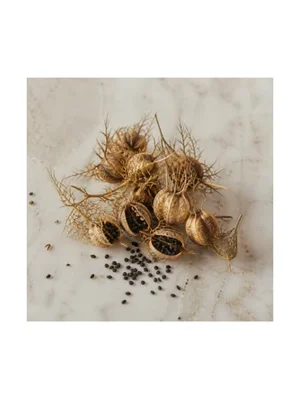
Nigella
Note Profile
About
Nigella is black cumin seed, Nigella sativa. It is not cumin and not a flower note. The smell is buttery and cheesy on top of an earthy, peppery, bitter base, with a smoky-balsamic edge.
Scent Profile
Lactonic leads, and it is buttery rather than creamy: acetoin, the single strongest aroma-active compound in the dilution study. Fresh_spice follows as black pepper. Animalic and sulphurous together carry the cheesy, sweaty short-chain acids, isobutanoic acid above all, which the trained panel ranked second. Earthy runs under the whole thing, bitter and pungent, which is how the trade seller opens their description. Warm_spice and smoky give the seed-spice edge that reads as medicinal. Amber_resinous is the balsamic facet the panel named. Citrus brightens the top and sour tracks the free acids. Smaller parts: a trace of green, a light clean_musk and fruity nod, and a faint honeyed sweetness.
ScentWheel
Read off the wheel, not a label applied to the note.
Origin
Nigella sativa, an annual of the Ranunculaceae grown across the Middle East, South Asia and the Mediterranean. The matte black seeds are pressed or steam-distilled. A published aroma extract dilution analysis of the seed extract found acetoin the strongest aroma-active compound at FD 1024, giving the buttery character, and isobutanoic acid next at FD 512, giving the cheesy one. Despite the common names black cumin and black caraway, the plant is unrelated to cumin or caraway, both of which are Apiaceae.
Usage in Perfumery
A pungent, savoury seed note. It gives fermented-dairy and peppery weight where a clean spice would be too polite, and it needs restraint because it is not subtle.
Similar Notes
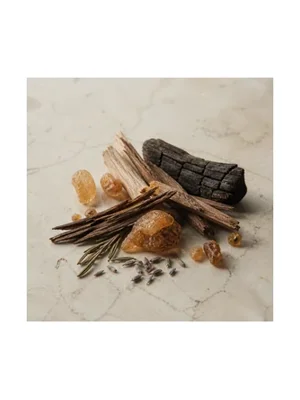
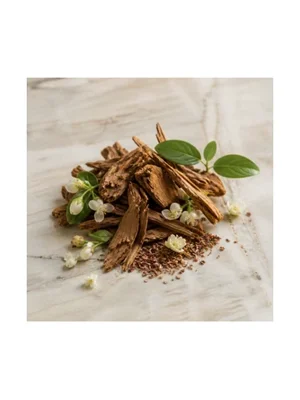
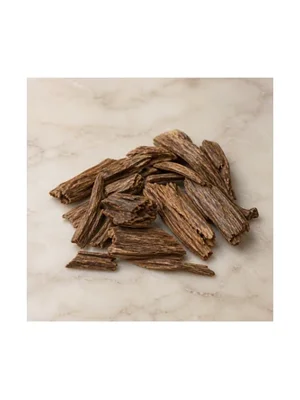
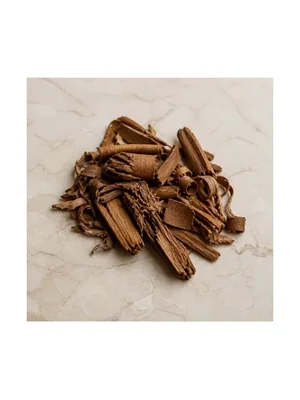
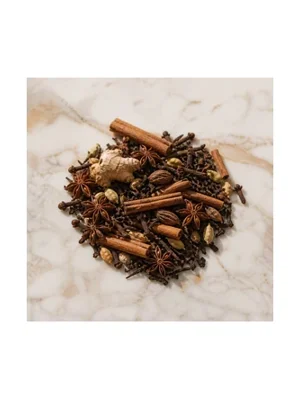
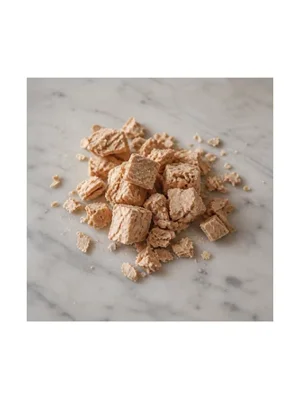
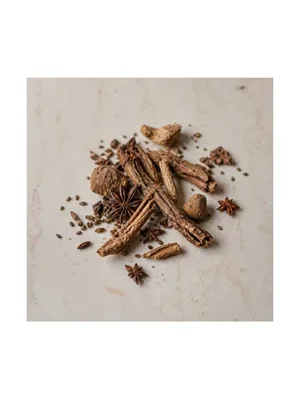
Perfumes featuring Nigella
A selection of reviewed perfumes where Nigella appears prominently.
No perfumes featuring this note have been reviewed yet. Check back soon.