
Fleur de Lait
EDP · 2023
Miu Miu
Favourite
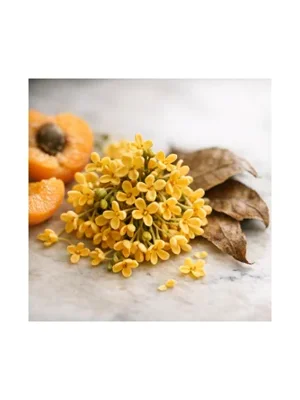
Note Profile
Chinese Osmanthus, Japanese Osmanthus, Osmanthus Absolute
Apricot, leathery floral
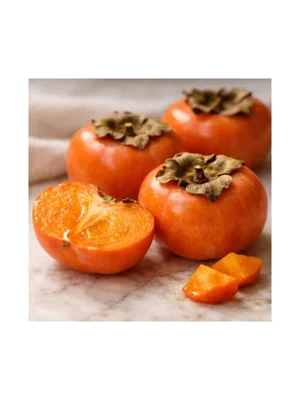
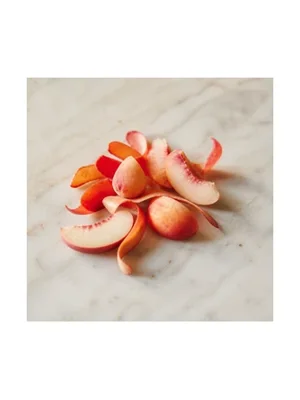
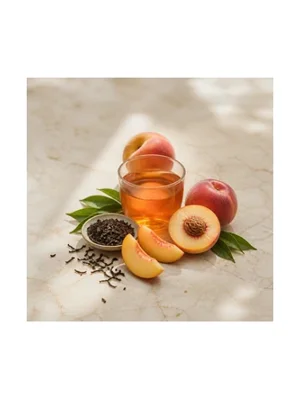
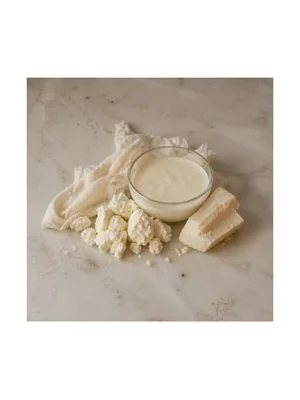
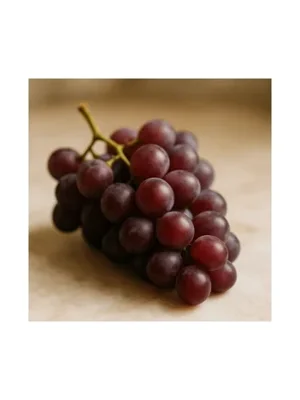
Osmanthus is the flower that smells more like fruit than petal: ripe apricot and peach over a creamy lactonic sweetness from the delta- and gamma-decalactones. A suede-leather dryness then takes over, with a violet-powdery shadow from the ionones and a honeyed thickness in the heart. Several people who smelled the absolute also report a fatty, almost cheesy edge, waxy rather than sweet. A dry oolong-tea astringency threads through the whole development.
Read off the wheel, not a label applied to the note.
Tap a perfume to see where Osmanthus sits in it. The rest of the picture goes grey
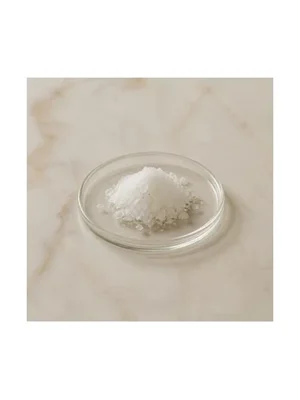
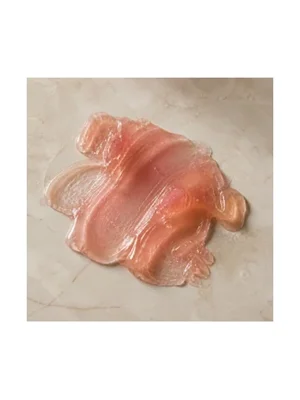
Perfumers can make Osmanthus from this natural extract.
Smell words come from published sources.
A given perfume with this note may use this material, or something else.
Osmanthus comes from the small, fragrant flowers of Osmanthus fragrans, a shrub native to East Asia, chiefly China. The flowers are picked by hand in September and October. The scent is taken by solvent extraction and then purified with alcohol to give an absolute. About 1,000 kg of flowers give 1 kg of absolute.
Perfumers use osmanthus in the heart of floral and fruity compositions, where it brings its apricot-leather character. It blends well with jasmine, rose, tea and woody notes. It adds depth, softness and a natural fruitiness.
Perfumers known for using Osmanthus include
Quentin Bisch, Jacques Cavallier-Belletrud, Dominique Ropion, Rodrigo Flores-Roux, Alberto Morillas, and Geza Schoen
A selection of reviewed perfumes where Osmanthus appears prominently.
EDP · 2023
Miu Miu

EDP · 2016
Hugo Boss

EDP · 2025
Guerlain

EDC · 2013
Jo Malone London

EDP · 2024
Lattafa

EDP · 2022
Hugo Boss
EDT · 2019
Marc Jacobs

EDP · 2026
Valentino

EDP
Blossom Perfumery

EDP · 2016
Serge Lutens
New finds, honest verdicts, and price drops.
No spam. Unsubscribe anytime. See our privacy policy.