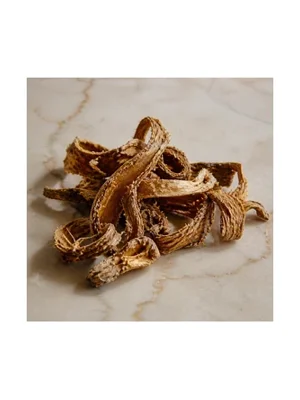
Silk Vine or Milk Broom
Note Profile
About
Silk vine is a weak sweet-vanillic gourmand with an almond edge, a dry mealy dustiness and a soft white-floral lift. The material a perfumer buys is the root oil, not the flower. That matters, because the flower of the living plant is reported as fecal and vegetal by people who have stood next to it, and the root oil is reported as vanilla and almond by the only trade source that describes it. This vector scores the root oil. A small animalic and sulphurous residue is carried because the two referents share one name and no source says which one a brand means when it prints it.
Scent Profile
Sweet_vanillic leads and is deliberately held below the level of a real vanilla note, because both descriptions agree the material is quiet: Firmenich calls it sweet and gourmand, and the one first-hand account calls it 'quite weak' twice over. Nutty is the almond that Firmenich names beside the vanilla, and it is the second thing both sources agree on. Powdery is the 'dry-dusty-mealy' half of the first-hand account, which is what stops this being simply a sweet material. White_floral is frangipani, named directly by Firmenich, and it is not higher because the first-hand smeller calls the floral aspect 'very subtle'. Green is 'some green, juicy-sweet' from the same account, and it also carries the only signal that Fragrantica's greens-and-herbs filing might be picking up something real. Below the line: lactonic is 'overall a bit creamy'; floral is the unpinned rose-jasmine-violet impression reported from inside Amouage Opus VI, held low because the reporter says he cannot separate it from the composition; fruity is 'juicy-sweet'; animalic and sulphurous are the living flower, reported as slightly fecal and as vegetable water left standing for days, and they are small rather than zero because the note name covers the plant as well as the oil; earthy is the root the oil comes from and no source states it, so it sits at trace.
ScentWheel
Read off the wheel, not a label applied to the note.
Origin
Periploca graeca and the closely related Periploca sepium are Apocynaceae climbing vines of the Mediterranean and of northern China, with milky sap that gives the English name Milk Broom. The perfumery material is distilled or extracted from the roots. Firmenich's own description of it, quoted second-hand on Basenotes, is 'sweet & gourmand with high proportion of isovanillin - notes vanilla, almond, frangipani'. Isovanillin is a vanillin isomer, which is what makes the material read as vanilla without being vanilla. One poster who smelled Periploca sepium root oil first-hand independently reports a weak, vanilla-dominated scent with green, juicy-sweet and very faint floral aspects, creamy but also dry, dusty and mealy. The same material is reported not to discolour a formula the way most vanillin-bearing naturals do.
Usage in Perfumery
7 Fragrantica perfumes, none on Parfumo and no Parfumo brands. Amouage Opus VI is the placement people discuss, and a smeller working from that bottle could not isolate the note from the bay, sandalwood, incense and amber around it. Fragrantica files the term under 'Greens, herbs and fougeres', which reads as a filing decision made from the word 'vine' rather than from the root oil, and this vector does not follow it.
Similar Notes
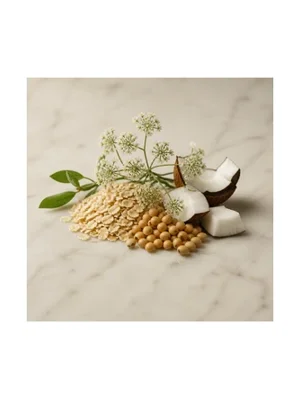
Perfumes featuring Silk Vine or Milk Broom
A selection of reviewed perfumes where Silk Vine or Milk Broom appears prominently.
No perfumes featuring this note have been reviewed yet. Check back soon.