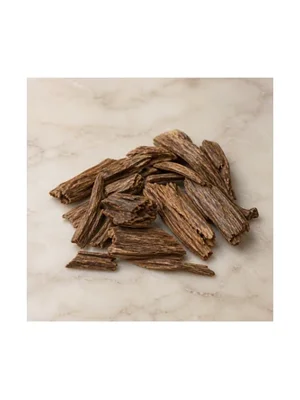
Tamboti Wood
Note Profile
About
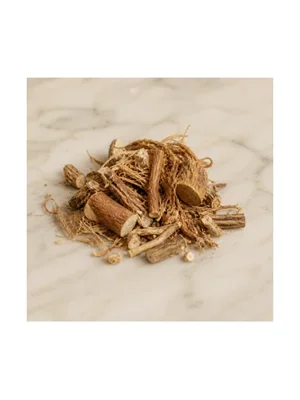
Tamboti is the heartwood of Spirostachys africana, a southern African tree. It smells sweet and spicy on a wood that every source compares to sandalwood. The wood keeps its scent for years after cutting. No perfumery oil is made from it because the wood and latex are toxic, so the note is built as an accord.
Scent Profile
Creamy_woody leads because all three sources reach for sandalwood to place the wood, and Premiere Peau's summary line is 'Sweet, spicy, richly woody. Sandalwood-like but with more spice.' Warm_spice is second and is the thing that separates it from sandalwood, named as spicy by all three sources and never given a fresh or peppery register. Sweet_vanillic carries the sweetness that appears in every source, including Wikipedia's independent phrase 'extremely fragrant sweet, spicy smell'. Amber_resinous is the 'resinous depth' and the 'warm, smooth, resinous wood' that Premiere Peau returns to three times. Dry_woody is the timber under all of it, held below creamy_woody because no source describes it as dry, sharp or pencil-like. Honeyed is one source's word only, 'a sweet, almost honeyed quality', so it is present but small. Below those, faint aromatic_herbal and fresh_spice lift, a trace of powder and of tobacco_hay warmth in the drydown. The whole vector is capped and widely spread because the descriptions are of cut timber and carved beads, not of a perfumery material anyone has smelled from a bottle.
ScentWheel
Read off the wheel, not a label applied to the note.
Origin
Spirostachys africana, family Euphorbiaceae, southern and eastern Africa. Also spelt tambotie and tambootie, and called the jumping bean tree. The scent belongs to the heartwood itself, and carvers in the region used it deliberately: tamboti beads warm against the skin and keep giving off scent for years. The latex and the wood carry irritant diterpene esters, so no essential oil or absolute is produced for perfumery. Every source that discusses fragrance use describes the note as a built accord, not an extract. There is no CAS number and no GC-MS sensory profile for it.
Usage in Perfumery
A base-note wood. Attested twice on Fragrantica and four times on Parfumo across three brands, so it is a rare signature rather than a workhorse. Fragrantica files it under Woods and mosses. It reads as an African sandalwood with the spice turned up, and is used where sandalwood would sit but more warmth and sweetness is wanted.
Similar Notes
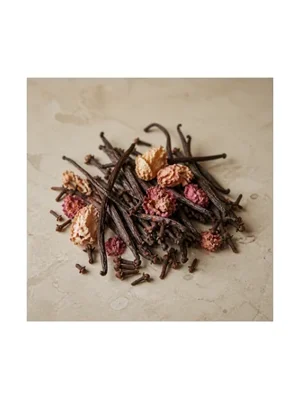
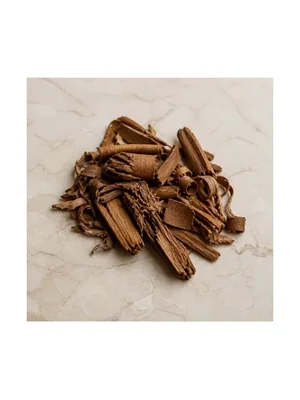
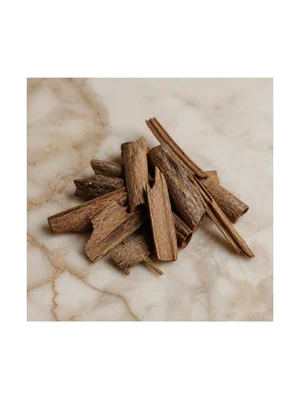
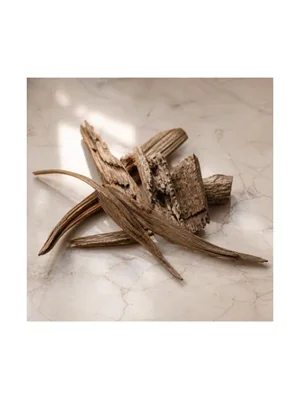
Perfumes featuring Tamboti Wood
A selection of reviewed perfumes where Tamboti Wood appears prominently.
No perfumes featuring this note have been reviewed yet. Check back soon.