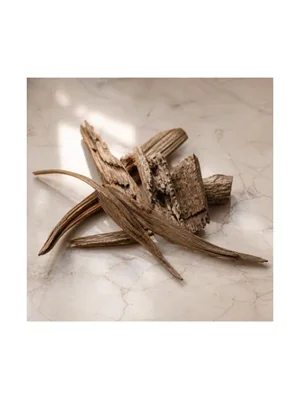
Chalood Bark
Note Profile
About
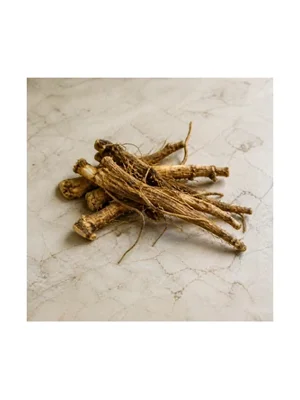
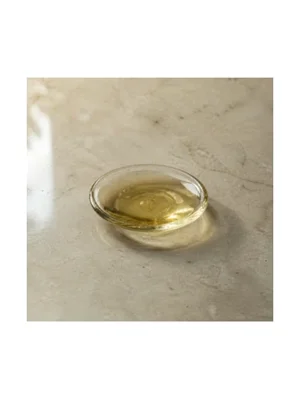
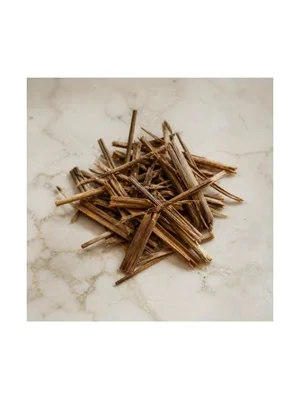
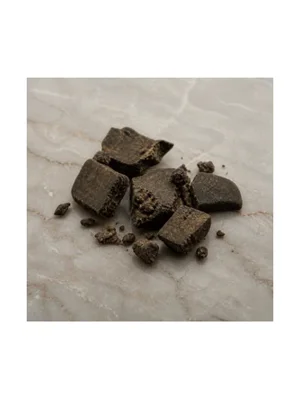
Chalood bark is a Southeast Asian aromatic bark sold as an absolute. It smells warm, balsamic and woody, with a sweet spice next to it and a coumarin softness underneath. Every source that describes it places it between sandalwood and cinnamon bark. It is not a standard Western perfumery material and has no CAS number, so this vector is held loosely.
Scent Profile
Amber_resinous leads. Premiere Peau opens with 'warm, balsamic, slightly sweet wood' and returns to 'balsamic resin' in its drydown line, and the other two sources reach the same warmth from a different word, 'grounding'. Dry_woody sits level with it because all three sources put wood in the first clause: 'woody character', 'woody depth', 'warm wood'. Warm_spice is the third element every source names, and Premiere Peau fixes its register by placing the bark next to cinnamon bark rather than to pepper or ginger. Sweet_vanillic carries the sweetness all three sources state directly - 'slightly sweet wood', 'warm, sweet, and woody', 'an inviting sweetness'. Tobacco_hay is the coumarin. Two sources name it in almost the same words, so it is scored once rather than twice. Aromatic_herbal comes from the 'herbal-medicinal' and 'dried herbs' claims, which only Premiere Peau makes but makes three times. Below, creamy_woody sits and green. Creamy_woody is deliberately low: the sandalwood comparison is made on the warm-balsamic axis, and no source claims the milky sandalwood creaminess itself, so it is not scored as though one had. Green is the 'green-herbal edge' Premiere Peau names once.
ScentWheel
Read off the wheel, not a label applied to the note.
Origin
All three trade sources name Alyxia reinwardtii, an Apocynaceae bark used in Thai and Lao traditional medicine and incense. That identification comes from trade naming, not from a taxonomic authority. Premiere Peau states plainly that the botanical identity of 'chalood' (also spelled chaloot) is unsettled, and that the same Thai name covers species of Micromelum as well as Alyxia. Producing countries given are Laos, Myanmar and Thailand. No GC-MS profile of the bark was found and there is no perfumery CAS number for it.
Usage in Perfumery
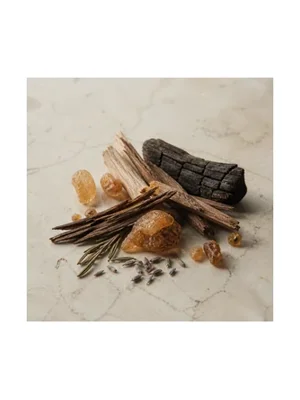
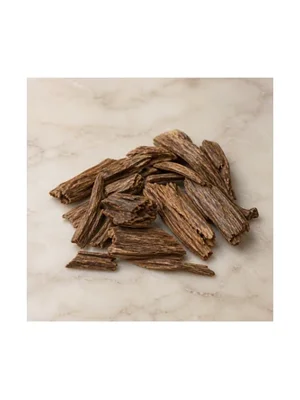
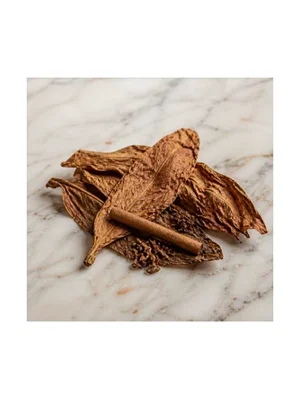
A base-note woody-balsamic absolute. Aromology says it pairs with oud, woods, resins, florals and amber, lending depth and a tropical character. Attested on 10 Fragrantica entries and absent from Parfumo, which fits a material outside the mainstream Western supply chain. Fragrantica files it under Woods and mosses.
Similar Notes
Perfumes featuring Chalood Bark
A selection of reviewed perfumes where Chalood Bark appears prominently.
No perfumes featuring this note have been reviewed yet. Check back soon.