Wallflower names no single substance
ReconstructedErysimum is not extracted commercially.
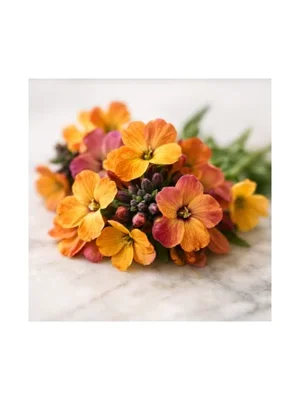
Note Profile
Wallflower has a soft, powdery floral scent with sweet and slightly spicy undertones. Its fragrance is reminiscent of old-fashioned gardens, blending violet-like nuances with a warm, gentle character. It brings a delicate, nostalgic floral quality to perfume compositions.
Wallflower is spiced honey on warm stone, not the powdery garden flower its name suggests. Thymol and carvacrol lead, a dry thyme-oregano bite over sun-baked clove warmth, and a sulphurous flash from dimethyl trisulfide opens the living bloom before it fades into honeyed warmth. The floralcy is faint and never conventional. Underneath sits a waxy, dry texture that recalls dried herbs stored in a wooden box.
Read off the wheel, not a label applied to the note.
Erysimum is not extracted commercially.
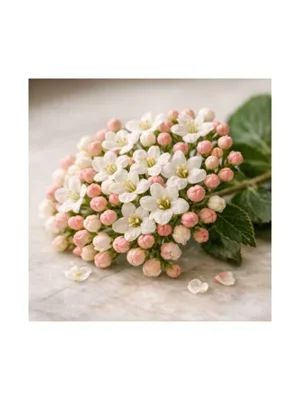
Wallflower is derived from the flowers of Erysimum cheiri, a plant native to southern Europe. The scent is typically captured through solvent extraction or enfleurage, as the flowers yield little essential oil by traditional distillation. Natural wallflower absolute is rare and often replaced by synthetic recreations in modern perfumery.
Perfumers use wallflower primarily as a heart note to impart a vintage floral softness and powdery nuance. It blends well with violet, rose, heliotrope, and soft woods, enhancing both floral bouquets and nostalgic accords. Its gentle profile makes it suitable for feminine and classic fragrance structures.
Perfumers known for using Wallflower include
Jean-Louis Sieuzac, Nejla Barbir, and Dominique Ropion
A selection of reviewed perfumes where Wallflower appears prominently.
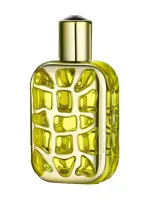
EDP · 2014
Fendi
EDP · 2014
Perfume Parlour
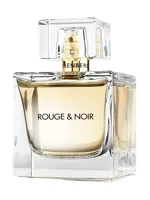
EDP · 2011
Eisenberg
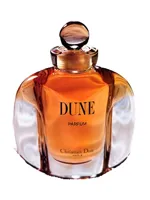
Parfum · 1991
Dior
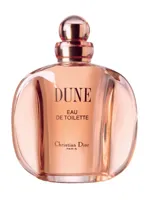
EDT · 1991
Dior
EDP
Perfume Parlour
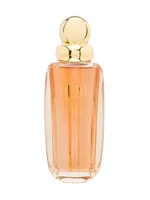
Parfum · 1994
Dior
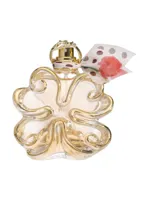
EDP · 2009
Lolita Lempicka
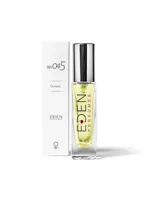
EDP
Eden Perfumes
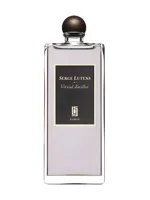
EDP · 2011
Serge Lutens
New finds, honest verdicts, and price drops.
No spam. Unsubscribe anytime. See our privacy policy.