White Willow
Note Profile
About
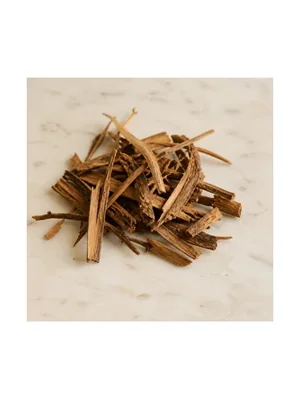
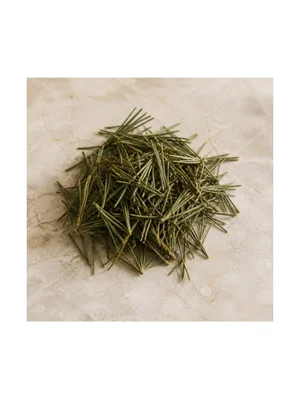
White willow is the bark note, not the tree. Both sources tie the smell to the bark and both use the word medicinal, which points at salicin, the aspirin precursor the tree is known for. The shape is a dry, bitter, earthy-woody bark with a clean green edge and a thin riverside freshness over it. It is quiet. No source calls it loud or dominant, and one supplier says the raw plant has no smell at all until it is macerated.
Scent Profile
Earthy and dry_woody are the bark, described as earthy, astringent and slightly medicinal, with the bitterness coming from the salicin stored beneath the outer layer. They are split rather than merged because the source pairs a soil-like earthiness with a dry, sapless wood and neither one carries the note alone. Green is called a clean green quality, like snapped vegetation or the air after spring rain, and the maceration supplier independently uses the word green. Aquatic_ozonic is the riverside freshness, attributed to habitat rather than to a compound, which is thin reasoning and is why the spread on it. Aromatic_herbal carries the medicinal word both sources use. It is placed here rather than in cooling_mentholic because willow bark is bitter and astringent, not minty, though a trace of cooling_mentholic is held in case the salicylate reading is right. Below the naming line: fresh_spice for the one unqualified spicy in the maceration description, clean_musk for a subtle musky depth said to anchor the lighter notes, honeyed for the catkins, and sweet_vanillic for the sweet in that same maceration phrase. The honeyed catkin claim is the weakest thing here. It comes from one community source, describes a different organ from the bark the perfumery note uses, and may not belong in this vector at all.
ScentWheel
Read off the wheel, not a label applied to the note.
Origin
Salix alba, Salicaceae, the white willow, a riverside tree of Europe and western Asia. The odour lives in the bark, where salicin sits just under the outer layer and gives the bitter, astringent, medicinal character. Willow bark yields almost no steam-distilled essential oil, so commercial willow products are macerations and extracts rather than true oils. One of those suppliers, Aytz Chayim, states the willow has no aroma raw and only develops a medicinal, spicy, green, sweet character once infused into oil, which would make the perfumery note a product of the processing rather than the smell of the living tree. No second commercial source was found to confirm or contradict that. No major fragrance house publishes an olfactive description for white willow, and the Wikipedia article on Salix alba has no olfactory content.
Usage in Perfumery
15 Fragrantica placements and nothing on Parfumo. Fragrantica files it under Woods and mosses. Nothing was found describing how it is dosed or what it is built from, so the usage claim here is the placement count and the category, not a formula. The low counts and the absent supplier coverage fit a note used as a naming conceit for riverside or willow-themed compositions more than as a working material.
Similar Notes
Perfumes featuring White Willow
A selection of reviewed perfumes where White Willow appears prominently.
No perfumes featuring this note have been reviewed yet. Check back soon.