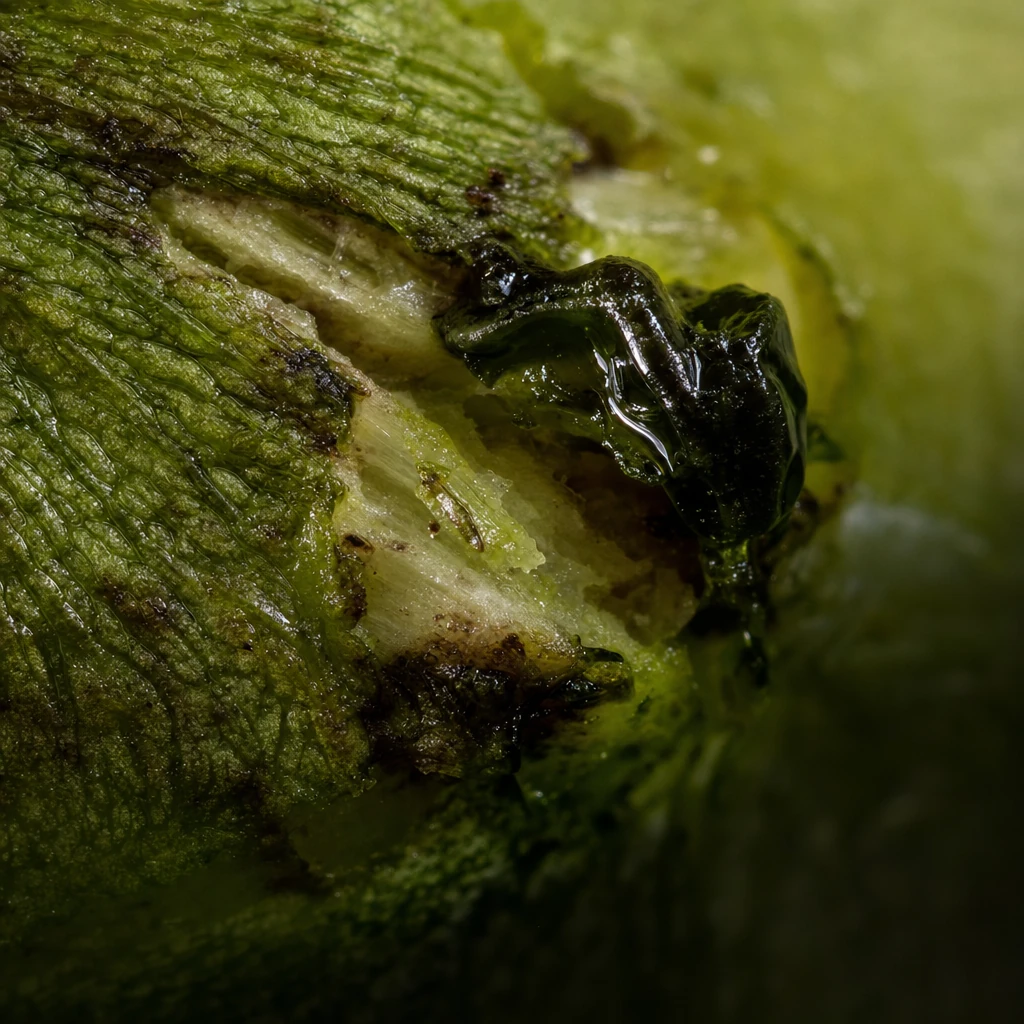
What it smells like
Galbanum, violet leaf, tomato leaf, cut grass. This is the smell of a plant that has just been damaged. It is bitter, watery and slightly sour, and at full strength it can be almost painfully sharp.
Where it stops
Green is vegetal and wet. Aromatic is herbal and dry. A snapped stem is green. A dried herb is aromatic.
Smells most like
grass - and in the same register, tomato leaf, chlorophyll.
Notes that load on it
Notes from our catalogue whose position on this facet is 0.40 or higher, strongest first. A note is not filed under one facet: it carries a value on all 34 at once, and these are the ones where this axis is doing real work.
-
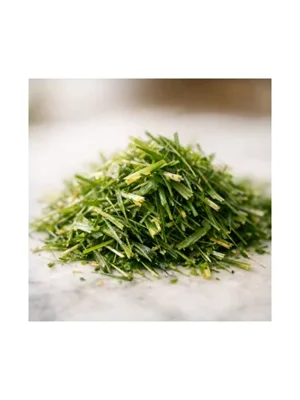 Grass
Top · ~3h
Botanical
161
Grass
Top · ~3h
Botanical
161
-
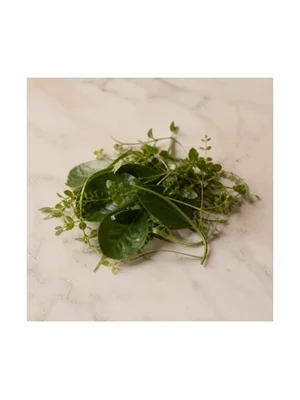 Chlorophyll
Mineral
Top · ~1h
Botanical
Chlorophyll
Mineral
Top · ~1h
Botanical
-
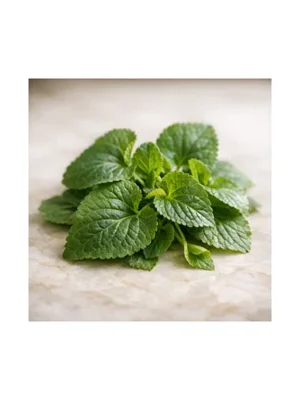 Violet Leaf
Mineral
Waxy-Fatty
Aquatic
Heart · ~8h
Botanical
987
Violet Leaf
Mineral
Waxy-Fatty
Aquatic
Heart · ~8h
Botanical
987
-
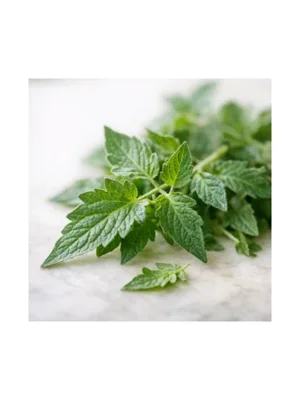 Tomato Leaf
Sulphurous
Heart · ~3h
Botanical
62
Tomato Leaf
Sulphurous
Heart · ~3h
Botanical
62
-
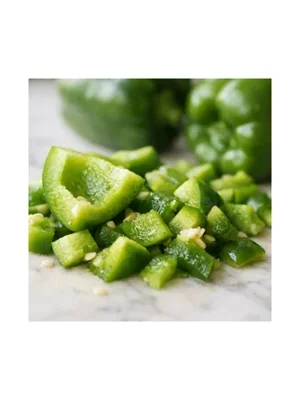 Green Pepper
Mineral
Top · ~1h
Botanical
22
Green Pepper
Mineral
Top · ~1h
Botanical
22
-
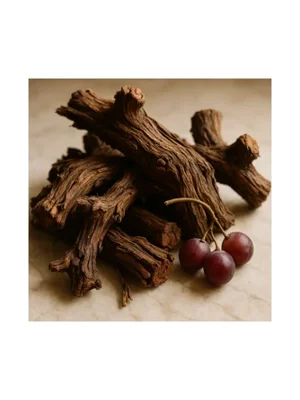 Grapevine
Sour
Heart · ~5h
Botanical
2
Grapevine
Sour
Heart · ~5h
Botanical
2
-
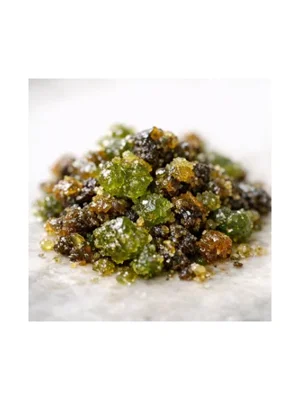 Galbanum
Heart · ~6h
Botanical
634
Galbanum
Heart · ~6h
Botanical
634
-
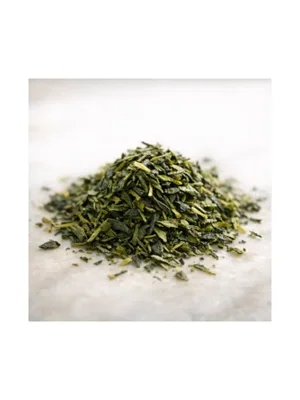 Green Tea
Heart · ~8h
Prepared
69
Green Tea
Heart · ~8h
Prepared
69
-
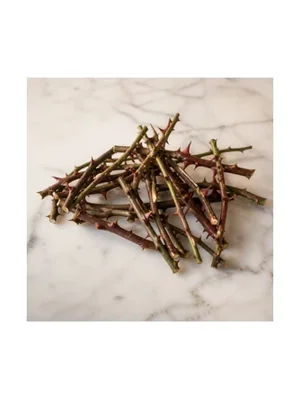 Rose Thorn
Mineral
Heart · ~5h
Botanical
Rose Thorn
Mineral
Heart · ~5h
Botanical
-
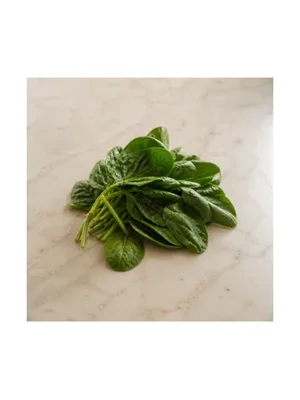 Spinach
Mineral
Top · ~2h
Botanical
Spinach
Mineral
Top · ~2h
Botanical
-
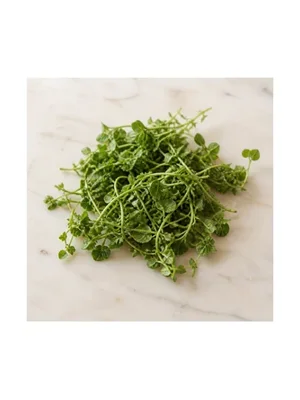 Watercress
Sulphurous
Fresh Spice
Top · ~2h
Botanical
Watercress
Sulphurous
Fresh Spice
Top · ~2h
Botanical
-
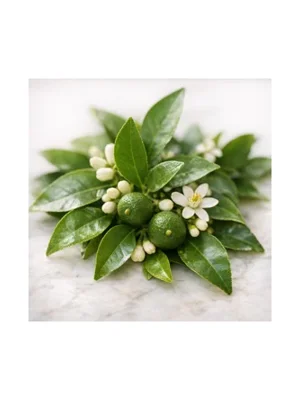 Petitgrain
Aromatic
Dry Wood
Top · ~3h
Botanical
824
Petitgrain
Aromatic
Dry Wood
Top · ~3h
Botanical
824
-
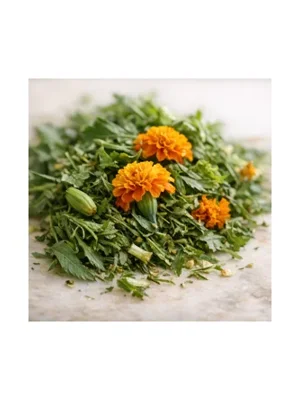 Marigold
Aromatic
Fruity
Heart · ~6h
Botanical
205
Marigold
Aromatic
Fruity
Heart · ~6h
Botanical
205
-
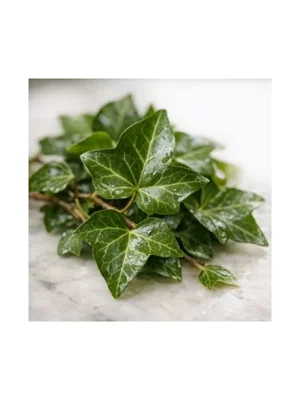 Ivy
Mineral
Heart · ~3h
Botanical
87
Ivy
Mineral
Heart · ~3h
Botanical
87
-
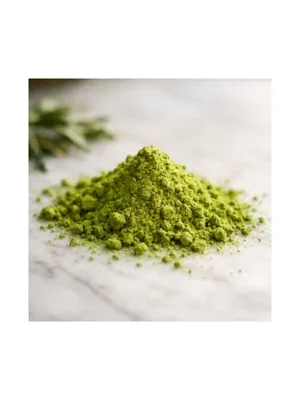 Matcha
Powdery
Lactonic
Heart · ~8h
Botanical
62
Matcha
Powdery
Lactonic
Heart · ~8h
Botanical
62
-
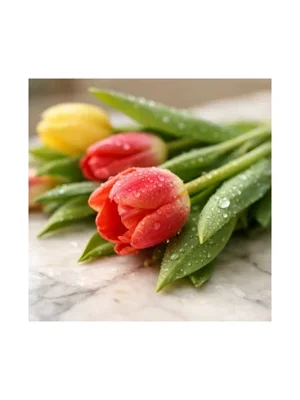 Tulip
Waxy-Fatty
Floral
Heart · ~3h
Botanical
45
Tulip
Waxy-Fatty
Floral
Heart · ~3h
Botanical
45
-
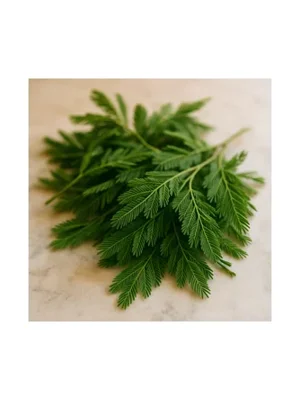 Mimosa Leaves
Aquatic
Heart · ~8h
Botanical
1
Mimosa Leaves
Aquatic
Heart · ~8h
Botanical
1
-
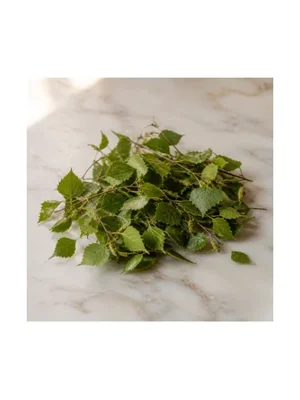 Birch Leaf
Aromatic
Heart · ~4h
Botanical
Birch Leaf
Aromatic
Heart · ~4h
Botanical
-
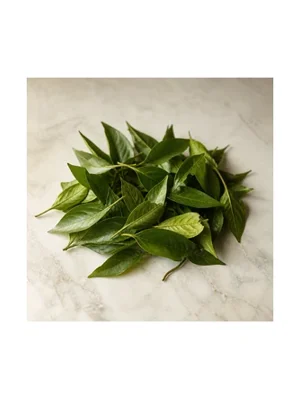 Chili Leaf
Top · ~2h
Botanical
Chili Leaf
Top · ~2h
Botanical
-
 Forest Foliage
Heart · ~5h
Abstract
Forest Foliage
Heart · ~5h
Abstract
Materials that carry it
Real substances, each keyed by its CAS registry number, that an external perfumery vocabulary publishes with a term meaning this facet outright. This is the layer that makes a facet checkable against something outside our own database.
| Material | CAS | Terms | Status |
|---|---|---|---|
| 3,5,5-trimethylhexan-1-ol | CAS 3452-97-9 | grassy, green, leafy, weedy | |
| hexanal | CAS 66-25-1 | grassy, green, leafy | |
| cis-3-hexenal | CAS 6789-80-6 | grassy, green, weedy | |
| trans-2-octenal | CAS 2548-87-0 | cucumber, green, leafy | |
| methyl 2-octynoate | CAS 111-12-6 | cucumber, green, leafy | Declarable IFRA |
| 2,6-dimethyloctanal | CAS 7779-07-9 | grassy, green, weedy | |
| 6-isopropylquinoline | CAS 135-79-5 | green, leafy, weedy | |
| 3,5,5-trimethylhexanal | CAS 5435-64-3 | grassy, green, weedy | |
| 5-methylheptan-3-one oxime | CAS 22457-23-4 | green, leafy, weedy | |
| [(E)-oct-5-enyl] propanoate | CAS 196109-18-9 | cucumber, green, leafy | |
| trans,cis-2,6-nonadien-1-ol | CAS 28069-72-9 | cucumber, green, leafy | |
| 1-(2-isopropylpyridin-3-yl)ethanone | CAS 142896-09-1 | grassy, green, leafy | |
| nerone | CAS 31375-17-4 | green, leafy | |
| hexenal | CAS 505-57-7 | green, leafy | IFRA |
| nonanal | CAS 124-19-6 | cucumber, green | |
| heptenone | CAS 1119-44-4 | grassy, green | |
| vertosine | CAS 68738-99-8 | green, leafy | |
| isopulegol | CAS 7786-67-6 | grassy, green | |
| nerol oxide | CAS 1786-08-9 | green, weedy | |
| nonanonoxim | CAS 52435-37-7 | cucumber, green | |
| theaspirane | CAS 36431-72-8 | green, leafy | |
| undecatriene | CAS 16356-11-9 | cucumber, green | |
| ethyl acetate | CAS 141-78-6 | green, weedy | |
| heptenoic acid | CAS 18999-28-5 | grassy, green | |
| heptyl formate | CAS 112-23-2 | cucumber, green | |
| neryl butyrate | CAS 999-40-6 | green, leafy | |
| perillaldehyde | CAS 2111-75-3 | grassy, green | IFRA |
| tiglyl tiglate | CAS 72845-40-0 | green, leafy | |
| dibutyl sulfide | CAS 544-40-1 | grassy, green | |
| hexyl hexanoate | CAS 6378-65-0 | grassy, green |
Showing 30 of 1,106. The full set ships with the published standard rather than being paginated here.
Reading the two flags
Declarable means the substance appears in Annex III of the EU Cosmetics Regulation, so it has to be named on the ingredient list once it passes a concentration threshold. IFRA means an IFRA Standard restricts or prohibits its use. Both are facts about the substance, not about any fragrance: a perfume can contain a declarable material below the threshold and never print it, and a restricted material used within its limit is used correctly.
The source also supplies no common name for a large share of materials, so those display as a bare registry number and are ranked last. They are kept because they are real evidence: dropping them would make the vocabulary look better described than it is.
Anchor terms
A facet on its own is just a word we chose. An anchor is what makes it checkable: a term in an external, independently maintained vocabulary of odour descriptions, built for perfumery materials rather than for us. The material list above is drawn from the direct terms only, because a partial term corroborates too weakly to stand as evidence on its own.
Direct
Terms that mean this facet outright
- cucumber
- grassy
- green
- herbal, green,cutgrass
- leafy
- weedy
Partial
Terms that lean this way but also load elsewhere
- tea
- violet leaf
The rest of Green & Aromatic
The other facets in this family. A note can load on any of them at the same time as this one, so they are neighbours rather than alternatives.