




























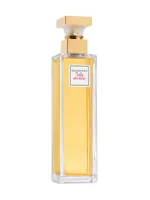
5th Avenue
EDP
Elizabeth Arden
Favourite

American heritage cosmetics house offering approachable, mostly floral-fresh fragrances at accessible prices.
Elizabeth Arden traces its origins to 1910, when Canadian-born entrepreneur Florence Nightingale Graham opened the original Red Door salon on Fifth Avenue in New York City. She soon adopted the professional name Elizabeth Arden and built a global business around salons, skincare and color cosmetics. Arden played a visible role in early 20th century beauty culture, supplying red lipstick to suffragettes and helping to normalize the use of makeup in mainstream society.
Fragrance became a key pillar of the company with the release of Blue Grass in the 1930s, followed decades later by widely distributed scents such as Red Door (1989), Sunflowers (1993), 5th Avenue (1996) and Green Tea (1999). These launches established Elizabeth Arden as a major player in accessible prestige perfume, especially in North America and Europe. The company has also managed fragrance licenses for other names including Elizabeth Taylor, Britney Spears, Halston and Mariah Carey.
Ownership of the brand has changed several times: Eli Lilly acquired the company in 1971, followed by Fabergé in 1987, Unilever in 1989 and FFI Fragrances in 2000, which later became Elizabeth Arden Inc. In 2016, the business became a wholly owned subsidiary of Revlon, Inc. Today the Elizabeth Arden name covers skincare, makeup and a large fragrance portfolio that spans classic department-store staples and mass-distributed celebrity lines.
Within perfume circles, Elizabeth Arden is known less for avant-garde compositions and more for wearable, often gently floral or citrus-forward scents sold at relatively approachable prices. The brand is especially associated with daily-use fragrances like Green Tea and 5th Avenue that prioritize ease of wear, lightness and broad appeal over niche experimentation.
A designer, mid house known for floral compositions.
The brand started with a strong salon and skincare identity, with fragrance as a later extension anchored by Blue Grass and, much later, Red Door. From the 1990s onward, Elizabeth Arden leaned into accessible designer-style perfumes such as Sunflowers, 5th Avenue and Green Tea that became widely available in department and drug stores. Over the 2000s and 2010s, the company expanded heavily into licensed celebrity and fashion fragrances while still maintaining its core pillars. Today, it operates as a mid-priced, heritage designer label under Revlon, focusing on flankers and crowd-pleasing fresh florals rather than experimental launches.
Elizabeth Arden is a pragmatic choice: solid, wearable, often inexpensive fragrances that rarely offend but rarely astonish. Ideal if you want easy daily scents and good value, less compelling if you prioritize originality or luxury detail.
Favourite - easy to wear anywhere · Statement - bold & distinctive · Acquired - bold, for fewer occasions
EDP
Elizabeth Arden
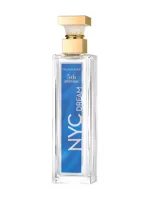
EDP
Elizabeth Arden
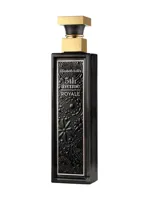
EDP
Elizabeth Arden
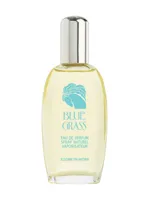
EDP
Elizabeth Arden
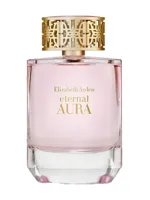
EDT
Elizabeth Arden
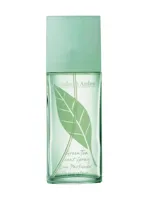
EDT
Elizabeth Arden
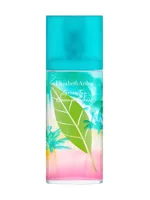
EDT
Elizabeth Arden
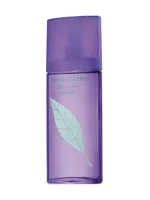
EDT
Elizabeth Arden
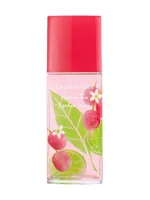
EDT
Elizabeth Arden
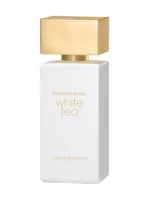
EDP
Elizabeth Arden
New finds, honest verdicts, and price drops.
No spam. Unsubscribe anytime. See our privacy policy.