






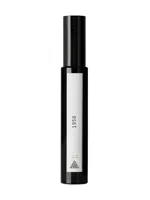
1950 Limited Edition Blends
EDP
Experimental Perfume Club
Favourite
Customisable modern fragrance house focused on perfume education and layering.
Experimental Perfume Club was founded in 2016 by French perfumer Emmanuelle Moeglin as a London-based fragrance concept built around education, personalization, and hands-on scent creation. Moeglin says she started the brand in London because the city was more open to new concepts, and EPC first grew through workshops before expanding into blendable perfumes and retail products.
The brand is known for its customisable approach: customers can learn about raw materials, build their own formulas, and combine pre-blended scents rather than just buying finished perfumes. EPC opened a flagship boutique in Covent Garden and built visibility through early retail partnerships with Liberty, Selfridges, and Harvey Nichols. It also operates as a self-funded, independent business with UK and France entities supporting production, logistics, and partnerships.
EPC's offer sits between niche perfumery and fragrance education. Its identity is less about a fixed house style than about modular, wearable compositions that can be used alone or layered. The brand has positioned itself as a modern, experimental perfume studio that makes the creative side of perfumery accessible without losing a luxury feel.
We report other people's certifications, never our own. Every claim links to its source.


Part-range claims show here only, not on perfume pages - we cannot say which bottles they cover. How we record certifications
An indie, luxury house known for floral compositions.
EPC began as workshops and a learning platform, then moved into blendable perfume products and a fuller retail offer. Over time it shifted from being mainly a perfume education concept to a broader luxury fragrance business with its own boutique and international fulfilment. The core idea has stayed the same: make perfumery hands-on and personal rather than purely transactional.
Strong if you want fragrance as a creative hobby, not just a product. If you want instantly recognisable designer crowd-pleasers, EPC is probably too conceptual.
Favourite - easy to wear anywhere · Statement - bold & distinctive · Acquired - bold, for fewer occasions
EDP
Experimental Perfume Club
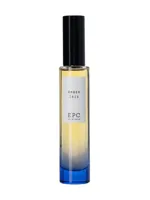
EDP
Experimental Perfume Club
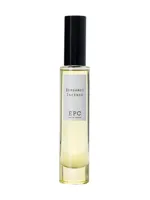
EDP
Experimental Perfume Club
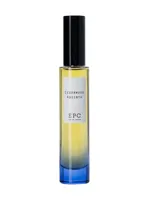
EDP
Experimental Perfume Club
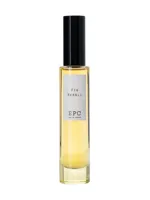
EDP
Experimental Perfume Club
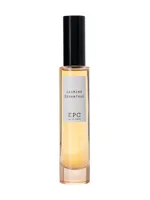
EDP
Experimental Perfume Club
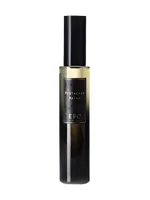
EDP
Experimental Perfume Club
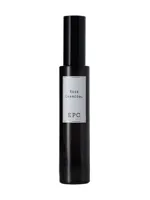
EDP
Experimental Perfume Club
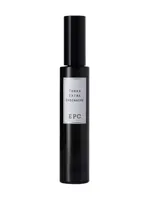
EDP
Experimental Perfume Club
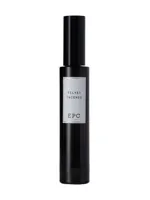
EDP
Experimental Perfume Club
New finds, honest verdicts, and price drops.
No spam. Unsubscribe anytime. See our privacy policy.