














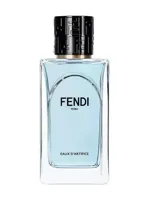
Eaux d'Artifice
EDT
Fendi
Favourite

Italian designer house with leather rooted, often bold scents tied to its Roman fashion heritage.
Fendi is an Italian luxury fashion house that began as a fur and leather workshop in Rome. In 1925, Adele Casagrande and her husband Edoardo Fendi opened a fur and leather shop on Via del Plebiscito, which is widely regarded as the formal founding of the Fendi brand. The business expanded in the 1930s, including a boutique on Via Piave that became popular with visitors to Rome, and over time the company grew around the craftsmanship of fur and leather goods.
The founders’ daughters joined the company in the mid 20th century and helped shape its direction alongside designers such as Karl Lagerfeld, who created the double F logo introduced in 1966. Fendi later developed fragrances under license, with notable launches including Fendi for Women in 1985 and other flankers and lines over the following decades, often positioned in the designer/luxury segment. The brand’s fragrance offerings have at times been discontinued and then reintroduced in new forms, reflecting shifts in licensing and creative direction.
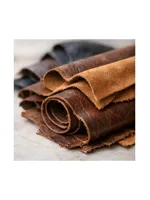
According to its corporate history, Fendi has been part of the Fashion & Leather Goods division of the French group LVMH since 2001, and its headquarters are located in the Palazzo della Civiltà Italiana in Rome. Recent fragrance collections explicitly reference the house’s Roman roots, family story, and leather heritage, with compositions that draw on notes such as leather, amber, and resins to echo the original workshop environment.
While not every scent in the catalog has remained in continuous production, the brand’s perfumes are generally framed as extensions of its core identity in leather, fur, and Roman luxury, rather than as a separate standalone perfume universe. This means Fendi fragrances often follow the broader fashion narrative: Roman landmarks, family memories, and archival materials frequently inspire names, storytelling, and olfactory themes.
A designer, luxury house known for woody compositions.
Early Fendi fragrances from the 1980s and 1990s fit the era’s bolder designer style, with rich leathers, florals, and orientals that wore with presence. Over time, as mainstream tastes shifted, the brand moved through different license holders and adjusted its launches, sometimes embracing more modern fruity florals or cleaner woods, and at other times pausing and relaunching the line. The recent high end collections inspired by the Fendi family story and Rome signal a pivot toward more narrative, boutique style releases aimed at luxury fragrance consumers rather than simple department store blockbusters.
Fendi is best approached as a fashion derived perfume house whose identity is tightly bound to leather, amber, and Roman storytelling rather than sheer versatility. When it hits, it offers characterful scents, but availability and discontinuations mean it is more of a connoisseur’s side interest than a core daily driver brand.
Favourite - easy to wear anywhere · Statement - bold & distinctive · Acquired - bold, for fewer occasions
EDT
Fendi
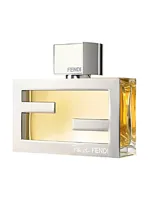
EDT
Fendi
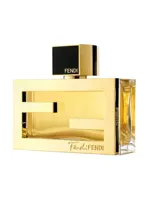
EDP
Fendi
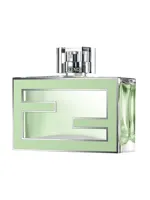
EDT
Fendi
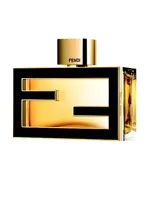
EDP
Fendi
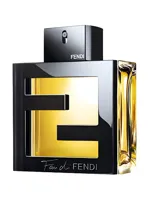
EDT
Fendi
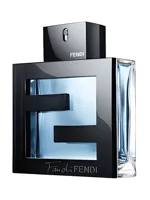
EDT
Fendi
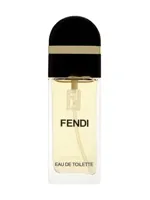
EDP
Fendi
EDP
Fendi
EDP
Fendi
New finds, honest verdicts, and price drops.
No spam. Unsubscribe anytime. See our privacy policy.