


1000
EDT
Jean Patou
Acquired
Historic French couture house best known for ultra-luxury florals like Joy and refined, classically constructed perfumes.
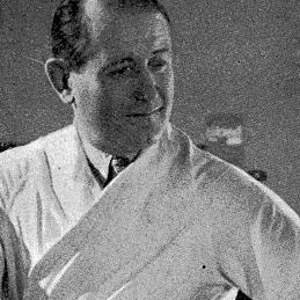
Jean Patou is a French couture and perfume house founded by designer Jean Patou in 1914 in Paris. After serving in World War I, Patou relaunched his business and rapidly became known for modern, comfortable fashion and for aligning fragrance with couture. In 1925 he formally launched his perfume line, debuting three scents in a single year, including Amour Amour, Que Sais-je, and Adieu Sagesse. These early releases were conceived as tailored perfumes for different hair colors and types of femininity, an unusually targeted concept for the time.
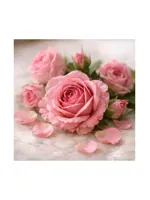
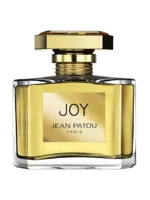
In 1930, in the midst of the economic crisis, Patou asked in-house perfumer Henri Alméras to create an exceptionally rich fragrance using an extravagant quantity of natural materials. The result was Joy, described in period advertising and press as “the most expensive perfume in the world,” reportedly requiring over ten thousand jasmine blossoms and dozens of May roses from Grasse for a single bottle. Joy became a pillar of the house and remained one of the reference florals of 20th century perfumery.
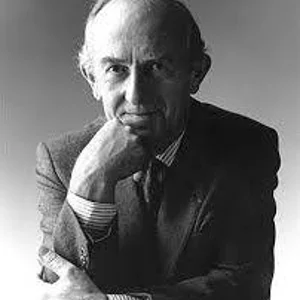
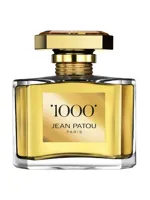
After Jean Patou’s death in 1936, his sister Madeleine Patou and her husband Raymond Barbas took over the company, keeping the fragrance business active even as couture later paused. From 1967 to 1999, in-house perfumer Jean Kerléo created key compositions such as 1000 (1972), Patou pour Homme (1980), and Sublime (1992). The perfume division passed through several owners, including Procter & Gamble Prestige (from 2001) and later Designer Parfums. In 2018 the Patou house, including the Jean Patou name, was acquired by LVMH, which set out to revive the fashion side of the brand while its historic perfumes remain central to its legacy.
A designer, luxury house known for floral compositions.
Jean Patou moved from early concept scents like Amour Amour and sports-inspired Le Sien in the 1920s to full-blown luxury with Joy in 1930, using lavish amounts of natural jasmine and rose. Under Jean Kerléo from the late 1960s onward, the house pivoted into sophisticated chypres and florals like 1000 and Sublime, which cemented its reputation among perfume aficionados even as broader brand visibility waned. After changes in ownership and the end of in-house perfumery, the fragrance line became more about heritage and licensing while LVMH began focusing on reviving the fashion label. Today, Jean Patou is perceived primarily as a historic reference point in perfumery rather than a mass-market player, with its key scents remembered as benchmarks of 20th century floral luxury.
Jean Patou is a must-know name if you care about vintage-style luxury florals and perfume history, but it is niche in availability and appeal today. Seek it out if you enjoy dense, classical compositions and do not mind hunting for older or harder-to-find formulas.
Favourite - easy to wear anywhere · Statement - bold & distinctive · Acquired - bold, for fewer occasions
EDT
Jean Patou
EDP
Jean Patou
EDP
Jean Patou
EDT
Jean Patou
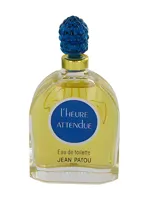
EDP
Jean Patou
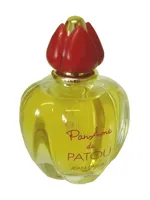
EDT
Jean Patou
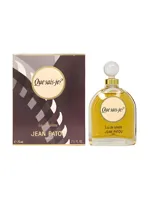
EDP
Jean Patou
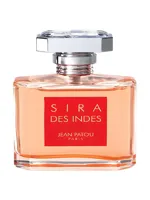
EDP
Jean Patou
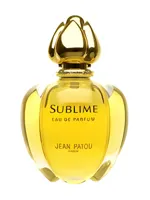
EDP
Jean Patou
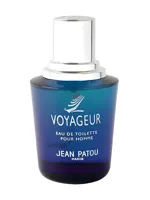
EDT
Jean Patou
New finds, honest verdicts, and price drops.
No spam. Unsubscribe anytime. See our privacy policy.