

Is Aldi E1 Exclusive Only a dupe of Dior Miss Dior?










 Miss Dior Parfum
| Parfum | Concentration | EDT |
| F | Gender | F |
| 2024 | Year | - |
| $$ | Price Tier | $ |
 E1 Exclusive Only EDT
Miss Dior and E1 Exclusive Only are playing in different leagues altogether. Miss Dior is a sophisticated, dense chypre built for complexity, longevity, and quality raw materials, a plush blend of juicy fruits and refined woods that's assertive enough to linger for hours. E1 Exclusive Only takes the opposite approach: a linear, budget-conscious EDT built for accessibility and everyday utility. Both share a structural backbone of patchouli and cedar, but E1 leans on a brighter, sharper profile, using bergamot and synthetic ambroxan to fake a sense of modern freshness. Miss Dior gives you a multidimensional, evolving experience; E1 gives you something straightforward and functional. Choose based on whether you want a long-lasting, luxurious signature or a casual, affordable option for daily errands.
 →
Where they differ
Biggest gaps first. The bolder side leads.
ScentArt
How it unfolds
Notes
- Miss Dior
- E1 Exclusive Only
- in both
Tap a note to light it in both. A+B means both have it


Which Should You Buy?
- You want a complex, long-lasting signature scent.
- You prefer high-quality, rich, and plush ingredients.
- You are looking for a sophisticated, modern chypre.
- You want a fragrance that makes a bold impression.
- You need an affordable, everyday fragrance option.
- You prefer a lighter, fresher scent profile.
- You want a casual scent for gym or errand wear.
- You prefer an EDT concentration for subtle projection.
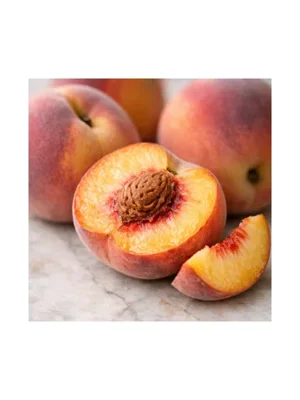
A chypre with its sleeves rolled up: luscious apricot and peach, wild strawberry, and a firm patchouli and oakmoss base. Plush, juicy and sensual, for romantic evenings and cooler days.
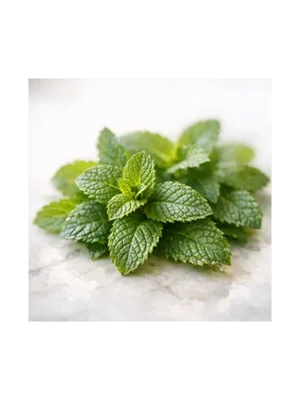
Fougère in structure, fresh and spicy with a clean mineral finish. Bergamot, pink pepper and mint start cool, lavender and geranium fill the middle, and ambroxan, vetiver and cedar close. Easy for the office and weekends.
Scent Profile
How They Wear
Mood
Notes
Top Notes
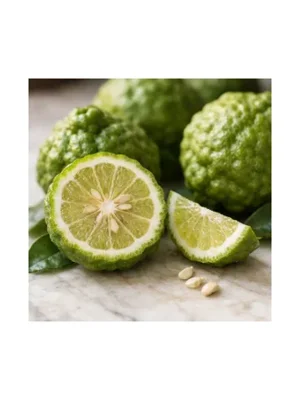
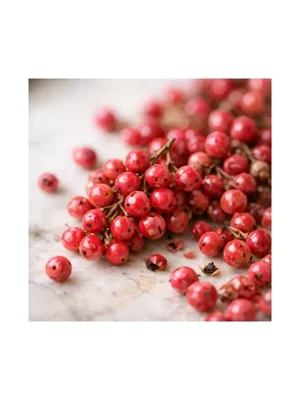
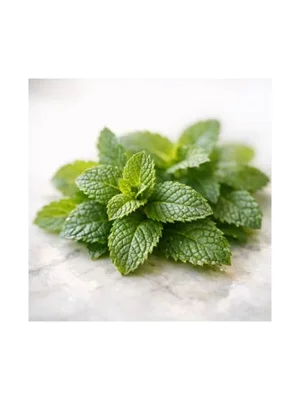
Heart Notes
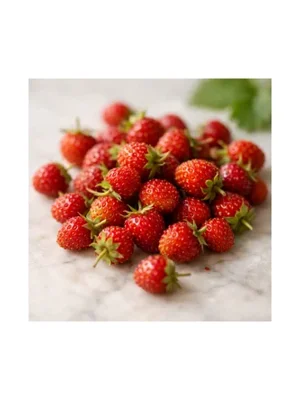 Wild Strawberry
18% share of the perfume
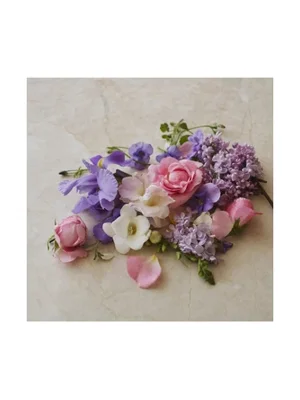 Floral Notes
11% share of the perfume
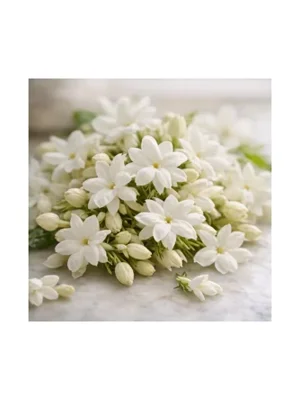 Jasmine
8% share of the perfume
Base Notes
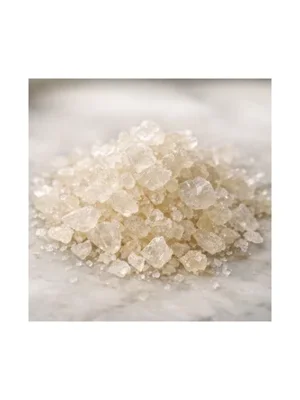
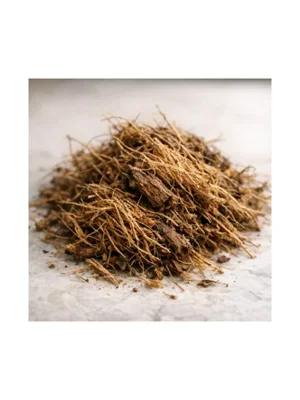
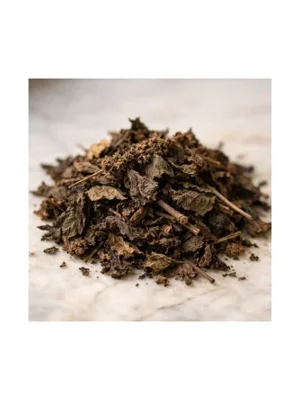 Patchouli
15%
vs
9%
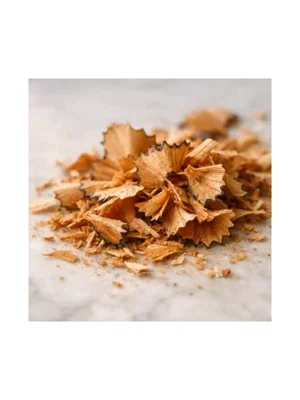 Cedar
6%
vs
9%
Wild Strawberry
18% share of the perfume
Floral Notes
11% share of the perfume
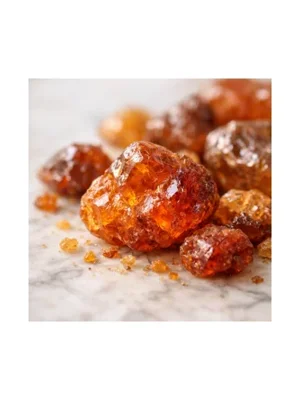 Amber
9% share of the perfume
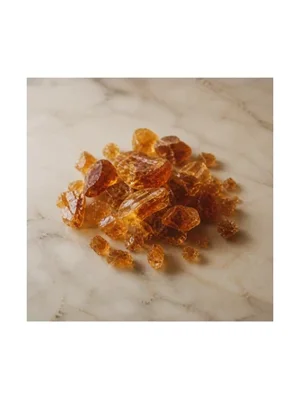 Amberwood
8% share of the perfume
Jasmine
8% share of the perfume
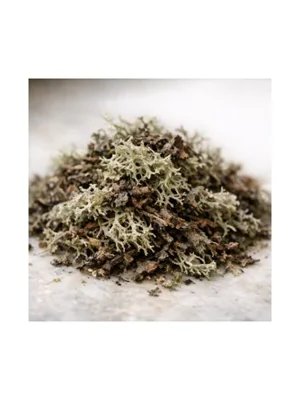 Oakmoss
7% share of the perfume
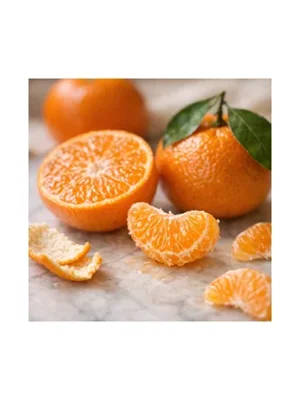 Mandarin
6% share of the perfume
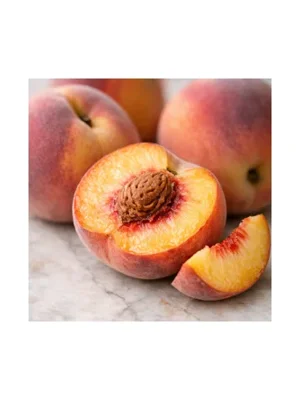 Peach
6% share of the perfume
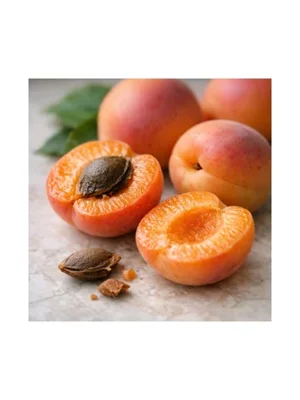 Apricot
5% share of the perfume
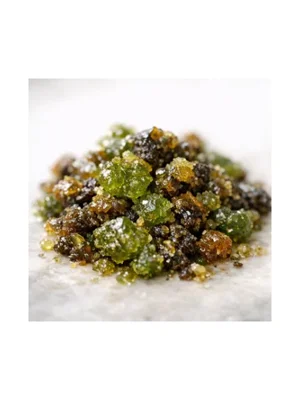 Galbanum
1% share of the perfume
Wild Strawberry
18% share of the perfume
Floral Notes
11% share of the perfume
Jasmine
8% share of the perfume
Patchouli
15%
vs
9%
Cedar
6%
vs
9%
Note weights are our estimate from each note's place in the pyramid, not the share of the formula. Brands do not publish formulations.
Performance
Season and Occasion Fit
Seasons
Fruit and a rich woody base make it best in autumn and spring. It keeps enough brightness for cool summer nights and winter wear.
Occasions
Sensual and pronounced, it excels on romantic evenings and dressy occasions. The richness is too assertive for the office or sport.
Seasons
Mint, lavender and bergamot feel right in spring, and the woods and ambroxan add enough body for autumn. It is neither cool enough for the hottest weeks nor warm enough for deep winter.
Occasions
Fresh and calm, it is a natural for the office and for casual outings. It is too plain for a formal evening and not the right pick for a gym.
Similarity Breakdown
Our estimate of how alike these two fragrances smell, calculated from their published notes. It is a position on our scale, not a measured percentage of shared smell.
Shares 2 of its 12 notes, including Cedar, Patchouli
Adds amber and amberwood, drops ambroxan and bergamot
Where to buy
Pick a size. The two cheapest offers, then the rest.




Prices before sales tax, which the shop adds at checkout.
ScentVerdict earns a commission from purchases - this doesn't affect our verdicts.