
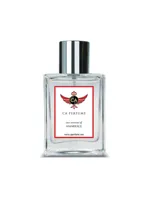
Is CA Perfume Amarrage a dupe of Givenchy Amarige?


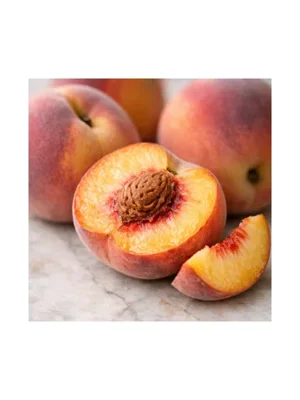

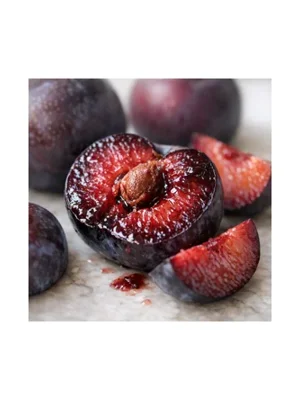


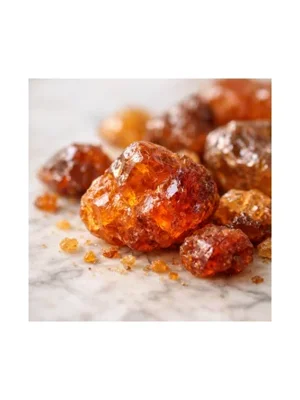

 Amarige EDT
| EDT | Concentration | EDP |
| F | Gender | F |
| 1991 | Year | - |
| $$ | Price Tier | $ |
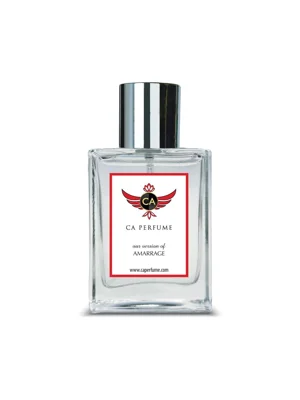 Amarrage EDP
 →
Where they differ
Biggest gaps first. The bolder side leads.
ScentArt
How it unfolds
Notes
- Amarige
- Amarrage
- in both
Tap a note to light it in both. A+B means both have it


Which Should You Buy?
A huge white and yellow floral: tuberose, mimosa and ylang-ylang with peach and plum, on sandalwood, vanilla and amber. Opulent, powerful and unmistakably Givenchy, for formal evenings.
Mandarin, peach and plum open a lavish floral bouquet of tuberose, jasmine, gardenia and mimosa, with amber, sandalwood and vanilla beneath.
Scent Profile
How They Wear
Mood
Notes
Top Notes
Heart Notes
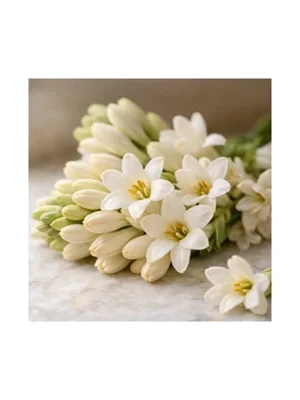 Tuberose
7% share of the perfume
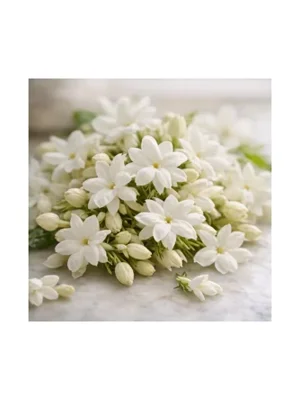 Jasmine
6% share of the perfume
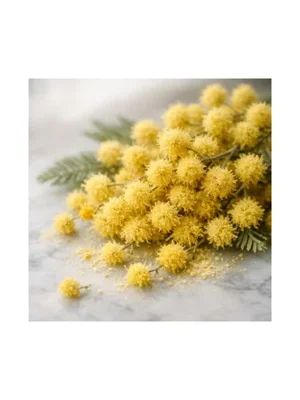 Mimosa
6% share of the perfume
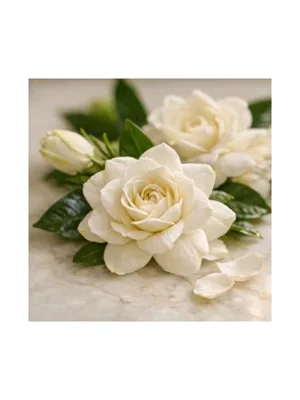 Gardenia
5% share of the perfume
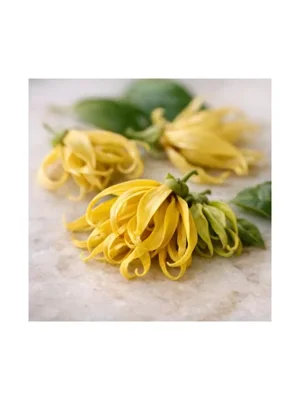 Ylang-Ylang
5% share of the perfume
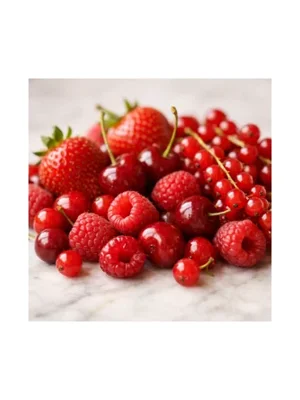 Red Fruits
5% share of the perfume
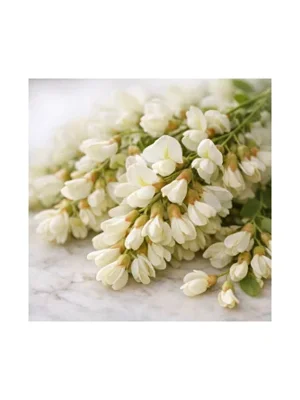 Black Locust
3% share of the perfume
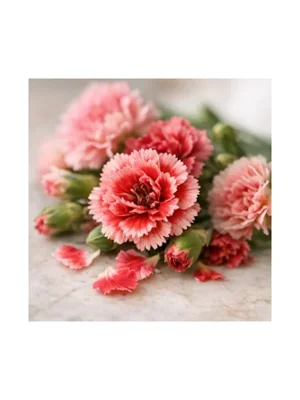 Carnation
3% share of the perfume
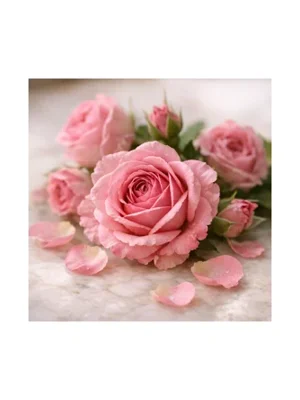 Rose
3% share of the perfume
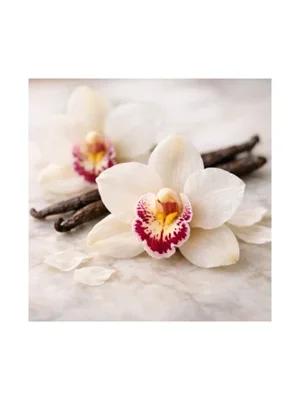 Orchid
2% share of the perfume
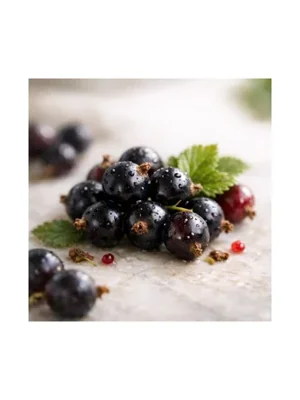 Blackcurrant
2% share of the perfume
Heart Notes
Tuberose
4% share of the perfume
Jasmine
4% share of the perfume
Ylang-Ylang
4% share of the perfume
Gardenia
4% share of the perfume
Mimosa
4% share of the perfume
Rose
4% share of the perfume
Blackcurrant
4% share of the perfume
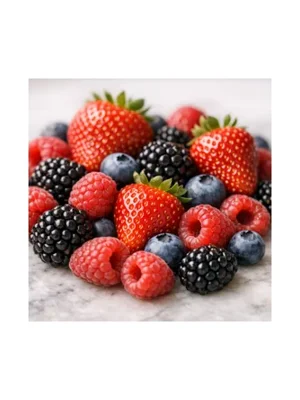 Berries
4% share of the perfume
Orchid
4% share of the perfume
Carnation
4% share of the perfume
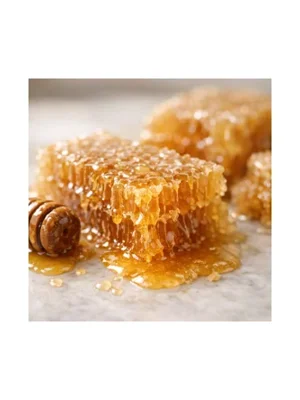 Honey
4% share of the perfume
 Cassia
3% share of the perfume
Base Notes
Tuberose
7%
vs
4%
Jasmine
5%
vs
4%
 Orange Blossom
5%
vs
4%
Mimosa
5%
vs
4%
 Peach
5%
vs
4%
Gardenia
5%
vs
4%
Ylang-Ylang
5%
vs
4%
 Mandarin
4%
vs
4%
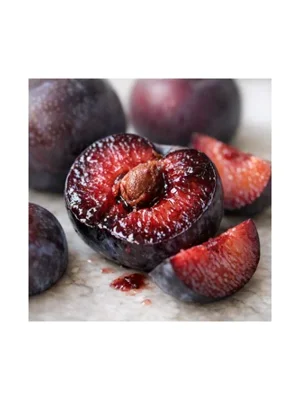 Plum
4%
vs
3%
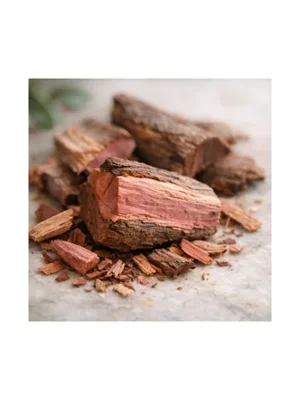 Rosewood
4%
vs
4%
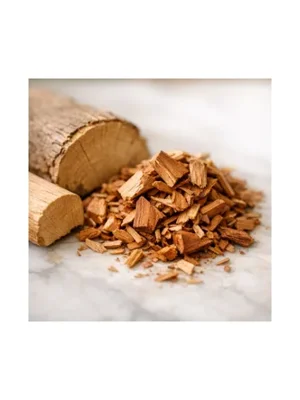 Sandalwood
4%
vs
3%
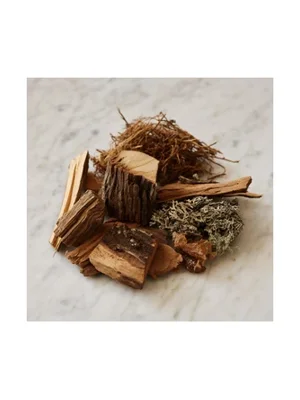 Woody Notes
4%
vs
3%
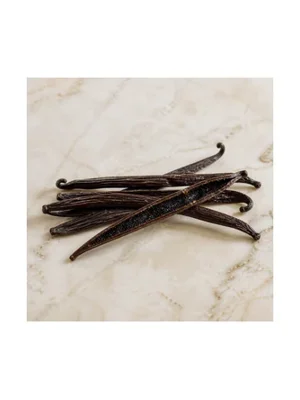 Vanilla
3%
vs
3%
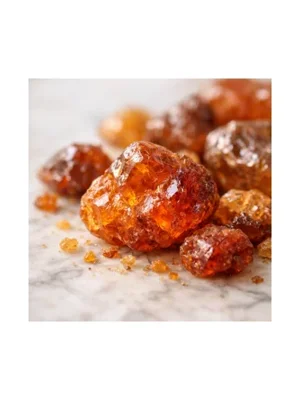 Amber
3%
vs
3%
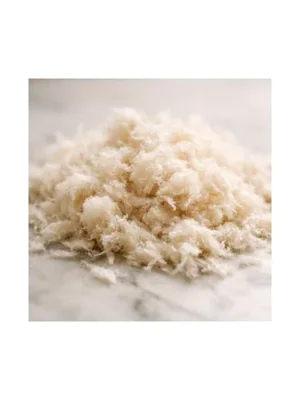 Musk
3%
vs
3%
Carnation
3%
vs
3%
Rose
3%
vs
3%
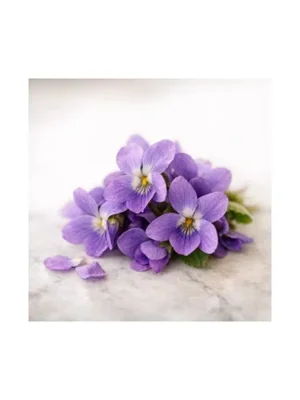 Violet
2%
vs
3%
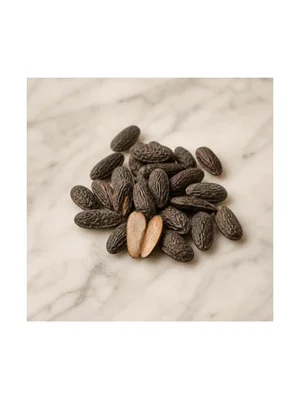 Tonka Bean
2%
vs
3%
Orchid
2%
vs
3%
Blackcurrant
1%
vs
3%
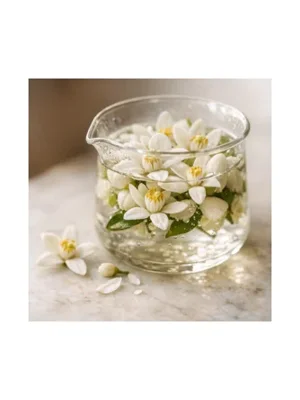 Neroli
1%
vs
3%
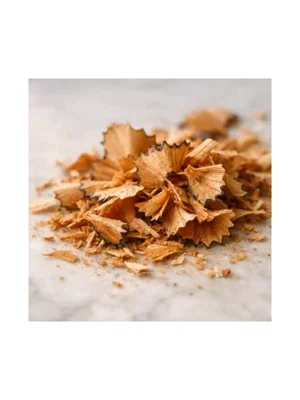 Cedar
0%
vs
3%
Orange Blossom
5%
vs
4%
Peach
5%
vs
4%
Mandarin
4%
vs
4%
Plum
4%
vs
3%
Rosewood
4%
vs
4%
Violet
2%
vs
3%
Neroli
1%
vs
3%
Tuberose
7%
vs
4%
Jasmine
5%
vs
4%
Mimosa
5%
vs
4%
Gardenia
5%
vs
4%
Ylang-Ylang
5%
vs
4%
Carnation
3%
vs
3%
Rose
3%
vs
3%
Orchid
2%
vs
3%
Blackcurrant
1%
vs
3%
Sandalwood
4%
vs
3%
Woody Notes
4%
vs
3%
Vanilla
3%
vs
3%
Amber
3%
vs
3%
Musk
3%
vs
3%
Tonka Bean
2%
vs
3%
Cedar
0%
vs
3%
Note weights are our estimate from each note's place in the pyramid, not the share of the formula. Brands do not publish formulations.
Performance
Season and Occasion Fit
Seasons
Rich white florals and fruit come into their own in cool spring and autumn air, where the size can be enjoyed. Summer heat would overwhelm it.
Occasions
Strong and opulent, it is built for formal events and evening wear. It is too powerful for the office or sport.
Seasons
Citrus, violet and fruit lend lift for spring, while the dense white-floral heart can feel full in summer. Amber, sandalwood and vanilla give it added comfort in autumn and some warmth in winter.
Occasions
The rich floral centre and warm base feel suited to an evening or a dressed-up occasion. Fruit gives it some ease for relaxed daytime wear, but the broad bouquet has more presence than a sporty or restrained office scent.
Similarity Breakdown
Our estimate of how alike these two fragrances smell, calculated from their published notes. It is a position on our scale, not a measured percentage of shared smell.
Shares 23 of its 25 notes, including Cedar, Musk, Sandalwood
Adds black locust and red fruits, drops berries and cassia
Where to buy
Pick a size. The two cheapest offers, then the rest.








Prices before sales tax, which the shop adds at checkout.
ScentVerdict earns a commission from purchases - this doesn't affect our verdicts.