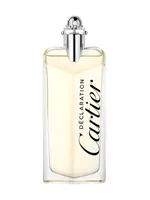

Is Fragrance World Caliber Declaration a dupe of Cartier Declaration?



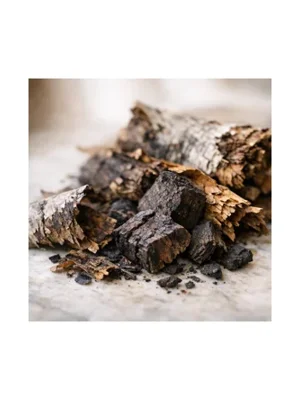


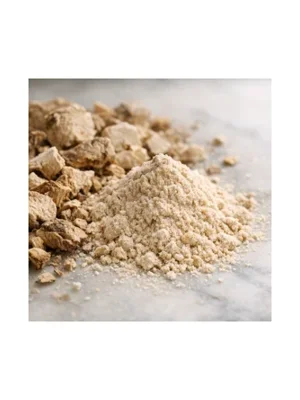

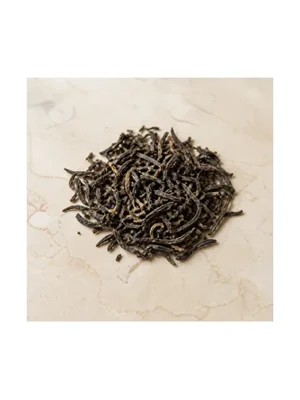



 Declaration EDT
| EDT | Concentration | EDP |
| M | Gender | M |
| 1998 | Year | 2021 |
| $$ | Price Tier | $ |
 Caliber Declaration EDP
Declaration by Cartier is a complex, spicy citrus fragrance, while Caliber Declaration by Fragrance World amplifies the warm, spicy elements, resulting in a flatter profile. Cartier's creation is a refined, pricier classic that some find challenging but rewarding. Caliber Declaration offers a budget-friendly and simplified take on the original, emphasizing warmth over bright citrus. If you want the full spectrum of the original, go for Cartier. If you prefer a warmer, spicier, and more affordable interpretation, Caliber Declaration is a solid choice.
 →
Where they differ
Biggest gaps first. The bolder side leads.
ScentArt
How it unfolds
Notes
- Declaration
- Caliber Declaration
- in both
Tap a note to light it in both. A+B means both have it


Which Should You Buy?
- You appreciate complex, evolving fragrances.
- You prefer bright citrus notes.
- You want the original Declaration experience.
- You value higher-quality ingredients and performance.
- You prefer a warmer, spicier scent profile.
- You're on a budget.
- You want a simpler, more straightforward fragrance.
- You like a dressed-up feel.
A complex spicy-citrus classic that may take a few wears to understand. Bitter orange and caraway open it sharp, and vetiver and leather dry it down with long staying power.
This one is a divisive take on a classic, leaning more into its warm, spicy side. Expect a sophisticated, somewhat flat aroma that might not thrill purists but offers a unique, dressed-up feel.
Scent Profile
How They Wear
Mood
Notes
Top Notes
Heart Notes
Base Notes
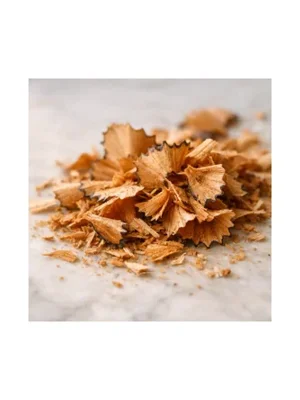
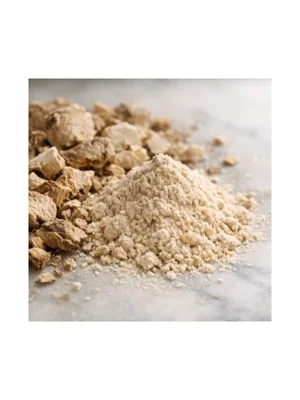 Iris
10%
vs
9%
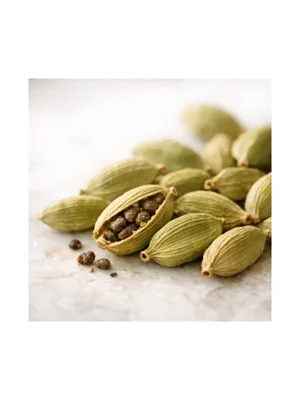 Cardamom
8%
vs
5%
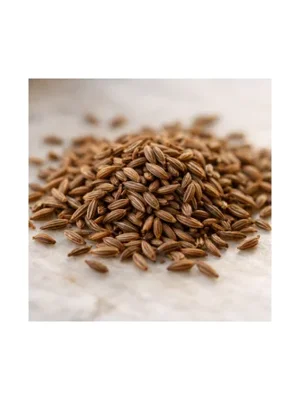 Caraway
8%
vs
4%
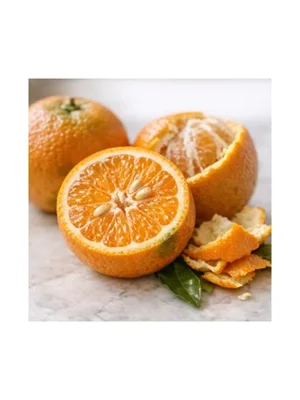 Bitter Orange
6%
vs
5%
 Mandarin
6%
vs
3%
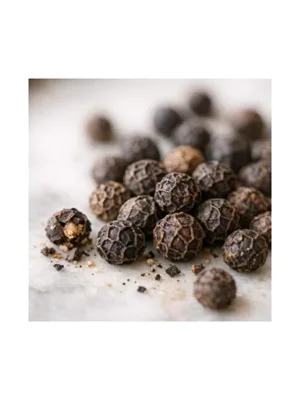 Pepper
5%
vs
4%
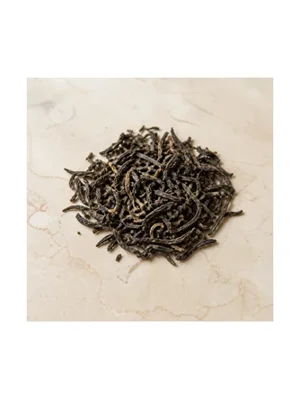 Tea
5%
vs
4%
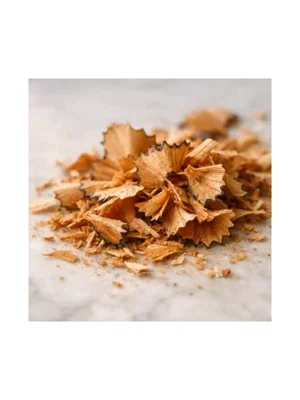 Cedar
5%
vs
4%
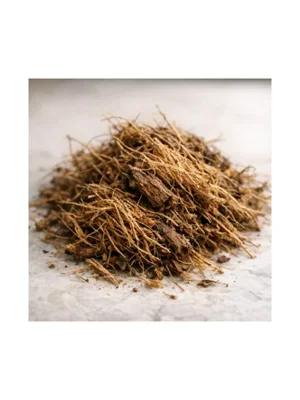 Vetiver
5%
vs
5%
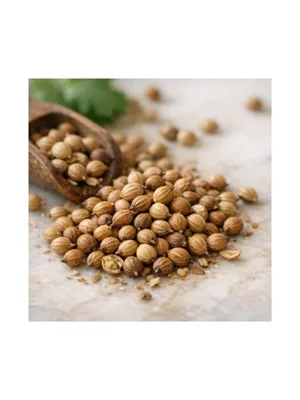 Coriander
4%
vs
7%
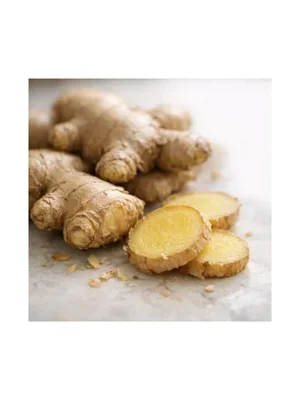 Ginger
4%
vs
4%
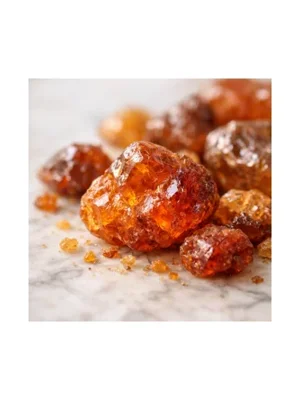 Amber
3%
vs
4%
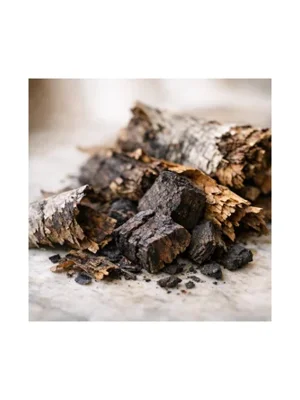 Birch
3%
vs
4%
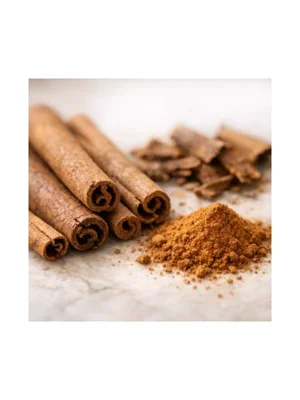 Cinnamon
3%
vs
4%
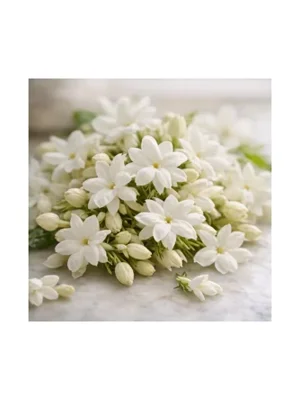 Jasmine
3%
vs
3%
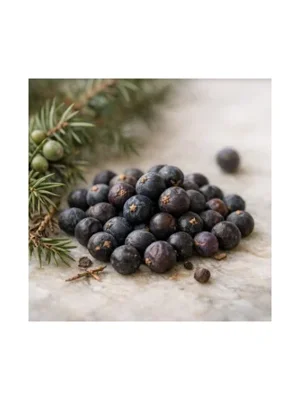 Juniper
3%
vs
4%
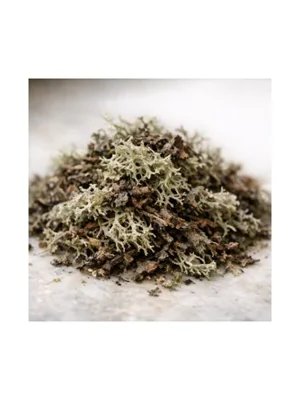 Oakmoss
3%
vs
4%
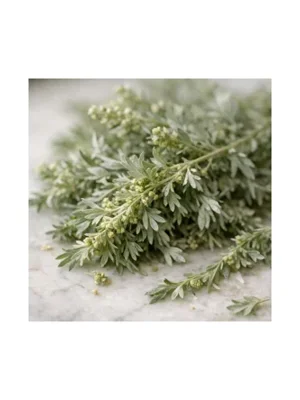 Artemisia
3%
vs
5%
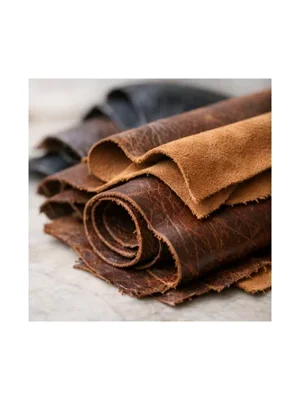 Leather
2%
vs
4%
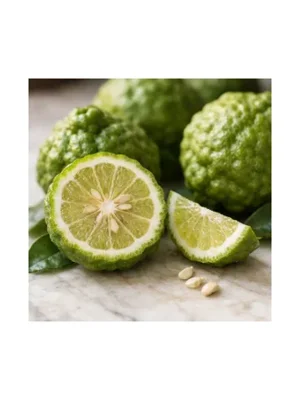 Bergamot
1%
vs
3%
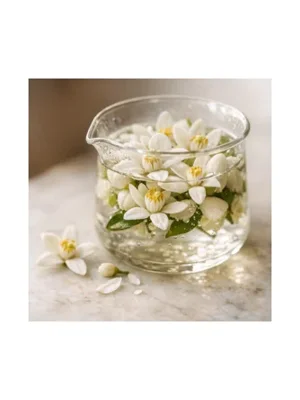 Neroli
1%
vs
4%
Caraway
8%
vs
4%
Bitter Orange
6%
vs
5%
Mandarin
6%
vs
3%
Coriander
4%
vs
7%
Birch
3%
vs
4%
Artemisia
3%
vs
5%
Bergamot
1%
vs
3%
Neroli
1%
vs
4%
Iris
10%
vs
9%
Cardamom
8%
vs
5%
Pepper
5%
vs
4%
Ginger
4%
vs
4%
Cinnamon
3%
vs
4%
Jasmine
3%
vs
3%
Juniper
3%
vs
4%
Tea
5%
vs
4%
Cedar
5%
vs
4%
Vetiver
5%
vs
5%
Amber
3%
vs
4%
Oakmoss
3%
vs
4%
Leather
2%
vs
4%
Note weights are our estimate from each note's place in the pyramid, not the share of the formula. Brands do not publish formulations.
Performance
Season and Occasion Fit
Seasons
Bitter orange, bergamot and spice are brightest in spring, and the vetiver and tea keep it wearable through summer and autumn. Winter is the least natural fit.
Occasions
Its moderate projection and sophisticated, clean character make it ideal for office and formal wear. While suitable for casual settings, its refined nature might be a bit much for active sports. It can work for a date, but some might find it a touch too serious.
Seasons
A year-round scent - easy to wear in any season.
Occasions
Its sophisticated spicy-woody profile makes it suitable for formal and date settings, offering a dressed-up feel. The herbal and aromatic accords mean it could work for the office, but its distinctiveness might be too much for casual wear or sport.
Similarity Breakdown
Our estimate of how alike these two fragrances smell, calculated from their published notes. It is a position on our scale, not a measured percentage of shared smell.
Every one of its 21 notes is in the original, including Cinnamon, Tea, Caraway
Near-identical note list, differs in proportion
Where to buy
Pick a size. The two cheapest offers, then the rest.





Caliber Declaration EDP
Check price on
→
No other shop we track that delivers to you has it in stock.
Prices before sales tax, which the shop adds at checkout.
ScentVerdict earns a commission from purchases - this doesn't affect our verdicts.