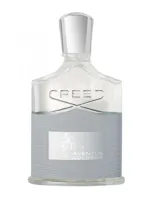
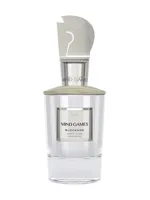
Aventus Cologne Eau de Parfum vs Blockade Extrait



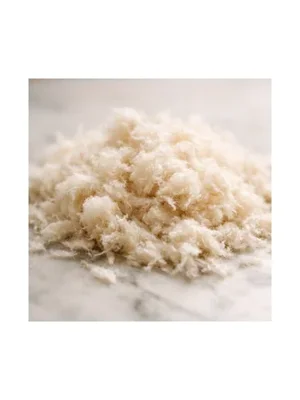
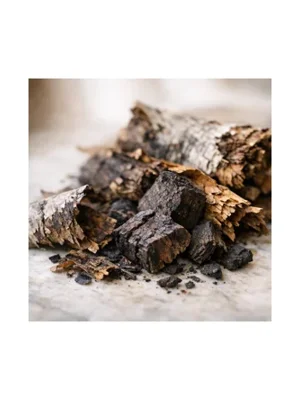




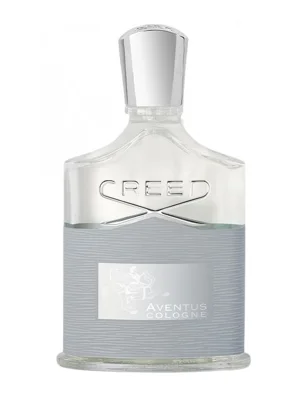 Aventus Cologne EDP
| EDP | Concentration | Extrait |
| M | Gender | M |
| 2018 | Year | 2022 |
| £££££ | Price tier | ££££ |
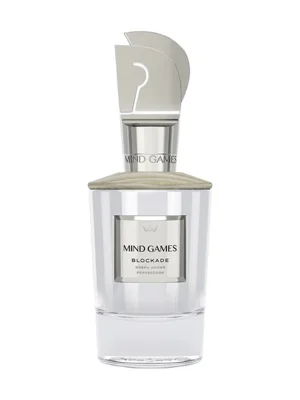 Blockade Extrait
Aventus Cologne and Blockade both aim for a fresh, citrusy opening with spicy nuances, but diverge significantly in their drydowns and overall profiles. Aventus Cologne offers a brighter, more versatile freshness grounded in woody-musk, while Blockade introduces a prominent mango note, creating a sweeter, more tropical vibe. Longevity is a concern with Blockade, while Aventus Cologne provides reliable performance. Ultimately, the choice hinges on whether you prefer a classic, refined freshness or a bold, fruity twist, and if Blockade's high price point is justifiable.
 →
Where they differ
Biggest gaps first. The bolder side leads.
ScentArt
How it unfolds
Notes
- Aventus Cologne
- Blockade
- in both
Tap a note to light it in both. A+B means both have it


Which should you buy?
- You prefer a versatile, everyday fragrance.
- You want a brighter, crisper citrus experience.
- Longevity and reliable performance are key.
- You appreciate a more restrained woody base.
- You want a unique mango twist on the Aventus DNA.
- You enjoy sweeter, fruitier fragrances.
- You're willing to pay a premium for niche appeal.
- You want something that stands out from the crowd.
Mandarin and bergamot give Aventus Cologne a brisk citrus edge, with ginger lending dry spice. Patchouli and birch add texture, while musk smooths the finish without dulling its freshness.
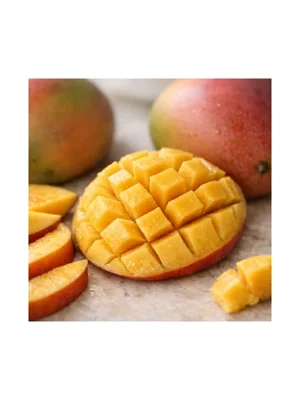
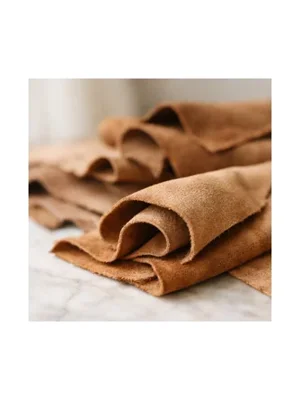
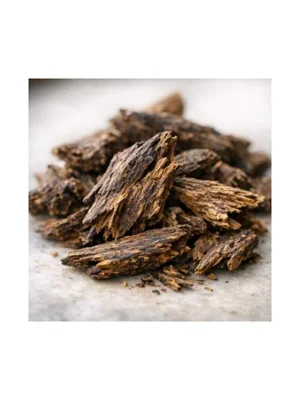
Ripe mango and tomato leaf over lavender and star anise, drying to suede, oud and amber.
Scent profile
How they wear
Mood
Notes
Top notes
Heart notes
Base notes
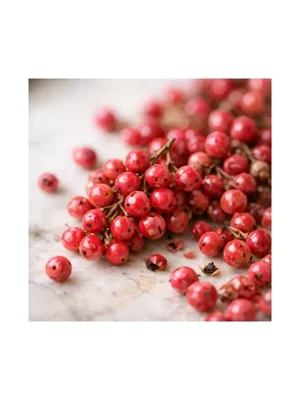 Pink Pepper
8%
vs
6%
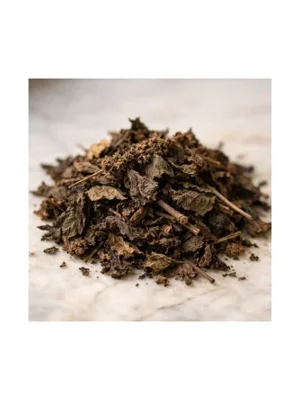 Patchouli
5%
vs
6%
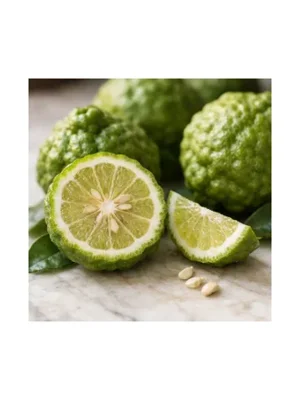 Bergamot
2%
vs
8%
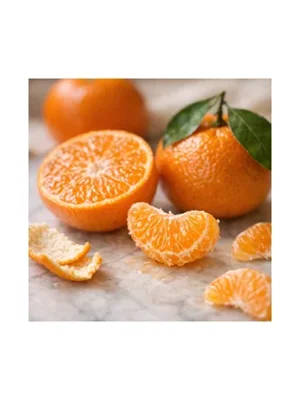 Mandarin
11% share of the perfume
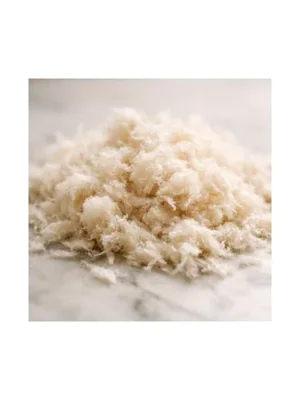 Musk
11% share of the perfume
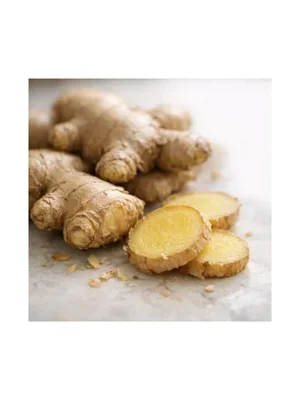 Ginger
11% share of the perfume
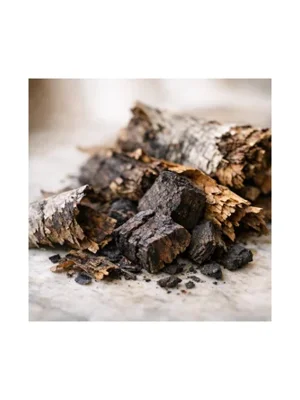 Birch
9% share of the perfume
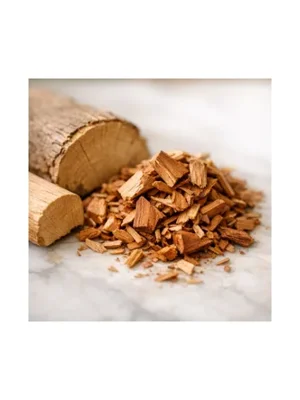 Sandalwood
7% share of the perfume
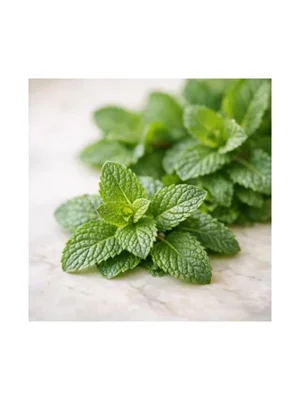 Spearmint
7% share of the perfume
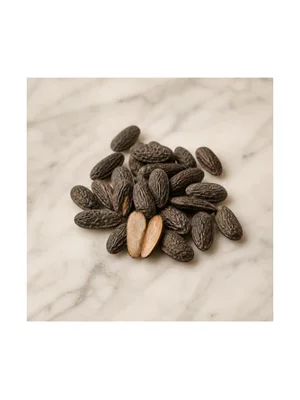
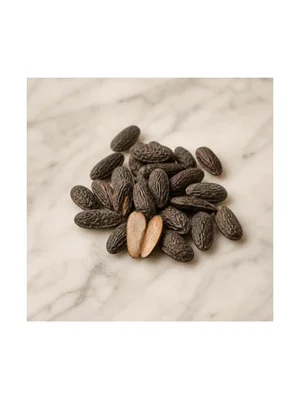 Tonka Bean
7% share of the perfume
 Cedar
6% share of the perfume
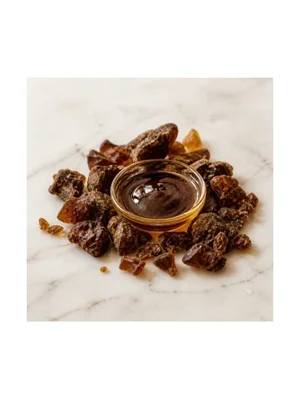 Styrax
6% share of the perfume
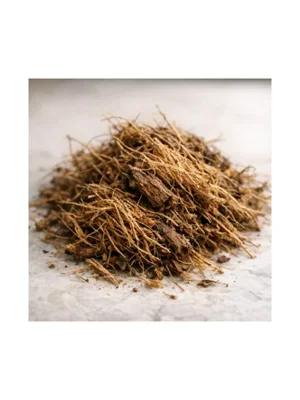 Vetiver
5% share of the perfume
 Ozonic Notes
4% share of the perfume
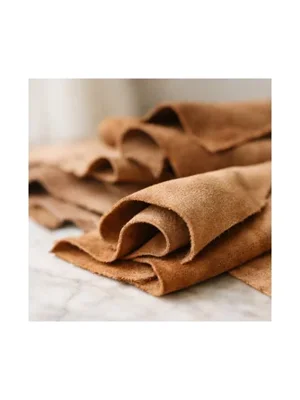 Suede
13% share of the perfume
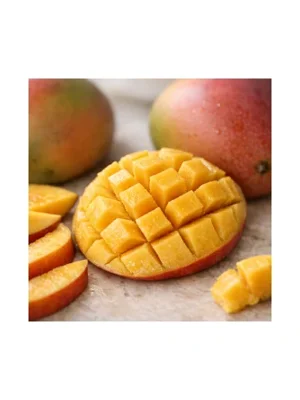 Mango
12% share of the perfume
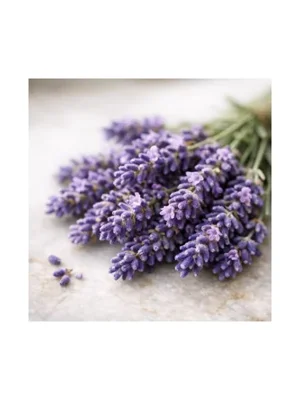 Lavender
10% share of the perfume
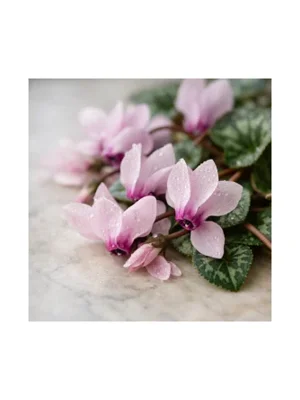 Cyclamen
8% share of the perfume
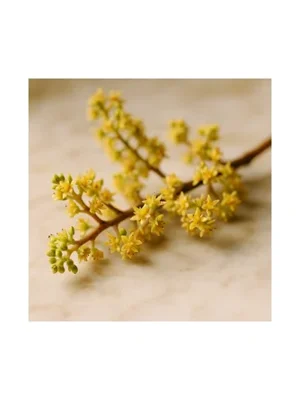 Mango Blossom
8% share of the perfume
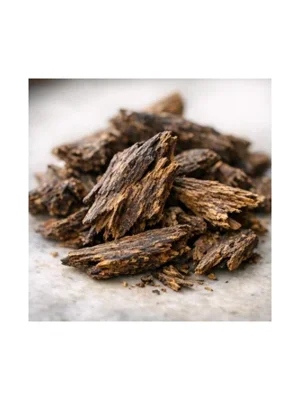 Oud
8% share of the perfume
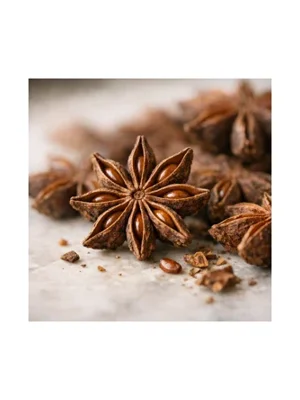 Star Anise
7% share of the perfume
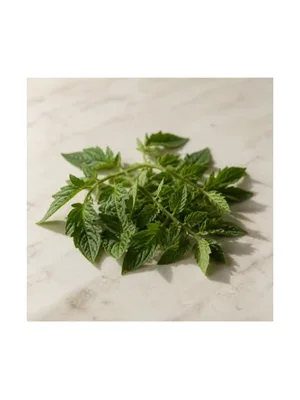 Tomato Leaf
7% share of the perfume
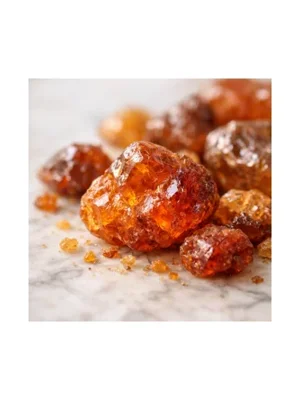 Amber
5% share of the perfume
Pink Pepper
8%
vs
6%
Bergamot
2%
vs
8%
Mandarin
11% share of the perfume
Ginger
11% share of the perfume
Spearmint
7% share of the perfume
Note weights are our estimate from each note's place in the pyramid, not the share of the formula. Brands do not publish formulations.
Performance
Season and occasion fit
Seasons
Citrus, ginger and airy accords make summer the clearest fit, with spring and autumn also in range; winter is less aligned.
Occasions
Casual and sport lead, closely followed by office; the crisp citrus and clean woods also keep formal settings and dates in range.
Seasons
Ripe mango, bergamot and tomato leaf are juicy and green, so summer and spring suit it. Suede and amber give a dry base, but not winter weight.
Occasions
Lively and upbeat, it suits casual days and warm offices, with suede adding a touch of polish. It is too fruity for a formal evening.
Similarity breakdown
Our estimate of how alike these two fragrances smell, calculated from their published notes. It is a position on our scale, not a measured percentage of shared smell.
Shares 3 of its 12 notes, including Bergamot, Patchouli, Pink Pepper
Adds amber and cyclamen, drops birch and cedar
Where to buy
Pick a size. The two cheapest offers, then the rest.





ScentVerdict earns a commission from purchases - this doesn't affect our verdicts.