Asparagus names no single substance
ReconstructedNot extracted; the character is sulfurous, which the 28 facets do not carry either.
Note Profile
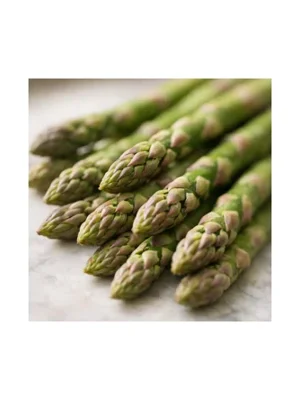
Asparagus is a green accent built from aroma chemicals, because the vegetable cannot be extracted in practice. It smells crisp and vegetal, like freshly cut stems and raw garden greens. Earthy and slightly sulphurous tones sit beneath, and a faintly watery, mineral quality follows. It is used lightly in the top or heart.
Asparagus smells crisp and vegetal, like freshly cut stems and raw garden greens. Earthy tones sit beneath, with a faint sulphurous edge like the steam off boiled spears. A dewy, watery freshness follows, like a garden after rain, and it softens to a rounded green with a herbal trace.
Read off the wheel, not a label applied to the note.
Not extracted; the character is sulfurous, which the 28 facets do not carry either.
This note is typically recreated using synthetic molecules that mimic the volatile compounds found in fresh asparagus, as direct extraction is impractical. Key aroma chemicals include methanethiol and asparagusic acid derivatives, which are carefully dosed to avoid overpowering sulfur notes. Natural asparagus is rarely used due to its instability and low yield in extraction.
Perfumers employ asparagus as a green accent, often in the top or heart of compositions to evoke a fresh, garden-like atmosphere. It pairs well with other green notes, watery florals, and vegetal accords, lending realism and complexity to modern green fragrances. Its use is generally subtle, supporting more familiar green or herbal notes.
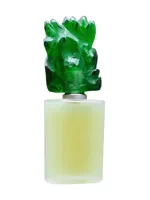
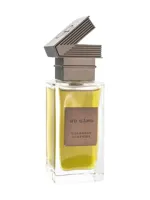
A selection of reviewed perfumes where Asparagus appears prominently.
New finds, honest verdicts, and price drops.
No spam. Unsubscribe anytime. See our privacy policy.