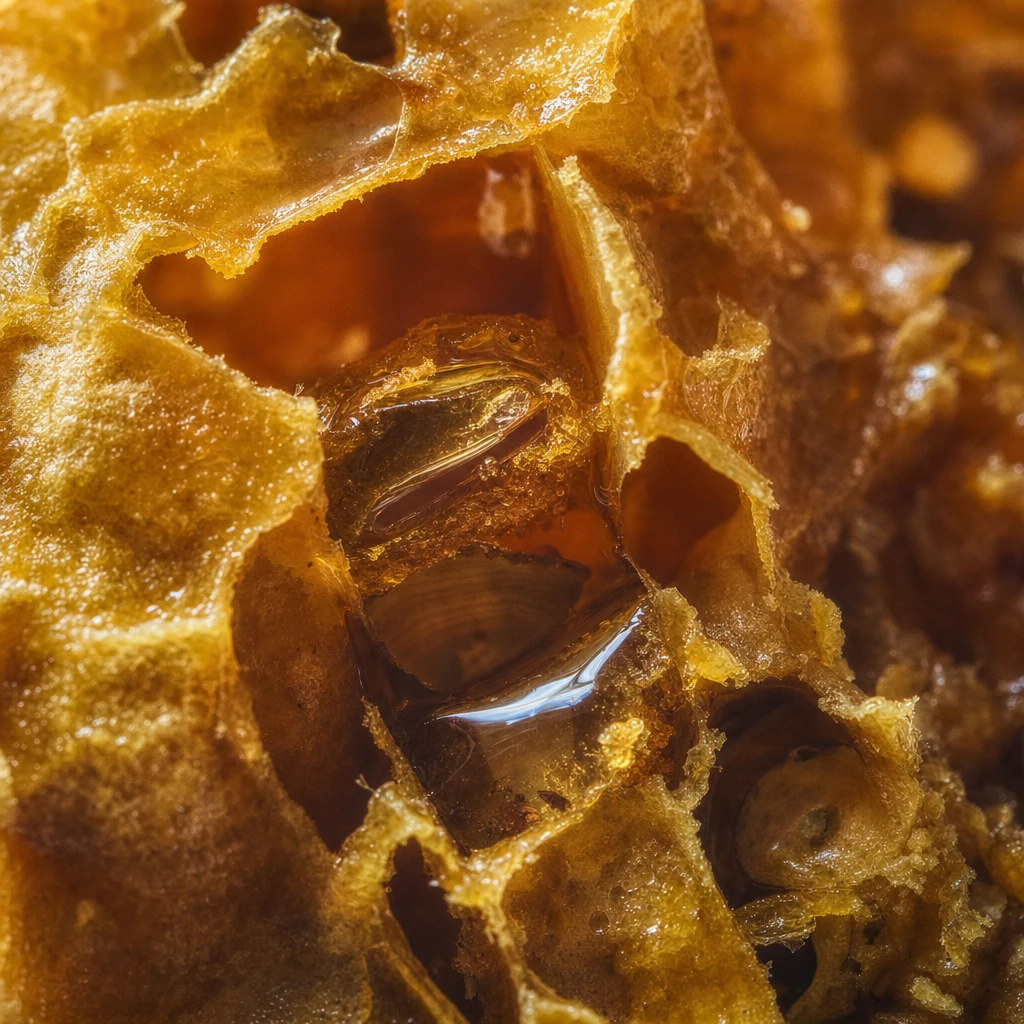
What it smells like
Honey is never only sweet. Phenylacetic acid, one of its main components, is also present in urine and sweat. That is why honey notes in perfume so often read as slightly dirty, waxy or overripe rather than clean.
Where it stops
Honey is where Sweet touches Animalic. That connection is chemical, not metaphorical.
Smells most like
honey - and in the same register, honeybush, leatherwood.
Notes that load on it
Notes from our catalogue whose position on this facet is 0.40 or higher, strongest first. A note is not filed under one facet: it carries a value on all 34 at once, and these are the ones where this axis is doing real work.
-
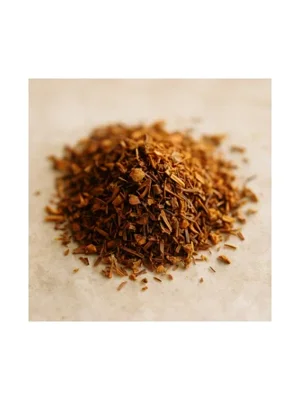 Honeybush
Tobacco & Hay
Aromatic
Base · ~28h
Botanical
2
Honeybush
Tobacco & Hay
Aromatic
Base · ~28h
Botanical
2
-
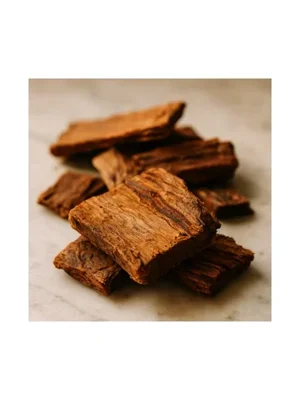 Leatherwood
Base · ~48h
Botanical
3
Leatherwood
Base · ~48h
Botanical
3
-
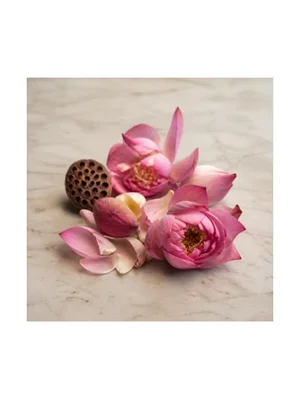 Pink Lotus
Floral
Earthy
Vanilla
Base · ~18h
Botanical
Pink Lotus
Floral
Earthy
Vanilla
Base · ~18h
Botanical
-
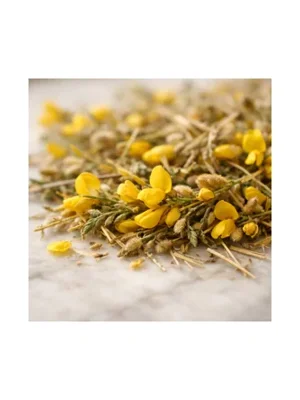 Broom
Tobacco & Hay
Floral
Heart · ~8h
Botanical
60
Broom
Tobacco & Hay
Floral
Heart · ~8h
Botanical
60
-
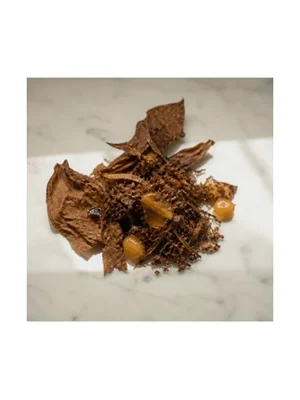 Honeyed Tobacco
Tobacco & Hay
Vanilla
Base · ~24h
Prepared
Honeyed Tobacco
Tobacco & Hay
Vanilla
Base · ~24h
Prepared
-
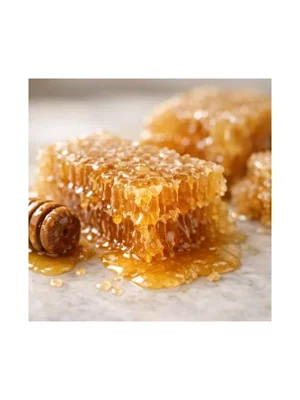 Honey
Waxy-Fatty
Base · ~48h
Animal
1,064
Honey
Waxy-Fatty
Base · ~48h
Animal
1,064
-
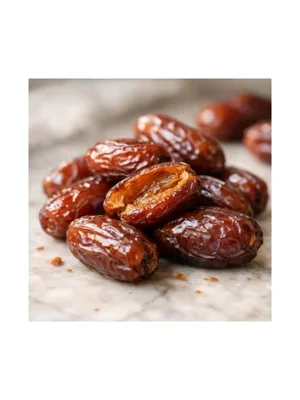 Date
Fruity
Vanilla
Base · ~18h
Botanical
168
Date
Fruity
Vanilla
Base · ~18h
Botanical
168
-
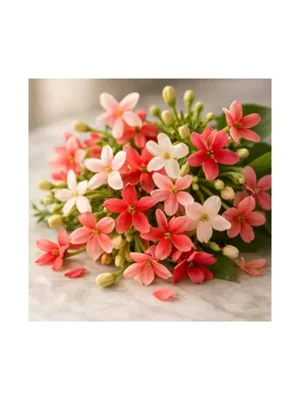 Rangoon Creeper
White Floral
Fruity
Floral
Heart · ~8h
Botanical
15
Rangoon Creeper
White Floral
Fruity
Floral
Heart · ~8h
Botanical
15
-
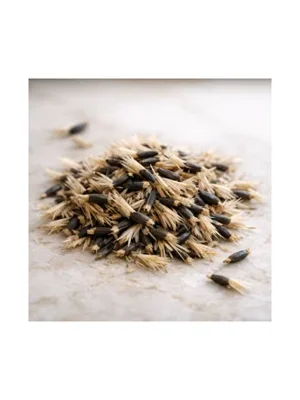 Cornflower Sultan Seeds
Tobacco & Hay
Powdery
Aromatic
Heart · ~4.5h
Botanical
5
Cornflower Sultan Seeds
Tobacco & Hay
Powdery
Aromatic
Heart · ~4.5h
Botanical
5
-
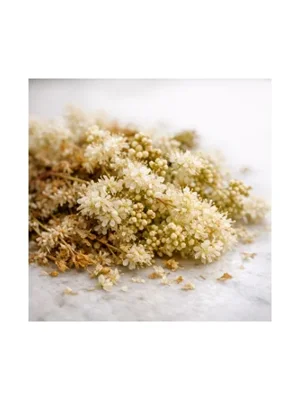 Meadowsweet
Nutty
Tobacco & Hay
Phenolic
Heart · ~6h
Botanical
3
Meadowsweet
Nutty
Tobacco & Hay
Phenolic
Heart · ~6h
Botanical
3
-
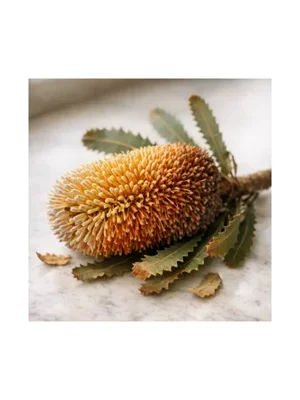 Banksia Australian
Powdery
Dry Wood
Base · ~28h
Botanical
Banksia Australian
Powdery
Dry Wood
Base · ~28h
Botanical
-
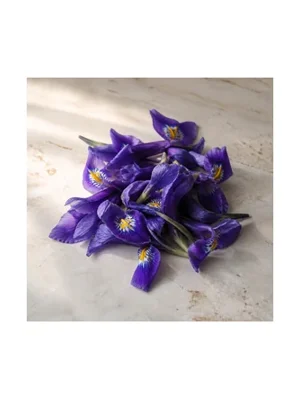 Blue Lilies
Floral
Powdery
Base · ~14h
Botanical
Blue Lilies
Floral
Powdery
Base · ~14h
Botanical
-
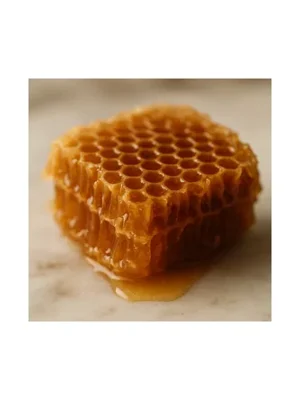 Honeycomb
Waxy-Fatty
Tobacco & Hay
Base · ~36h
Animal
Honeycomb
Waxy-Fatty
Tobacco & Hay
Base · ~36h
Animal
-
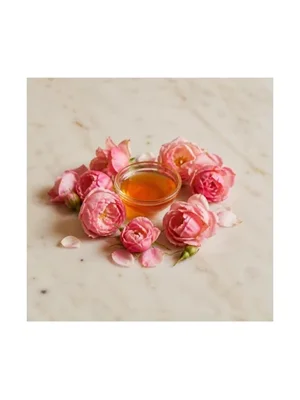 Rose Honey
Floral
Base · ~18h
Prepared
Rose Honey
Floral
Base · ~18h
Prepared
-
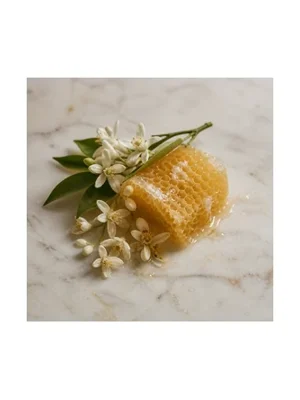 Orange Blossom Honey
White Floral
Citrus
Base · ~12h
Prepared
Orange Blossom Honey
White Floral
Citrus
Base · ~12h
Prepared
-
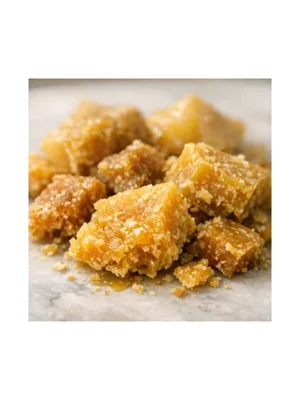 Beeswax
Waxy-Fatty
Base · ~48h
Animal
128
Beeswax
Waxy-Fatty
Base · ~48h
Animal
128
-
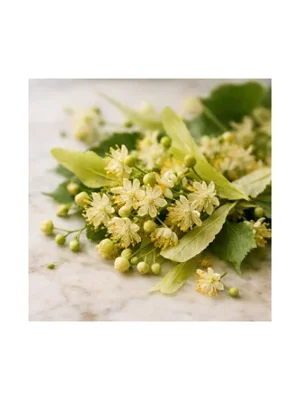 Linden Tree
Floral
Green
Heart · ~8h
Botanical
31
Linden Tree
Floral
Green
Heart · ~8h
Botanical
31
-
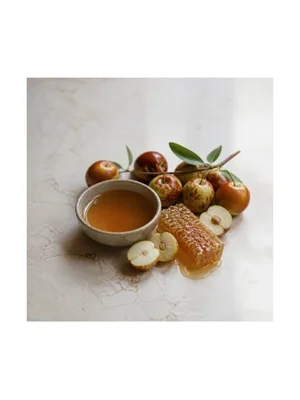 Jujube Honey
Earthy
Vanilla
Base · ~12h
Prepared
Jujube Honey
Earthy
Vanilla
Base · ~12h
Prepared
-
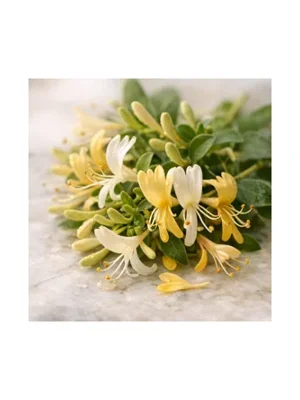 Honeysuckle
Floral
Green
Heart · ~4h
Botanical
375
Honeysuckle
Floral
Green
Heart · ~4h
Botanical
375
-
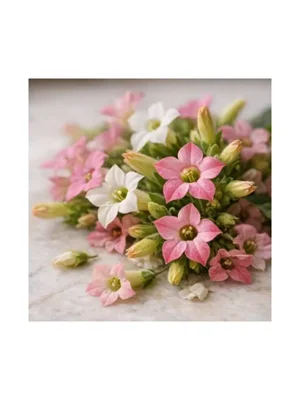 Tobacco Blossom
White Floral
Green
Floral
Heart · ~8h
Botanical
46
Tobacco Blossom
White Floral
Green
Floral
Heart · ~8h
Botanical
46
Materials that carry it
Real substances, each keyed by its CAS registry number, that an external perfumery vocabulary publishes with a term meaning this facet outright. This is the layer that makes a facet checkable against something outside our own database.
| Material | CAS | Terms | Status |
|---|---|---|---|
| copaene | CAS 3856-25-5 | honey | |
| t-muurolol | CAS 19912-62-0 | honey | |
| damascenone | CAS 23696-85-7 | honey | Declarable IFRA |
| delta-cadinol | CAS 19435-97-3 | honey | |
| ethyl cinnamate | CAS 4192-77-2 | honey | |
| heptyl butyrate | CAS 5870-93-9 | honey | |
| artemisia ketone | CAS 546-49-6 | honey | |
| isoamyl geranate | CAS 68133-73-3 | honey | |
| octyl isovalerate | CAS 7786-58-5 | honey | |
| phenethyl acetate | CAS 103-45-7 | honey | |
| phenylacetic acid | CAS 103-82-2 | honey | |
| .beta.-spathulenol | CAS 77171-55-2 | honey | |
| geranyl propionate | CAS 105-90-8 | honey | |
| phenethyl benzoate | CAS 94-47-3 | honey | |
| phenoxyacetic acid | CAS 122-59-8 | honey | |
| phenylacetaldehyde | CAS 122-78-1 | honey | IFRA |
| phenylpyruvic acid | CAS 156-06-9 | honey | |
| prenyl isobutyrate | CAS 76649-23-5 | honey | |
| allyl phenylacetate | CAS 1797-74-6 | honey | |
| butyl phenylacetate | CAS 122-43-0 | honey | |
| ethyl phenylacetate | CAS 101-97-3 | honey | |
| hexyl phenylacetate | CAS 5421-17-0 | honey | |
| octyl phenylacetate | CAS 122-45-2 | honey | |
| allyl phenoxyacetate | CAS 7493-74-5 | honey | IFRA |
| citronellyl valerate | CAS 7540-53-6 | honey | |
| ethyl pentadecanoate | CAS 41114-00-5 | honey | |
| heptyl phenylacetate | CAS 39736-25-9 | honey | |
| methyl phenylacetate | CAS 101-41-7 | honey | |
| propyl phenylacetate | CAS 4606-15-9 | honey | |
| allyl phenethyl ether | CAS 14289-65-7 | honey |
Showing 30 of 110. The full set ships with the published standard rather than being paginated here.
Reading the two flags
Declarable means the substance appears in Annex III of the EU Cosmetics Regulation, so it has to be named on the ingredient list once it passes a concentration threshold. IFRA means an IFRA Standard restricts or prohibits its use. Both are facts about the substance, not about any fragrance: a perfume can contain a declarable material below the threshold and never print it, and a restricted material used within its limit is used correctly.
The source also supplies no common name for a large share of materials, so those display as a bare registry number and are ranked last. They are kept because they are real evidence: dropping them would make the vocabulary look better described than it is.
Anchor terms
A facet on its own is just a word we chose. An anchor is what makes it checkable: a term in an external, independently maintained vocabulary of odour descriptions, built for perfumery materials rather than for us. The material list above is drawn from the direct terms only, because a partial term corroborates too weakly to stand as evidence on its own.
Direct
Terms that mean this facet outright
- honey
Partial
Terms that lean this way but also load elsewhere
- beeswax
Thinly anchored
This facet rests on 1 direct term, which makes it one of the more likely to move when the crosswalk is revised or a better source is found. It is flagged here rather than presented as equal in weight to a facet held up by nine.
The rest of Sweet & Gourmand
The other facets in this family. A note can load on any of them at the same time as this one, so they are neighbours rather than alternatives.