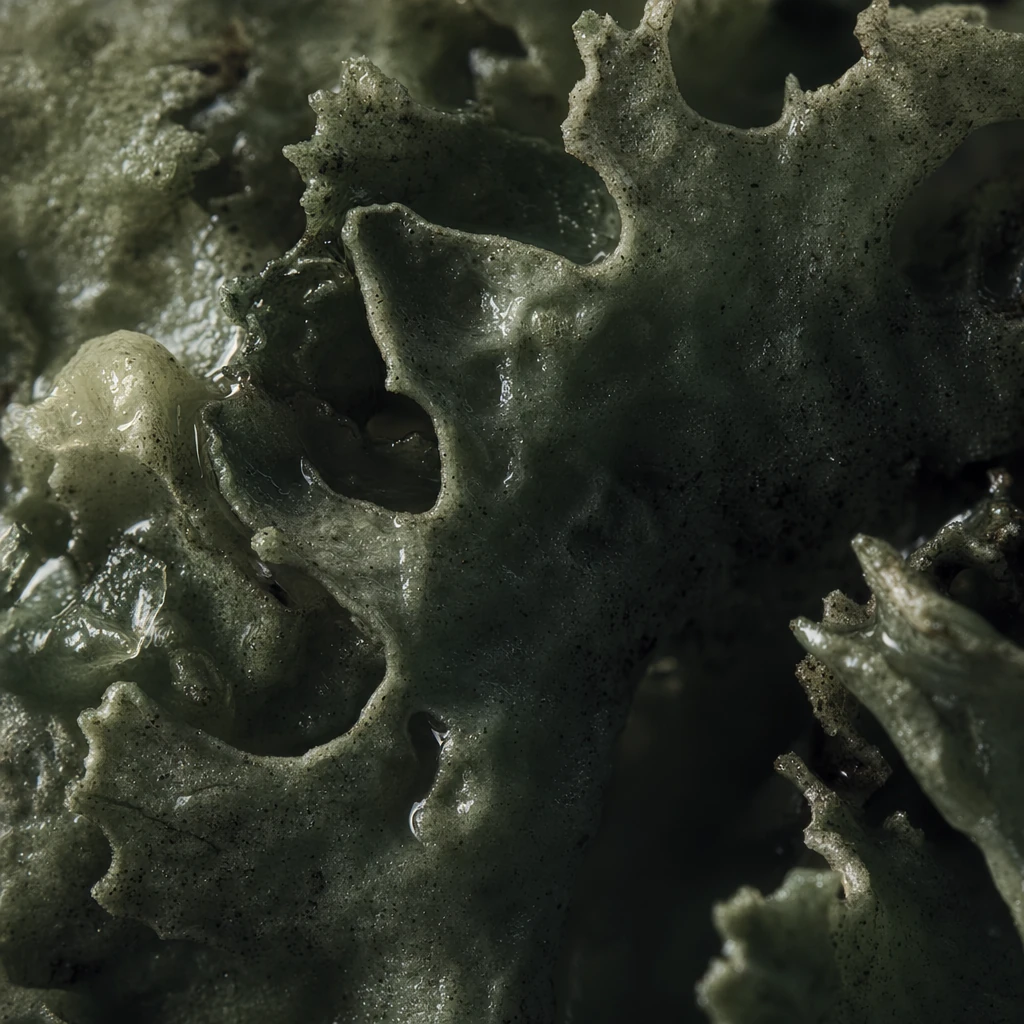
What it smells like
Bitter, grey-green, inky and faintly leathery. Oakmoss is the structural note of the chypre family. Its restriction under fragrance allergen rules is the single biggest reason a number of classic perfumes no longer smell as they once did.
Where it stops
Mossy is bitter where Earthy is sweet. It carries a dryness that pushes it toward Leather rather than toward soil.
Notes that load on it
Notes from our catalogue whose position on this facet is 0.40 or higher, strongest first. A note is not filed under one facet: it carries a value on all 34 at once, and these are the ones where this axis is doing real work.
-
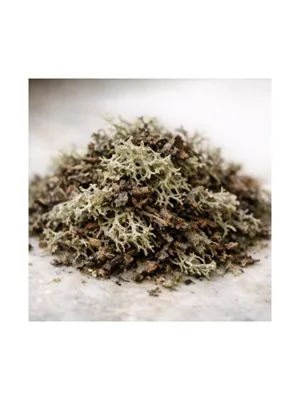 Oakmoss
Earthy
Base · ~36h
Botanical
3,350
Oakmoss
Earthy
Base · ~36h
Botanical
3,350
-
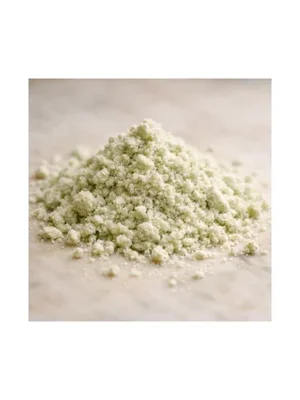 Evernyl
Base · ~36h
Molecule
13
Evernyl
Base · ~36h
Molecule
13
-
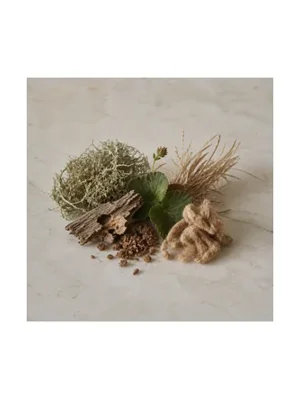 Chypre Accord
Amber
Citrus
Earthy
Base · ~24h
Abstract
Chypre Accord
Amber
Citrus
Earthy
Base · ~24h
Abstract
-
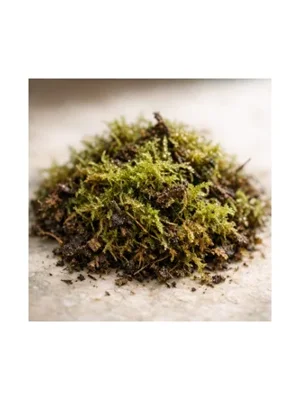 Moss
Earthy
Base · ~8h
Botanical
115
Moss
Earthy
Base · ~8h
Botanical
115
-
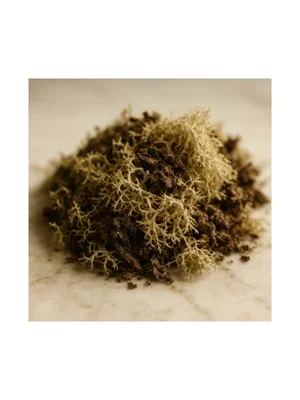 Treemoss
Earthy
Base · ~36h
Botanical
1
Treemoss
Earthy
Base · ~36h
Botanical
1
-
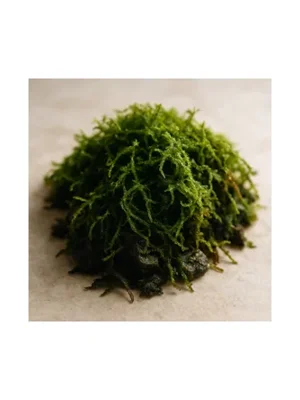 Kyoto Moss
Earthy
Green
Base · ~48h
Abstract
1
Kyoto Moss
Earthy
Green
Base · ~48h
Abstract
1
-
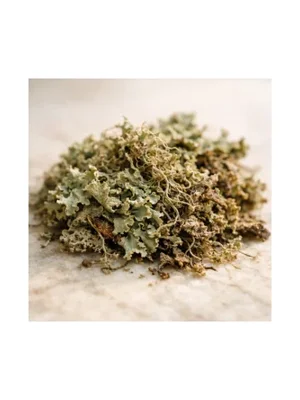 Lichen
Base · ~48h
Botanical
12
Lichen
Base · ~48h
Botanical
12
-
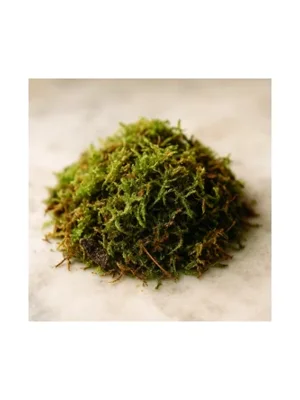 Mossy Notes
Dry Wood
Base · ~12h
Botanical
1
Mossy Notes
Dry Wood
Base · ~12h
Botanical
1
-
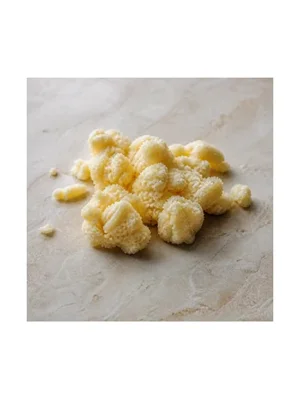 Mousse de Saxe
Leather
Powdery
Animalic
Base · ~24h
Prepared
Mousse de Saxe
Leather
Powdery
Animalic
Base · ~24h
Prepared
-
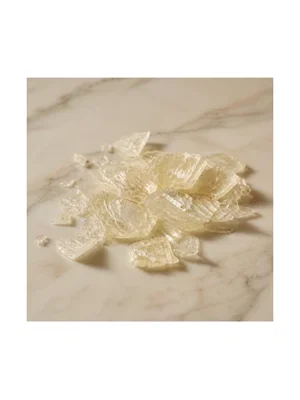 Terranol
Earthy
Dry Wood
Base · ~40h
Molecule
Terranol
Earthy
Dry Wood
Base · ~40h
Molecule
-
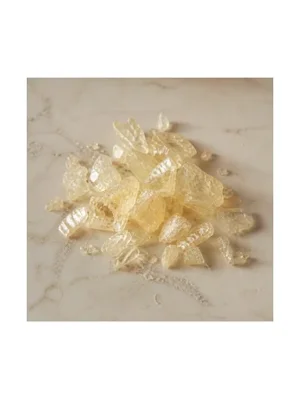 Florymoss®
Floral
Green
Base · ~10h
Molecule
Florymoss®
Floral
Green
Base · ~10h
Molecule
-
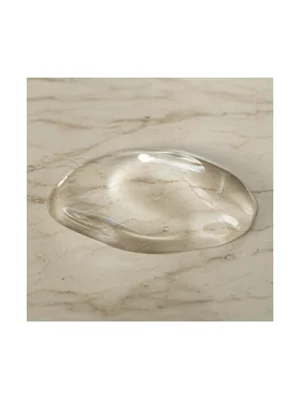 Isobutyl Quinoline
Leather
Dry Wood
Earthy
Base · ~40h
Molecule
Isobutyl Quinoline
Leather
Dry Wood
Earthy
Base · ~40h
Molecule
-
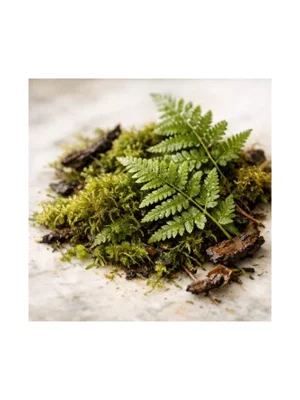 Fern
Green
Earthy
Heart · ~5h
Botanical
40
Fern
Green
Earthy
Heart · ~5h
Botanical
40
-
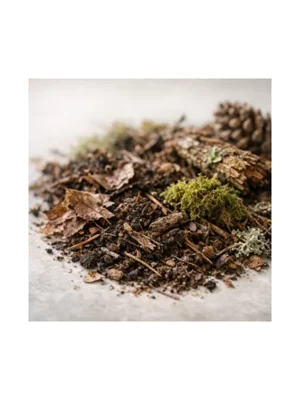 Forest Floor
Earthy
Base · ~24h
Botanical
5
Forest Floor
Earthy
Base · ~24h
Botanical
5
-
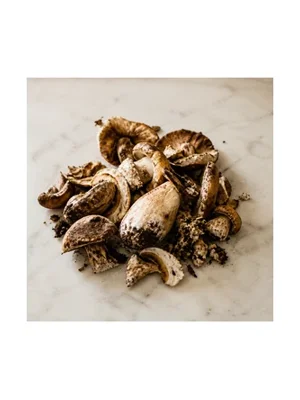 Cepes
Earthy
Green
Base · ~12h
Botanical
Cepes
Earthy
Green
Base · ~12h
Botanical
-
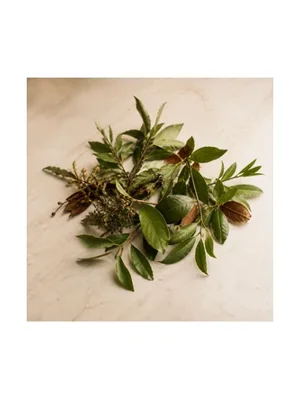 Laurissilva Forest
Earthy
Green
Base · ~10h
Botanical
Laurissilva Forest
Earthy
Green
Base · ~10h
Botanical
-
 Healingwood
Dry Wood
Earthy
Cooling
Base · ~24h
Molecule
Healingwood
Dry Wood
Earthy
Cooling
Base · ~24h
Molecule
Materials that carry it
Real substances, each keyed by its CAS registry number, that an external perfumery vocabulary publishes with a term meaning this facet outright. This is the layer that makes a facet checkable against something outside our own database.
| Material | CAS | Terms | Status |
|---|---|---|---|
| 3-methoxy-5-methylphenol | CAS 3209-13-0 | mossy, oakmoss | |
| methyl 2,4-dihydroxy-3-methylbenzoate | CAS 33662-58-7 | mossy, oakmoss | |
| methyl 2,4-dihydroxy-3,6-dimethylbenzoate | CAS 4707-47-5 | mossy, oakmoss | |
| juniperol | CAS 465-24-7 | mossy | |
| scentenal | CAS 86803-90-9 | mossy | IFRA |
| hinokitiol | CAS 499-44-5 | mossy | |
| sclareolide | CAS 564-20-5 | mossy | |
| methyl-delta-ionone | CAS 7784-98-7 | oakmoss | |
| trans-carvyl propionate | CAS 74431-24-6 | mossy | |
| beta-caryophyllene alcohol | CAS 472-97-9 | mossy | |
| 3-ethylpyridine | CAS 536-78-7 | oakmoss | |
| 2-methylundecanal | CAS 110-41-8 | mossy | |
| 1,1-diethoxydecane | CAS 34764-02-8 | mossy | |
| 4-tert-butylphenol | CAS 98-54-4 | oakmoss | IFRA |
| 2-isobutylquinoline | CAS 93-19-6 | oakmoss | |
| 6-isobutylquinoline | CAS 68198-80-1 | oakmoss | |
| 6-sec-butylquinoline | CAS 65442-31-1 | oakmoss | |
| 5-tert-butylquinoline | CAS 61702-91-8 | oakmoss | |
| 2,5-dimethyl-4-cyanoresorcinol | oakmoss | ||
| 2-hexyl-1,3-dioxolane-4-methanol | CAS 1708-35-6 | mossy | |
| [(E)-hex-2-enyl] 2-phenylacetate | CAS 68133-78-8 | mossy | |
| 2-octanol, 2,6-dimethyl-, 2-acetate | CAS 68480-08-0 | mossy | |
| 1,4,4-trimethyltricyclo[5.3.1.02,6]undecan-11-ol | CAS 56747-96-7 | mossy | |
| 3,6-dimethyl-2,4-dioxocyclohexane-1-carbonitrile | oakmoss | ||
| 4-butyl-4-hydroxy-3,5,5-trimethylcyclohex-2-en-1-one | moss | ||
| (1R,2R,4R)-1,2,3,3-tetramethylbicyclo[2.2.1]heptan-2-ol | CAS 28462-85-3 | mossy | |
| 2,2,8,8-tetramethyl-octahydro-1H-2,4a-methanonapthalen-9-ol | CAS 88644-30-8 | mossy |
Reading the two flags
Declarable means the substance appears in Annex III of the EU Cosmetics Regulation, so it has to be named on the ingredient list once it passes a concentration threshold. IFRA means an IFRA Standard restricts or prohibits its use. Both are facts about the substance, not about any fragrance: a perfume can contain a declarable material below the threshold and never print it, and a restricted material used within its limit is used correctly.
The source also supplies no common name for a large share of materials, so those display as a bare registry number and are ranked last. They are kept because they are real evidence: dropping them would make the vocabulary look better described than it is.
Anchor terms
A facet on its own is just a word we chose. An anchor is what makes it checkable: a term in an external, independently maintained vocabulary of odour descriptions, built for perfumery materials rather than for us. The material list above is drawn from the direct terms only, because a partial term corroborates too weakly to stand as evidence on its own.
Direct
Terms that mean this facet outright
- moss
- mossy
- oakmoss
Partial
Terms that lean this way but also load elsewhere
- musty
- musty, earthy, moldy
The rest of Woody & Earthy
The other facets in this family. A note can load on any of them at the same time as this one, so they are neighbours rather than alternatives.