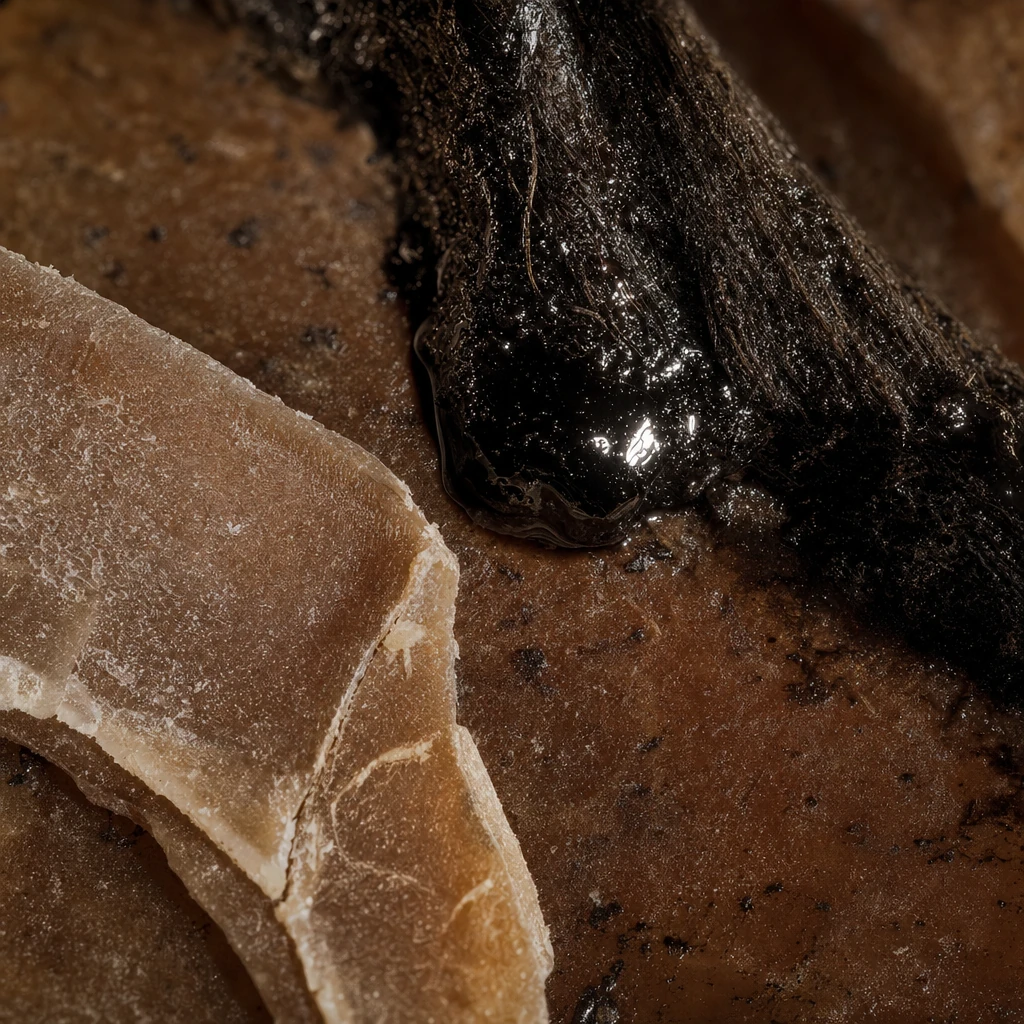
What it smells like
The odour of the phenol compound class - phenol itself, the cresols, guaiacol, creosote. It is the smell trade copy calls medicinal, tarry, carbolic, band-aid or leathery-smoky when no leather and no smoke is present: clove's eugenol backbone, peated whisky's iodine edge, the disinfectant corridor, birch tar's cresols. Admitted 2026-08-31 on the same two-sided test as waxy_fatty: 78 dossiers reported it inexpressible while the held smelling sources use it constantly - 161 dravnieks panel rows (medicinal 70, disinfectant-carbolic 51, tar 21, creosote 19), 192 tgsc, 115 leffingwell. That beats mineral's admission numbers on every column and sulphurous's on the human panel.
Where it stops
Smoky is combustion - the record of something having burned. Phenolic is a compound class, present whether or not anything ever burned. They co-occur in birch tar and lapsang souchong and neither implies the other: a hospital corridor is phenolic with no smoke; a beeswax candle's smoke is smoky with no phenol. Before this facet existed the crosswalk routed both 'phenolic' and 'medicinal' into smoky at half weight, which is how ash and antiseptic came to share a number. Eugenol stays in warm_spice - clove is scored as spice, and this facet takes only the medicinal-tar remainder a dossier actually names.
Notes that load on it
Notes from our catalogue whose position on this facet is 0.40 or higher, strongest first. A note is not filed under one facet: it carries a value on all 34 at once, and these are the ones where this axis is doing real work.
-
 Birch Tar
Smoky
Leather
Base · ~16h
Prepared
48
Birch Tar
Smoky
Leather
Base · ~16h
Prepared
48
-
 Coal Tar
Smoky
Base · ~48h
Prepared
Coal Tar
Smoky
Base · ~48h
Prepared
-
 Guaiacol
Smoky
Base · ~24h
Molecule
Guaiacol
Smoky
Base · ~24h
Molecule
-
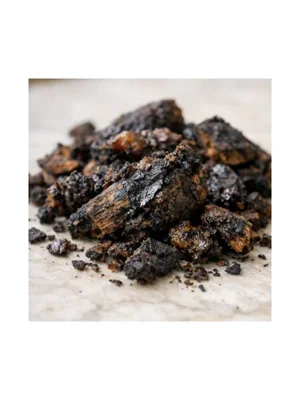 Cade
Smoky
Leather
Base · ~36h
Prepared
56
Cade
Smoky
Leather
Base · ~36h
Prepared
56
-
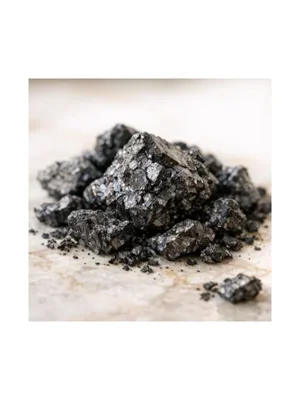 Asphalt
Smoky
Leather
Base · ~48h
Prepared
5
Asphalt
Smoky
Leather
Base · ~48h
Prepared
5
-
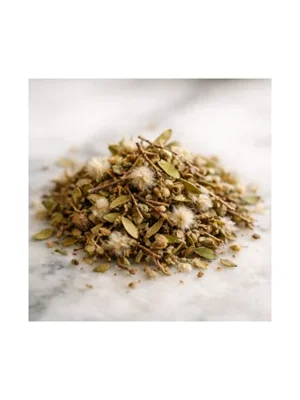 Creosote Bush
Green
Aromatic
Heart · ~4.5h
Botanical
1
Creosote Bush
Green
Aromatic
Heart · ~4.5h
Botanical
1
-
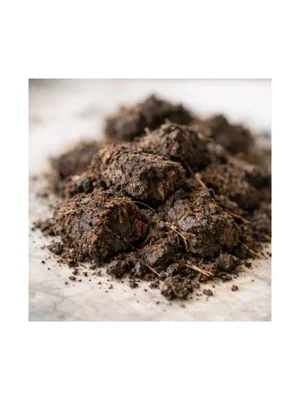 Peat
Earthy
Smoky
Mineral
Base · ~24h
Botanical
16
Peat
Earthy
Smoky
Mineral
Base · ~24h
Botanical
16
-
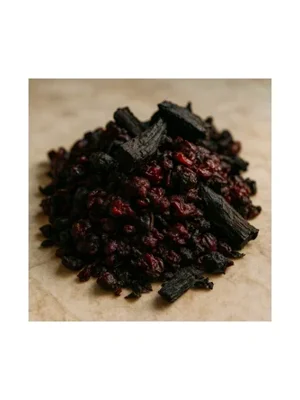 Smoked Wine
Smoky
Fruity
Heart · ~8h
Prepared
1
Smoked Wine
Smoky
Fruity
Heart · ~8h
Prepared
1
-
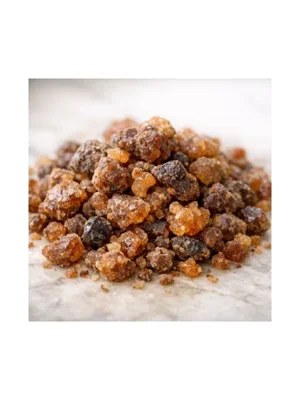 Myrrh
Amber
Earthy
Base · ~36h
Botanical
772
Myrrh
Amber
Earthy
Base · ~36h
Botanical
772
-
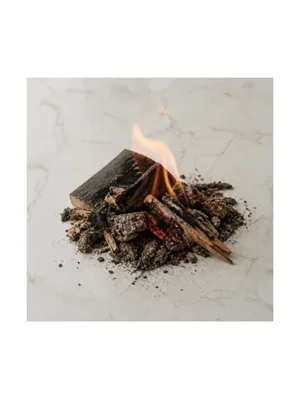 Fire
Smoky
Amber
Dry Wood
Base · ~24h
Abstract
Fire
Smoky
Amber
Dry Wood
Base · ~24h
Abstract
-
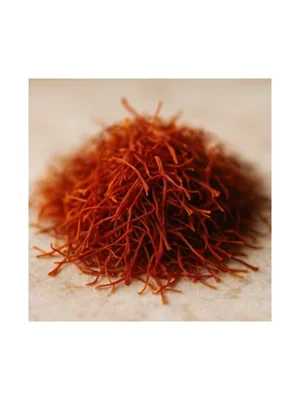 Safranal
Tobacco & Hay
Leather
Heart · ~8h
Molecule
Safranal
Tobacco & Hay
Leather
Heart · ~8h
Molecule
-
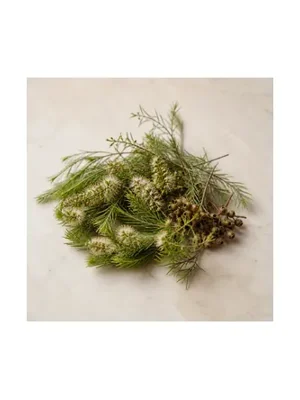 Tea Tree
Cooling
Aromatic
Heart · ~4h
Botanical
Tea Tree
Cooling
Aromatic
Heart · ~4h
Botanical
-
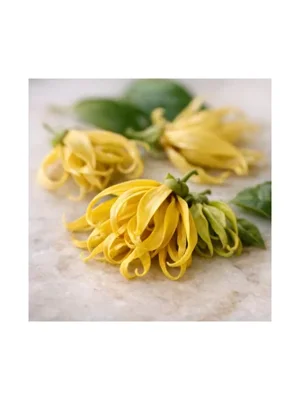 Ylang-Ylang
White Floral
Fruity
Heart · ~8h
Botanical
2,211
Ylang-Ylang
White Floral
Fruity
Heart · ~8h
Botanical
2,211
-
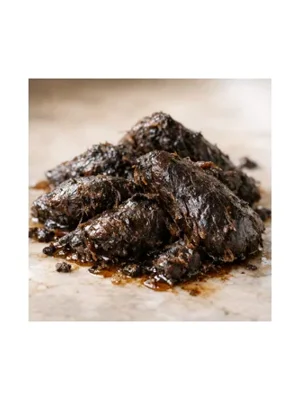 Castoreum
Leather
Animalic
Base · ~44h
Animal
194
Castoreum
Leather
Animalic
Base · ~44h
Animal
194
-
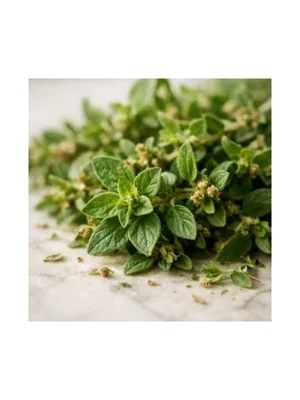 Oregano
Aromatic
Warm Spice
Heart · ~6h
Botanical
48
Oregano
Aromatic
Warm Spice
Heart · ~6h
Botanical
48
-
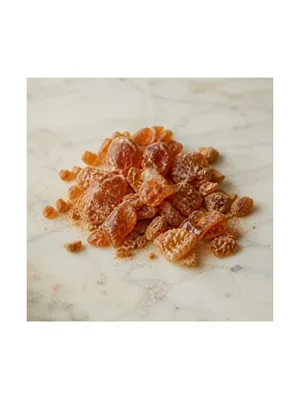 Choya Loban
Smoky
Amber
Base · ~24h
Prepared
Choya Loban
Smoky
Amber
Base · ~24h
Prepared
-
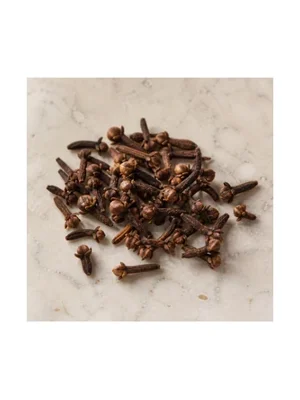 Clove Leaf
Warm Spice
Heart · ~7h
Botanical
Clove Leaf
Warm Spice
Heart · ~7h
Botanical
-
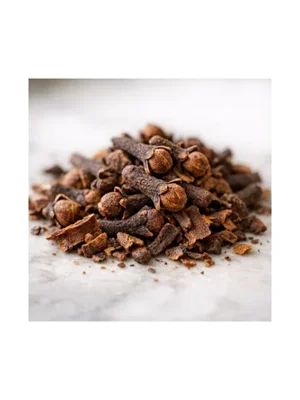 Eugenol
Warm Spice
Heart · ~8h
Molecule
Eugenol
Warm Spice
Heart · ~8h
Molecule
-
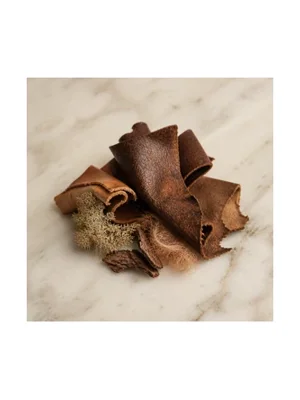 Russian Leather
Leather
Smoky
Animalic
Base · ~36h
Prepared
Russian Leather
Leather
Smoky
Animalic
Base · ~36h
Prepared
-
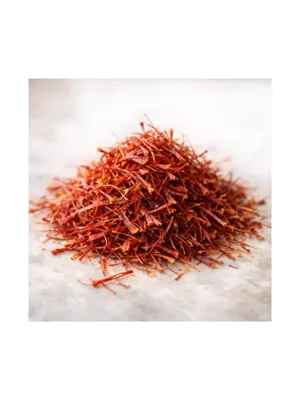 Saffron
Mineral
Leather
Tobacco & Hay
Heart · ~8h
Botanical
2,692
Saffron
Mineral
Leather
Tobacco & Hay
Heart · ~8h
Botanical
2,692
Materials that carry it
Real substances, each keyed by its CAS registry number, that an external perfumery vocabulary publishes with a term meaning this facet outright. This is the layer that makes a facet checkable against something outside our own database.
| Material | CAS | Terms | Status |
|---|---|---|---|
| thymol | CAS 89-83-8 | medicinal, phenolic | |
| guaiacol | CAS 90-05-1 | medicinal, phenolic | |
| m-cresol | CAS 108-39-4 | medicinal, phenolic | |
| o-cresol | CAS 95-48-7 | medicinal, phenolic | |
| safranal | CAS 116-26-7 | medicinal, phenolic | IFRA |
| d-camphor | CAS 464-49-3 | medicinal, phenolic | Declarable |
| phenyl acetate | CAS 122-79-2 | medicinal, phenolic | |
| phenyl benzoate | CAS 93-99-2 | phenolic, tar | IFRA |
| o-tolyl isobutyrate | CAS 36438-54-7 | medicinal, phenolic | |
| 3-carene | CAS 13466-78-9 | medicinal, phenolic | |
| 4-allylphenol | CAS 501-92-8 | medicinal, phenolic | |
| 4-vinylphenol | CAS 2628-17-3 | medicinal, phenolic | |
| 2-propylphenol | CAS 644-35-9 | medicinal, phenolic | |
| 4-propylphenol | CAS 645-56-7 | medicinal, phenolic | |
| 2-isopropylphenol | CAS 88-69-7 | medicinal, phenolic | |
| cis-2-penten-1-ol | CAS 1576-95-0 | medicinal, phenolic | |
| 2,6-dimethylphenol | CAS 576-26-1 | medicinal, phenolic | |
| 2,6-dimethoxyphenol | CAS 91-10-1 | medicinal, phenolic | |
| 4-methoxybenzoic acid | CAS 100-09-4 | medicinal, phenolic | |
| 4-ethyl-2-methoxyphenol | CAS 2785-89-9 | medicinal, phenolic | |
| 2-methoxy-4-methylphenol | CAS 93-51-6 | medicinal, phenolic | IFRA |
| 2-tert-butyl-6-methylphenol | CAS 2219-82-1 | medicinal, phenolic | |
| 2,6-dimethoxy-4-methylphenol | CAS 6638-05-7 | medicinal, phenolic | |
| nerone | CAS 31375-17-4 | phenolic | |
| phenol | CAS 108-95-2 | phenolic | |
| anisole | CAS 100-66-3 | phenolic | |
| benzoin | CAS 119-53-9 | medicinal | |
| ethanol | CAS 64-17-5 | medicinal | |
| eugenol | CAS 97-53-0 | phenolic | Declarable IFRA |
| anethole | CAS 104-46-1 | medicinal | Declarable |
Showing 30 of 169. The full set ships with the published standard rather than being paginated here.
Reading the two flags
Declarable means the substance appears in Annex III of the EU Cosmetics Regulation, so it has to be named on the ingredient list once it passes a concentration threshold. IFRA means an IFRA Standard restricts or prohibits its use. Both are facts about the substance, not about any fragrance: a perfume can contain a declarable material below the threshold and never print it, and a restricted material used within its limit is used correctly.
The source also supplies no common name for a large share of materials, so those display as a bare registry number and are ranked last. They are kept because they are real evidence: dropping them would make the vocabulary look better described than it is.
Anchor terms
A facet on its own is just a word we chose. An anchor is what makes it checkable: a term in an external, independently maintained vocabulary of odour descriptions, built for perfumery materials rather than for us. The material list above is drawn from the direct terms only, because a partial term corroborates too weakly to stand as evidence on its own.
Direct
Terms that mean this facet outright
- creosote
- cresol
- disinfectant, carbolic
- medicinal
- phenolic
- tar
Partial
Terms that lean this way but also load elsewhere
None
The rest of Woody & Earthy
The other facets in this family. A note can load on any of them at the same time as this one, so they are neighbours rather than alternatives.