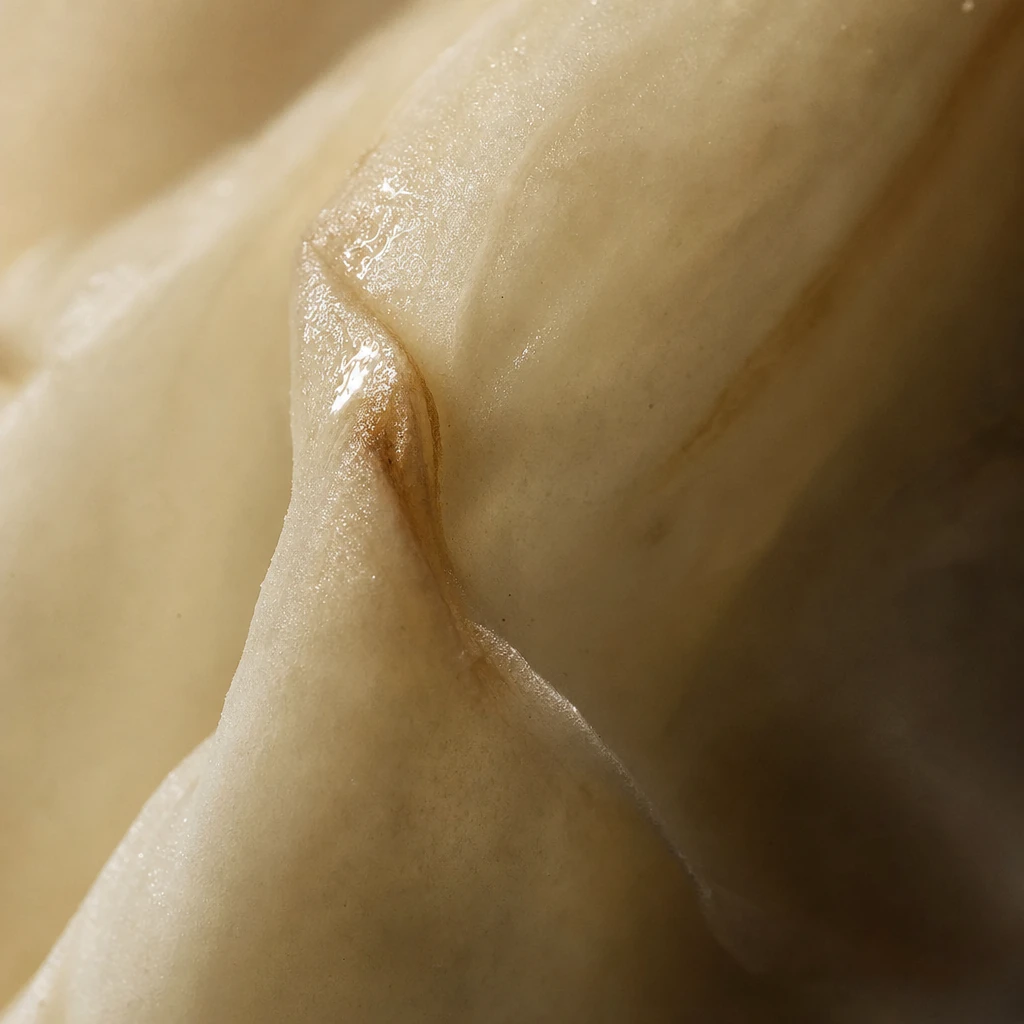
What it smells like
Jasmine, tuberose, gardenia, orange blossom, ylang ylang. These carry indole, which is faecal at strength and floral in trace. That is why they smell alive and slightly narcotic where other flowers smell pretty.
Where it stops
Indolic weight separates White Floral from Floral. A flower underneath it, rather than a body, separates it from Animalic.
Smells most like
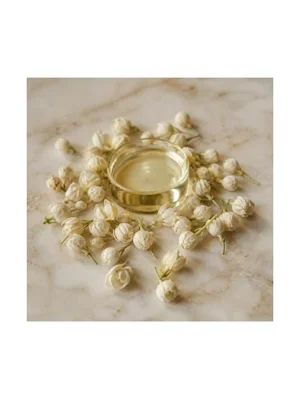
jasmine - and in the same register, white flowers, jasmine petals.
Notes that load on it
Notes from our catalogue whose position on this facet is 0.40 or higher, strongest first. A note is not filed under one facet: it carries a value on all 34 at once, and these are the ones where this axis is doing real work.
-
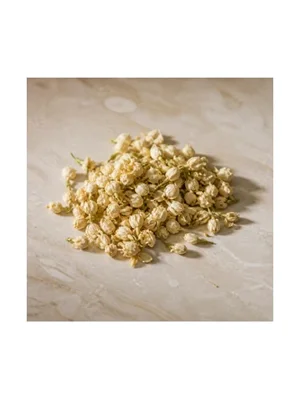 Egyptian Jasmine Absolute
Heart · ~8h
Botanical
Egyptian Jasmine Absolute
Heart · ~8h
Botanical
-
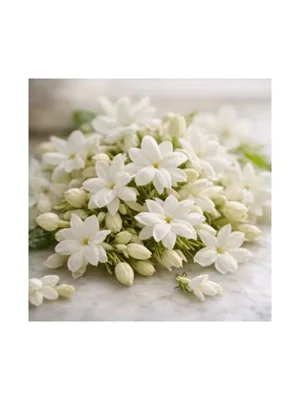 Jasmine
Animalic
Heart · ~8h
Botanical
10,557
Jasmine
Animalic
Heart · ~8h
Botanical
10,557
-
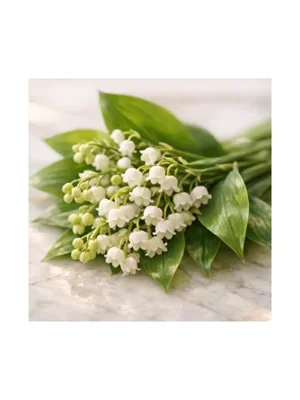 Lily of the Valley
Green
Waxy-Fatty
Floral
Heart · ~6h
Botanical
2,294
Lily of the Valley
Green
Waxy-Fatty
Floral
Heart · ~6h
Botanical
2,294
-
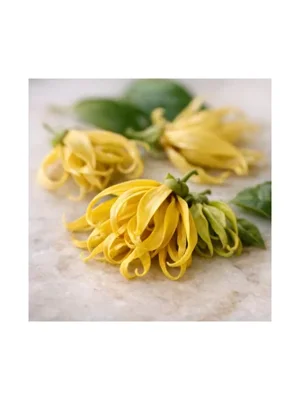 Ylang-Ylang
Phenolic
Fruity
Heart · ~8h
Botanical
2,211
Ylang-Ylang
Phenolic
Fruity
Heart · ~8h
Botanical
2,211
-
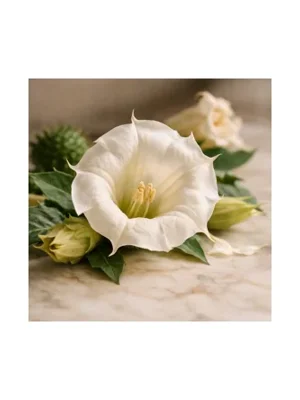 Datura
Honey
Nutty
Heart · ~5h
Botanical
50
Datura
Honey
Nutty
Heart · ~5h
Botanical
50
-
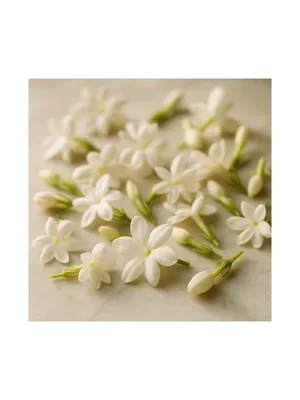 Jasmine Petals
Heart · ~8h
Botanical
3
Jasmine Petals
Heart · ~8h
Botanical
3
-
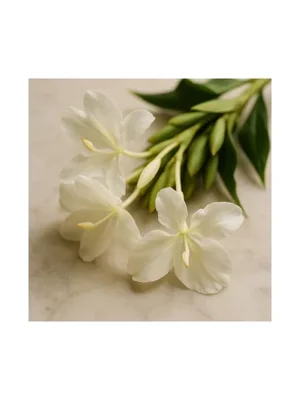 White Ginger Lily
Floral
Vanilla
Green
Heart · ~8h
Botanical
1
White Ginger Lily
Floral
Vanilla
Green
Heart · ~8h
Botanical
1
-
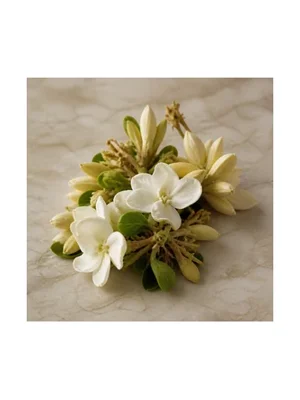 Creamy Flowers
Lactonic
Heart · ~8h
Abstract
Creamy Flowers
Lactonic
Heart · ~8h
Abstract
-
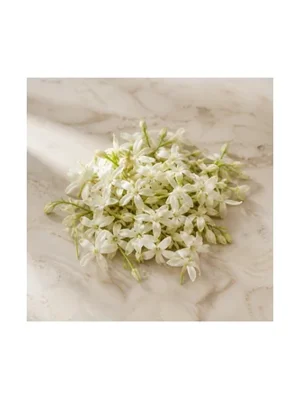 Karo-Karounde
Heart · ~8h
Botanical
Karo-Karounde
Heart · ~8h
Botanical
-
 Lilybelle®
Green
Floral
Heart · ~5h
Molecule
Lilybelle®
Green
Floral
Heart · ~5h
Molecule
-
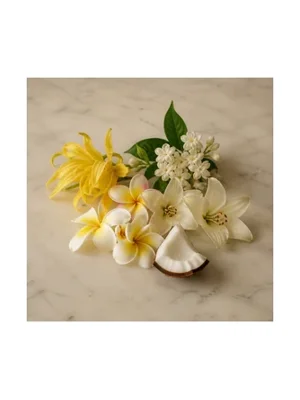 Lysylang
Tropical
Lactonic
Heart · ~7h
Prepared
Lysylang
Tropical
Lactonic
Heart · ~7h
Prepared
-
 Mugane
Floral
Green
Heart · ~6h
Molecule
Mugane
Floral
Green
Heart · ~6h
Molecule
-
 White Flowers
Heart · ~7h
Botanical
3
White Flowers
Heart · ~7h
Botanical
3
-
 Neroli
Citrus
Green
Mineral
Heart · ~6h
Botanical
1,871
Neroli
Citrus
Green
Mineral
Heart · ~6h
Botanical
1,871
-
 Tuberose
Creamy Wood
Heart · ~8h
Botanical
1,699
Tuberose
Creamy Wood
Heart · ~8h
Botanical
1,699
-
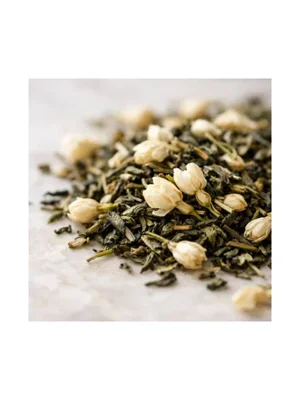 Jasmine Tea
Green
Floral
Tobacco & Hay
Heart · ~6h
Prepared
33
Jasmine Tea
Green
Floral
Tobacco & Hay
Heart · ~6h
Prepared
33
-
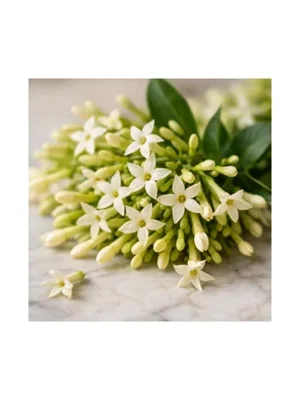 Night-Blooming Jasmine
Heart · ~8h
Botanical
31
Night-Blooming Jasmine
Heart · ~8h
Botanical
31
-
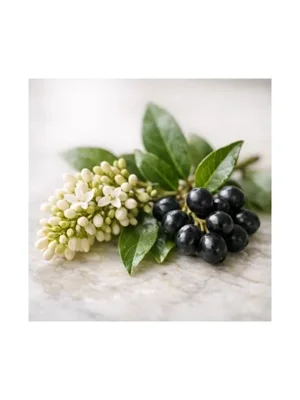 Privet
Honey
Animalic
Heart · ~8h
Botanical
2
Privet
Honey
Animalic
Heart · ~8h
Botanical
2
-
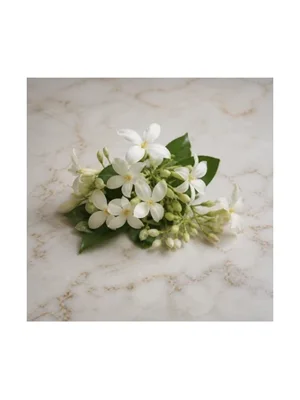 Carissa
Floral
Heart · ~6h
Botanical
Carissa
Floral
Heart · ~6h
Botanical
-
 Jasmolactone
Lactonic
Fruity
Base · ~48h
Molecule
Jasmolactone
Lactonic
Fruity
Base · ~48h
Molecule
Materials that carry it
Real substances, each keyed by its CAS registry number, that an external perfumery vocabulary publishes with a term meaning this facet outright. This is the layer that makes a facet checkable against something outside our own database.
| Material | CAS | Terms | Status |
|---|---|---|---|
| 3-acetyl-5-butyloxolan-2-one | CAS 40010-99-9 | gardenia, jasmin, tuberose | |
| 8-tricyclo[5.2.1.02,6]dec-3-enyl 2-methylpropanoate | CAS 68039-39-4 | gardenia, jasmin, tuberose | |
| hexyl angelate | CAS 65652-33-7 | gardenia, jasmin | |
| benzyl hexanoate | CAS 6938-45-0 | gardenia, jasmin | |
| linalyl benzoate | CAS 126-64-7 | tuberose, ylang | |
| p-tolyl octanoate | CAS 59558-23-5 | jasmin, ylang | |
| benzyl isoamyl ether | CAS 122-73-6 | gardenia, jasmin | |
| phenylglycol diacetate | CAS 6270-03-7 | gardenia, muguet | |
| 6-pent-3-enyloxan-2-one | CAS 32764-98-0 | jasmin, tuberose | |
| ethyl 2-methoxybenzoate | CAS 7335-26-4 | tuberose, ylang | |
| 2-(3-methylphenyl)ethanol | CAS 1875-89-4 | jasmin, muguet | |
| (r)-1-phenylethyl acetate | CAS 16197-92-5 | gardenia, jasmin | |
| 4-(2-acetoxyethoxy)toluene | CAS 6807-11-0 | gardenia, jasmin | |
| 3-pentyl-2-cyclohexen-1-one | CAS 25435-63-6 | jasmin, muguet | |
| 2-pentyl-2-cyclopenten-1-one | CAS 25564-22-1 | jasmin, tuberose | IFRA |
| 6-[(e)-pent-2-enyl]oxan-2-one | CAS 25524-95-2 | jasmin, tuberose | |
| methyl 2-cyclopentylideneacetate | CAS 40203-73-4 | tuberose, ylang | |
| 6-[(E)-dec-6-enoyl]oxydecanoic acid | CAS 85392-06-9 | gardenia, jasmin | |
| 3-methylbut-2-enyl (E)-2-methylbut-2-enoate | CAS 83783-86-2 | jasmin, ylang | |
| methyl (1r,2s)-3-oxo-2-pentylcyclopentanecarboxylate | CAS 1271488-66-4 | jasmin, muguet | |
| lyral | CAS 31906-04-4 | muguet | IFRA |
| nerol | CAS 106-25-2 | neroli | |
| phytol | CAS 7541-49-3 | jasmin | |
| decatone | CAS 34131-98-1 | gardenia | |
| farnesol | CAS 106-28-5 | muguet | |
| nootkatone | CAS 4674-50-4 | gardenia | IFRA |
| verdantiol | CAS 91-51-0 | muguet | |
| cis-jasmone | CAS 488-10-8 | jasmin | |
| dmbc formate | CAS 10058-43-2 | jasmin | |
| benzyl acetate | CAS 140-11-4 | jasmin |
Showing 30 of 211. The full set ships with the published standard rather than being paginated here.
Reading the two flags
Declarable means the substance appears in Annex III of the EU Cosmetics Regulation, so it has to be named on the ingredient list once it passes a concentration threshold. IFRA means an IFRA Standard restricts or prohibits its use. Both are facts about the substance, not about any fragrance: a perfume can contain a declarable material below the threshold and never print it, and a restricted material used within its limit is used correctly.
The source also supplies no common name for a large share of materials, so those display as a bare registry number and are ranked last. They are kept because they are real evidence: dropping them would make the vocabulary look better described than it is.
Anchor terms
A facet on its own is just a word we chose. An anchor is what makes it checkable: a term in an external, independently maintained vocabulary of odour descriptions, built for perfumery materials rather than for us. The material list above is drawn from the direct terms only, because a partial term corroborates too weakly to stand as evidence on its own.
Direct
Terms that mean this facet outright
- gardenia
- jasmin
- jasmine
- muguet
- neroli
- orange blossom
- tuberose
- ylang
Partial
Terms that lean this way but also load elsewhere
- narcissus
The rest of Floral
The other facets in this family. A note can load on any of them at the same time as this one, so they are neighbours rather than alternatives.