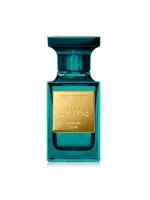

Is Al Wataniah Lazuli a dupe of Tom Ford Neroli Portofino?








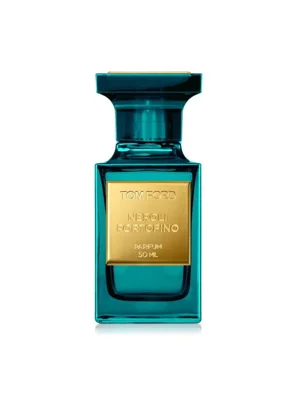 Neroli Portofino EDP
| EDP | Concentration | EDP |
| U | Gender | U |
| 2011 | Year | 2020 |
| £££££ | Price Tier | £ |
 Lazuli EDP
While both share a similar citrus-floral profile, Neroli Portofino justifies its luxury price with superior quality and longevity, delivering a nuanced, photorealistic neroli experience. Lazuli leans more synthetic and has weaker performance, but its budget-friendly price makes it appealing. The key difference lies in the depth and refinement; Neroli Portofino offers a sophisticated, long-lasting experience, while Lazuli provides a fleeting, though pleasant, approximation. If price is no object, Neroli Portofino is the clear winner. Otherwise, Lazuli offers a great value.
 →
Where they differ
Biggest gaps first. The bolder side leads.
ScentArt
How it unfolds
Notes
- Neroli Portofino
- Lazuli
- in both
Tap a note to light it in both. A+B means both have it
Which Should You Buy?
- You want a realistic, high-quality neroli scent.
- Longevity and projection are important to you.
- You appreciate the Tom Ford brand and presentation.
- You want a refined, sophisticated summer fragrance.
- You are on a tight budget.
- You want a 'clean laundry' type of scent.
- You don't mind reapplying throughout the day.
- You want a simple, inoffensive everyday fragrance.
Neroli Portofino is a classic summer fragrance that divides opinion. Some appreciate its Mediterranean freshness, others balk at the high price relative to its fleeting performance. It's an aromatic ode to a seaside holiday with invigorating citrus notes, yet struggles to justify its cost for many due to weak longevity.
This much-hyped clone punches above its price point, delivering a beautiful citrus-floral scent that screams clean. Be warned though, some find it a bit too 'soapy' or even 'laundry detergent' like, and performance can be a real mixed bag. Expect to reapply, but at this price, who cares?
Scent Profile
How They Wear
Mood
Notes
Top Notes
Top Notes
Heart Notes
Heart Notes
Base Notes
Base Notes
 Amber
34%
vs
100%
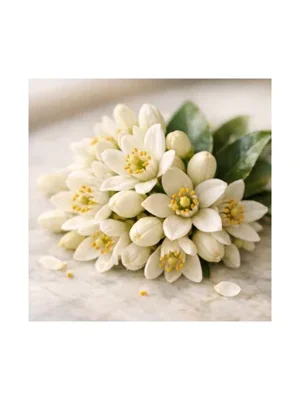 Orange Blossom
33%
vs
48%
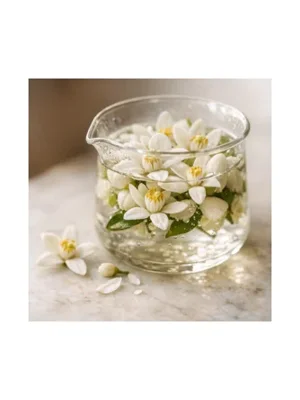 Neroli
30%
vs
51%
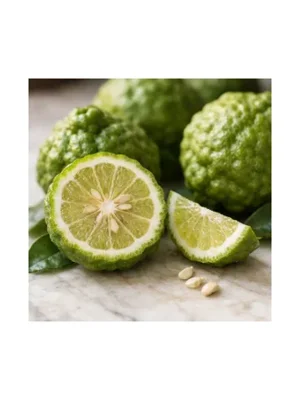 Bergamot
19%
vs
27%
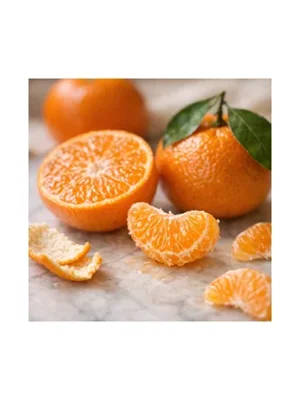 Mandarin
15%
vs
18%
 Lemon
14%
vs
30%
 Bitter Orange
14%
vs
23%
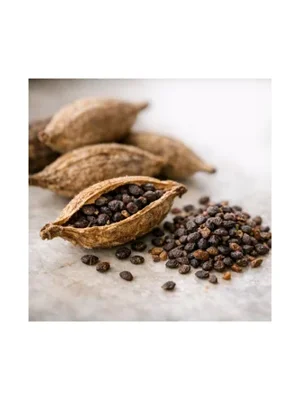 Ambrette
33%
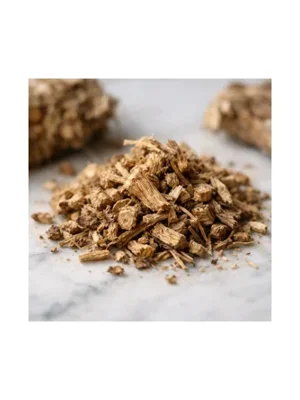 Angelica
32%
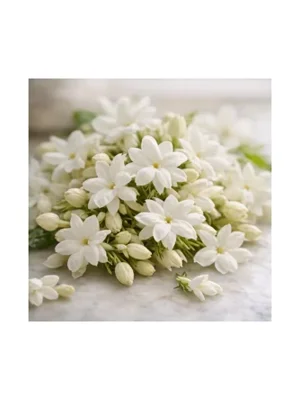 Jasmine
20%
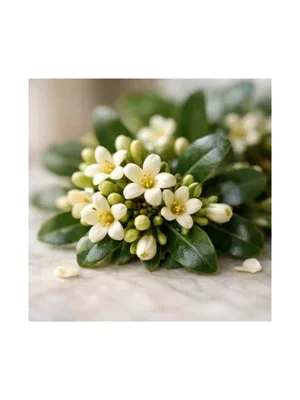 Pittosporum
17%
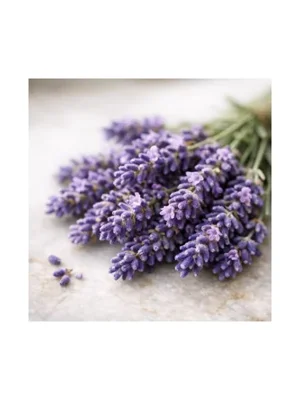 Lavender
13%
 Rosemary
12%
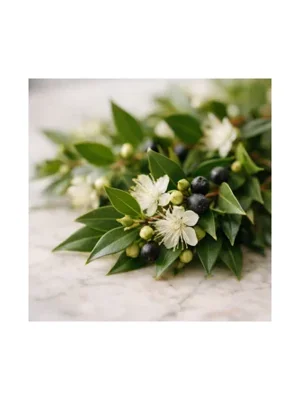 Myrtle
11%
Note weights are our estimate from each note's place in the pyramid, not the share of the formula. Brands do not publish formulations.
Performance
Season and Occasion Fit
Seasons
A warm-weather pick - at its best in summer and spring.
Occasions
The fresh citrus and floral notes and moderate performance make it suitable for casual wear and daytime dates, offering an elegant but not overly formal aura. Its short-lived sillage and moderate longevity mean it might lack the impact needed for formal occasions or sports.
Seasons
A warm-weather pick - at its best in summer and spring.
Occasions
Its clean, fresh, and often mild sillage makes it ideal for office wear and casual outings. While not traditionally a 'date night' fragrance, its appealing freshness could work for daytime dates. The lack of strong projection and formal notes makes it less suitable for dressier occasions.
Similarity Breakdown
Our estimate of how alike these two fragrances smell, calculated from their published notes. It is a position on our scale, not a measured percentage of shared smell.
Every one of its 7 notes is in the original, including Mandarin, Orange Blossom, Bergamot
Without ambrette and angelica
Where to buy
Pick a size. The two cheapest offers, then the rest.




Prices before sales tax, which the shop adds at checkout.
ScentVerdict earns a commission from purchases - this doesn't affect our verdicts.