

Country of origin: South Korea
Korean Perfume Brands
Korean perfume houses are young, clean in style and increasingly something visitors take home. Homegrown brands have multiplied in recent years, their signature is sheer, fresh, minimalist scent, and Seoul's shops report strong demand from foreign visitors. Korean houses on this page include BORNTOSTANDOUT, COYSEIO, Tamburins and near:garden.
16 houses 98 perfumes
The perfume market in South Korea
Visitors are a big part of the story. Korean fragrance sells strongly to international customers in department stores and at Olive Young, where nine of the ten fragrances that sold most to foreign customers from January to August 2026 were Korean. In Seoul's Seongsu-dong, one brand says foreigners make up about four in five shoppers at two of its stores, and visitors recommend Korean fragrances to each other online, some as gifts to take home.
The home market is young. Homegrown brands have multiplied over the last five years, competing with Korean beauty brands that also sell scent, and a K-beauty branding specialist told BeautyMatter in 2026 that the Korean fragrance market is ten years old at most. Its signature is clean, minimalist scent: sheer, fresh, aldehydic compositions with low projection. Founders describe Korean buyers as careful and price-conscious, partly because most of them first met niche perfume through global luxury groups.
The brands sell on experience. They spend heavily on their own shops, where staff in Seoul often guide shoppers through scents one group at a time, and one brand runs high-profile campaigns with K-pop stars. Some are expanding abroad, with stores in Japan, China, Thailand and New York.
In figures
- $9.23m Korean perfume exports in July 2026, the first month above $9m. Korea JoongAng Daily
- 25% rise in Lotte Department Store's sales of Korean fragrance to international customers, January to August 2026. Korea JoongAng Daily
Designer 2 houses

Niche & Independent 12 houses


BORNTOSTANDOUT
Niche South Korea 49 perfumes
Tamburins
Niche South Korea 9 perfumes
BiBiANG
Niche South Korea 1 perfume
Villa Erbatium
Indie South Korea 10 perfumes
Skybottle
Indie South Korea 3 perfumes
CONCRETED
Niche South Korea 5 perfumes
HOLIBANUM
Indie South Korea 1 perfume
INSENF
Niche South Korea 1 perfume
Bussi
Indie South Korea 1 perfume
Scentseum
Indie South Korea 5 perfumes
dosigoh
Niche South Korea 1 perfume
KST SCENT
Niche South Korea 2 perfumesOther kinds of house 2 houses

Perfume from South Korea, in numbers
Of the 98 perfumes from South Korea with a verdict, 38% are Favourites, 36% Statements and 27% Acquired. Favourite, the most common, is our mark for a broadly appealing, versatile scent.
The notes that turn up most often across 98 perfumes from South Korea, with how many of them use each:
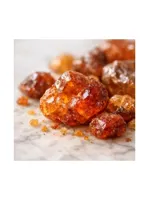
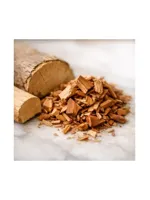
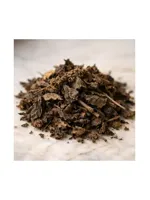
Of the 16 houses, 12 are niche or independent, 2 designer and 2 are other kinds of house, such as celebrity lines and retailers' own brands.
The 2020s were the busiest decade, with 97 launches; no other decade reaches 10. We know the launch year of 99% of these perfumes.
The houses from here that readers look up most are BORNTOSTANDOUT, Tamburins and LOE, and the most viewed perfumes are Dirty Rice Eau de Parfum by BORNTOSTANDOUT, Dirty Milk Eau de Parfum by BORNTOSTANDOUT and Oud Candy Eau de Parfum by BORNTOSTANDOUT. That is our own page views, not sales.
Questions about perfume from South Korea
Who buys Korean perfume?
Increasingly, visitors. Perfume exports passed $9m in July 2026, Korea Customs Service data show, and Seoul retailers report strong tourist demand. Olive Young said nine of the ten fragrances it sold most to international customers from January to August 2026 were Korean, and Lotte Department Store's sales of Korean fragrance to foreigners rose 25% over the same months of 2026.
What does Korean perfume smell like?
Light and quiet. A K-beauty specialist interviewed by BeautyMatter in 2026 called clean, minimalist scent the truest hallmark of Korean perfumery: sheer, fresh, aldehydic compositions with low projection. Some brands build scents around local materials and references, and the Korea Herald describes the new labels as rooted in storytelling and minimalist design.
Which houses count as being from South Korea?
Those based there, as recorded on each brand page, whatever their tier: designer, niche and independent, Arabian or anything else. A house whose country we have not recorded appears on no country page, and a house is listed once it has at least one published perfume.


