Vegan perfume: every certified brand we cover
Not every perfume is vegan: musk, civet, castoreum, ambergris, beeswax, honey, lanolin and carmine all come from animals, and "parfum" or "fragrance" on a label can cover the fragrance materials without naming them. A vegan claim is worth most when a register has checked it, so brands on a register are listed here with the register named and linked, apart from brands that only say so themselves.
Perfumes from certified vegan brands
Drawn from certified brands whose claim covers their whole range. Each perfume's page names the register and links to the listing, so you can check it yourself rather than taking our word for it.
Ambery Saffron
EDP · 2024
Dossier
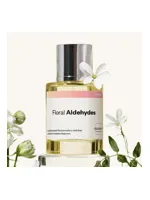
Floral Aldehydes
EDP
Dossier
Bangkok
EDP
Noted Aromas
Livorno
EDP
Noted Aromas
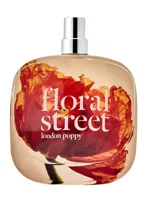
London Poppy
EDP · 2017
Floral Street
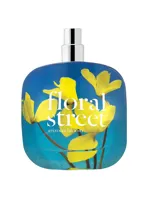
Arizona Bloom
EDP · 2020
Floral Street
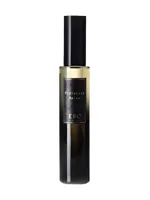
Pistachio Haiku
Extrait · 2024
Experimental Perfume Club
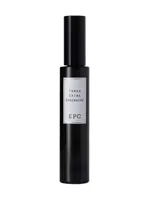
Tonka Extraordinaire
EDP · 2022
Experimental Perfume Club
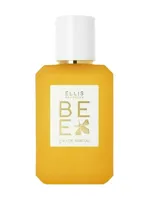
Bee
EDP · 2021
Ellis Brooklyn
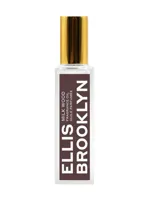
Milk Wood
EDT · 2025
Ellis Brooklyn
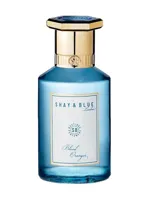
Blood Oranges
EDP · 2013
Shay & Blue London
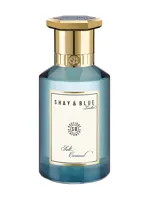
Salt Caramel
EDP · 2014
Shay & Blue London
Vegan brands we cover
Certified
Certified means a named register lists the brand, across its whole range, and we link to that listing so you can check it yourself.
Ellis Brooklyn
United States · 45 perfumes
Experimental Perfume Club
United Kingdom · 24 perfumes
Maison Louis Marie
United States · 22 perfumes
Floral Street
United Kingdom · 19 perfumes
The 7 Virtues
Canada · 19 perfumes
Recreation Beauty
Australia · 16 perfumes
Mix:Bar
United States · 15 perfumes
DedCool
United States · 14 perfumes
Xyrena
United States · 12 perfumes
Nemat International
United States · 10 perfumes
Art Brüt
Germany · 3 perfumes
Retreat
Saudi Arabia · 1 perfume
Brand-declared
Brand-declared means the brand says so on its own site and we found no third-party certification to confirm it. It is the brand's word, so it earns no badge.
Eden Perfumes
United Kingdom · 563 perfumes
Dossier
United States · 115 perfumes
Noted Aromas
United Kingdom · 110 perfumes
Lolita Lempicka
France · 59 perfumes
SMEL.
United Kingdom · 55 perfumes
Luxe Fragrances
United Kingdom · 44 perfumes
Pacifica Beauty
United States · 43 perfumes
Shay & Blue London
United Kingdom · 40 perfumes
What We Do Is Secret
France · 22 perfumes
Maya Njie
United Kingdom · 10 perfumes
Whif
Australia · 9 perfumes
Bella Bellissima
United Kingdom · 7 perfumes
AdilQadri
India · 6 perfumes
CRA-YON
Sweden · 5 perfumes
Kat Von D
United States · 4 perfumes
Kess Berlin
Germany · 2 perfumes
The other things you can check
Vegan and cruelty-free are claims a register can check. Three facts sit next to them, and each can be checked too.
-
Certified vegan
No animal-derived ingredients, confirmed by a register (PETA's
cruelty-free and vegan list) rather than by the brand itself.
Browse 1294 perfumes

-
Certified cruelty-free
A no-animal-testing policy confirmed by a register (Cruelty Free
International or PETA) rather than by the brand itself.
Browse 6962 perfumes

- Alcohol-free by format Oil and solid perfumes are made without an alcohol carrier, so we list them as alcohol-free by format. A brand's own ingredient list has the final word. Browse 9585 perfumes
Which perfume ingredients are not vegan?
Perfumery has used animal materials for centuries. The ones to know are musk (from the musk gland of male musk deer), civet (from civet cats), castoreum (from beavers), ambergris (from sperm whales), beeswax, honey, lanolin (from sheep's wool) and carmine (a red pigment from cochineal insects).
Synthetic materials now stand in for several of these. Synthetic musk is more common than the real thing, castoreum is typically synthetic, and ambroxan, the molecule behind an ambergris note, can be made from clary sage or from sugar cane. But the label does not say which route a house took, and "parfum" can cover the fragrance materials without naming them. A formula that is mostly synthetic is not the same as a formula a register has checked.
Two well-known routes to a vegan claim are The Vegan Society's trademark, which requires no animal-derived ingredients and no animal testing, and PETA's "Cruelty-Free and Vegan" logo, which is for companies whose whole product line is vegan. Every vegan claim we list names the register that issued it.
How we record a vegan claim
The two labels above, Certified and Brand-declared, are never blended, and a brand-declared claim never earns a badge. A certified claim shows when we last checked the register, because registers change.
We also never publish the negative. A brand with no row here is a brand we hold no record for, which says nothing about what is in its perfumes.
Questions about vegan perfume
How can I tell if a perfume is vegan?
Look for a vegan mark from a register, such as The Vegan Society or PETA, and open the register entry to confirm it. A "vegan" claim made only by the brand is the brand's word. For a brand you cannot find on a register, ask it for its ingredient list in writing.
Does vegan mean the same as cruelty-free?
No. Vegan covers ingredients; cruelty-free covers testing. A cruelty-free brand can still use beeswax or honey, and a perfume can be vegan in its ingredients without its brand having a testing policy. The two certifications overlap in practice, since The Vegan Society's trademark also requires no animal testing, but they are separate claims and we record them separately.
Is vegan perfume all synthetic?
No. Vegan only rules out animal-derived materials. Flowers, citrus, woods and resins are plant materials, so they are vegan. What changes is the stand-in for the animal materials: a synthetic or plant-derived molecule where a house might once have used musk or ambergris.
More on what is in the bottle
The houses behind these claims, certified and brand-declared, are gathered on one hub: ethical perfume brands.
 Cruelty-Free Perfume
Every certified cruelty-free brand we cover
 Natural Perfume
What the word actually means
 Clean Perfume
What the word actually means
 Non-Toxic Perfume
What the label actually tells you