Vegan Perfume: Every Certified Brand We Cover
Unlike "clean" or "natural", vegan means something specific: no animal-derived ingredients, so no musk, civet, castoreum, ambergris, beeswax, honey, lanolin or carmine. It is also one of the few claims in this corner of the category that somebody independent will certify, and The Vegan Society runs the register that does it.
Perfumes from certified vegan brands
Drawn from brands whose claim covers their whole range. Each perfume's page names the certifying body and links to the register, so you can check it yourself rather than taking our word for it.
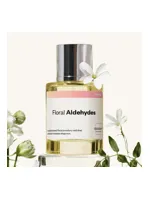
Floral Aldehydes
EDP · 2020
Dossier
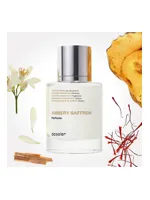
Ambery Saffron
EDP · 2024
Dossier
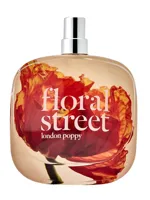
London Poppy
EDP · 2017
Floral Street
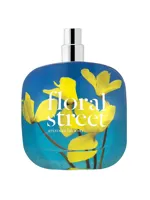
Arizona Bloom
EDP · 2020
Floral Street
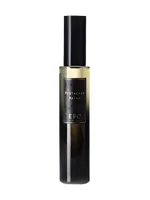
Pistachio Haiku
EDP · 2024
Experimental Perfume Club
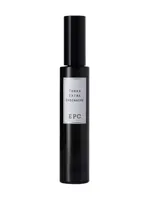
Tonka Extraordinaire
EDP · 2022
Experimental Perfume Club
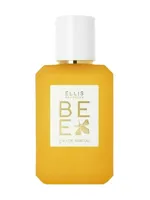
Bee
EDP · 2021
Ellis Brooklyn
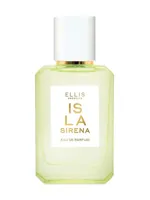
Isla Sirena
EDT · 2026
Ellis Brooklyn
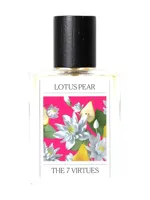
Lotus Pear
EDP · 2022
The 7 Virtues
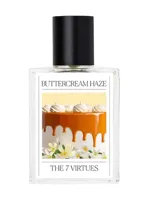
Buttercream Haze
EDT · 2025
The 7 Virtues
Salt Caramel
EDP · 2014
Shay & Blue London
Watermelons
EDP · 2015
Shay & Blue London
Vegan brands we cover
Certified
Ellis Brooklyn
Indie United States 37 perfumes
Experimental Perfume Club
Indie United Kingdom 22 perfumes
Floral Street
Niche United Kingdom 19 perfumes
The 7 Virtues
Indie Canada 13 perfumes
Maison Louis Marie
Indie United States 11 perfumes
DedCool
Indie United States 11 perfumes
Mix:Bar
Mass market United States 9 perfumes
Xyrena
Indie United States 8 perfumes
Nemat International
Indie United States 5 perfumes
Recreation Beauty
Indie Australia 4 perfumes
Art Brüt
Niche Germany 3 perfumes
The Retreat
Mass market United Kingdom 1 perfumesBrand-declared
These brands make the claim themselves. We found no third-party register listing to confirm it, so it is their word rather than an audited certification.
Eden Perfumes
Dupe house United Kingdom 563 perfumes
Dossier
Dupe house United States 110 perfumes
SMEL.
Dupe house United Kingdom 55 perfumes
Lolita Lempicka
Designer France 44 perfumes
Shay & Blue London
Niche United Kingdom 39 perfumes
Pacifica Beauty
Mass market United States 21 perfumes
Maya Njie
Niche United Kingdom 10 perfumes
What We Do Is Secret
Niche France 10 perfumes
Whif
Designer Australia 9 perfumes
AdilQadri
Arabian India 6 perfumes
Kat Von D
Celebrity United States 2 perfumes
Kess Berlin
Indie Germany 2 perfumes
CRA-YON
Niche Sweden 1 perfumesThe other things you can check
None of these words is regulated, so nobody can verify them. Three things sitting right next to them can be verified, though, and between them they cover most of what people are after when they search for one of these terms.
-
Certified vegan
No animal-derived ingredients, confirmed by a register such as The Vegan
Society rather than by the brand itself.
Browse 962 perfumes

-
Certified cruelty-free
A no-animal-testing policy audited by Leaping Bunny, Cruelty Free
International or PETA.
Browse 3972 perfumes


- Alcohol-free by format Oil and solid perfumes carry no alcohol, because those formats have no alcohol carrier. Nothing to take on trust. Browse 644 perfumes
What makes a perfume not vegan
Perfumery has used animal materials for centuries and a few are still in circulation: musk (deer), civet, castoreum (beaver), ambergris (whale), beeswax, honey, lanolin and carmine. Most modern houses reach for synthetic reconstructions of the first four, partly on ethics and partly because the synthetics cost less and behave the same way batch after batch. But "mostly synthetic" will not get a brand onto a vegan register, and in any case there is nothing on the bottle that tells you which way a given formula went.
Hence the register. A brand carrying The Vegan Society's trademark has had its ingredients and its testing policy checked against a published standard, instead of deciding for itself what the word ought to mean.
How we record a vegan claim
Two tiers, and we never blend them. A certified claim has a third-party register behind it, so we name the body that issued it and link straight to the listing; you can check us rather than trust us. A brand-declared claim is the brand saying so on its own site with nothing independent behind it. We publish those too, attributed to whoever said it, but they never earn a badge.
We also never publish the negative. A brand with no row here is a brand we hold no record for, which is a very different thing from one whose perfumes contain animal ingredients. Most brands have never applied to any register.
Common questions
Does vegan mean the same as cruelty-free?
No. Vegan covers ingredients; cruelty-free covers testing. A cruelty-free brand can still use beeswax or honey, and in principle a vegan formula could come from a company that tests on animals. Two separate claims, recorded separately.
Is vegan perfume all synthetic?
Largely, and that is the point of it rather than a compromise. Synthetic musks stand in for deer musk, and the modern ambergris and castoreum substitutes come out of a laboratory. Most flower and citrus naturals are vegan anyway, so in practice vegan perfumery is a mix that happens to rule out a handful of animal-derived materials.
Which animal ingredients turn up in perfume?
Musk from deer, civet, castoreum from beaver, ambergris from sperm whales, plus beeswax, honey, lanolin and carmine. The first four are now overwhelmingly synthetic in commercial perfumery, for cost and consistency as much as ethics - but "usually synthetic" is not the same as "certified vegan".