Cruelty-Free Perfume: Every Certified Brand We Cover
A perfume is cruelty-free when its brand and its suppliers do no animal testing at any stage, but nothing on the box proves it: in the US the FDA says "cruelty free" has no legal definition. What counts is a register. Cruelty Free International, whose approval programme is long known as Leaping Bunny, requires independent audits, and PETA's list rests on a signed statement from the company.
Perfumes from certified cruelty-free brands
Drawn from certified brands whose claim covers their whole range. Each perfume's page names the register and links to the listing, so you can check it yourself rather than taking our word for it.
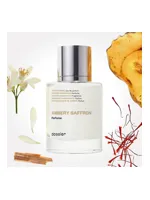
Ambery Saffron
EDP · 2024
Dossier
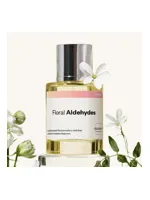
Floral Aldehydes
EDP
Dossier

Eilish No. 2
EDP · 2022
Billie Eilish

Aventus 200 Plus
EDP
The Essence Vault

Alien
EDP
The Essence Vault

Black Musk
EDP · 2015
The Body Shop

White Musk
EDT · 1981
The Body Shop

Bangkok
EDP
Noted Aromas

Livorno
EDP
Noted Aromas

Island Dreams
EDP · 2025
Khadlaj Perfumes

Island
Extrait · 2024
Khadlaj Perfumes

Midnight Nymph
Extrait
Oakcha
Browse all 6346 cruelty-free perfumes
Cruelty-free brands we cover
Certified
Certified means a named register lists the brand, across its whole range, and we link to that listing so you can check it yourself.

Avon
Mass market United States 644 perfumes
Eden Perfumes
Dupe house United Kingdom 563 perfumes
Natura
Mass market Brazil 326 perfumes
Lush
Retailer United Kingdom 147 perfumes
The Body Shop
Mass market United Kingdom 130 perfumes
Primark
Retailer Ireland 65 perfumes
Korres
Mass market Greece 62 perfumes
Molton Brown
Designer United Kingdom 62 perfumes
Ellis Brooklyn
Indie United States 45 perfumes
philosophy
Mass market United States 36 perfumes
Helan
Mass market Italy 26 perfumes
Experimental Perfume Club
Indie United Kingdom 24 perfumes
Atelier Rebul
Niche Turkey 22 perfumes
Maison Louis Marie
Indie United States 22 perfumes
Superdrug
Retailer United Kingdom 21 perfumes
Mendittorosa
Niche Italy 21 perfumes
Floral Street
Niche United Kingdom 19 perfumes
The 7 Virtues
Indie Canada 19 perfumes
Aēsop
Designer Australia 16 perfumes
Mix:Bar
Mass market United States 15 perfumes
DedCool
Indie United States 14 perfumes
Benefit
Designer United States 12 perfumes
Xyrena
Indie United States 12 perfumes
Caswell-Massey
Retailer United States 10 perfumes
Nemat International
Indie United States 10 perfumes
NOYZ
Indie United States 9 perfumes
Scent-Organix
Mass market United States 4 perfumes
Recreation Beauty
Indie Australia 4 perfumes
Jessica McClintock
Designer United States 4 perfumes
Art Brüt
Niche Germany 3 perfumes
Liz Earle
Designer United Kingdom 2 perfumes
DAISE
Mass market New Zealand 2 perfumes
Cher
Celebrity United States 2 perfumes
Catrice
Mass market Germany 2 perfumes
Castelbel
Niche Portugal 1 perfume
The Retreat
Mass market United Kingdom 1 perfumeBrand-declared
Brand-declared means the brand says so on its own site and we found no third-party certification to confirm it. It is the brand's word, so it earns no badge.

The Dua Brand
Dupe house United States 544 perfumes
O Boticário
Mass market Brazil 390 perfumes
The Essence Vault
Dupe house United Kingdom 298 perfumes
Oakcha
Dupe house United States 293 perfumes
Alexandria UK
Dupe house United Kingdom 226 perfumes
Blossom Perfumery
Dupe house United Kingdom 183 perfumes
Jubilee Scents
Dupe house United Kingdom 116 perfumes
Dossier
Dupe house United States 115 perfumes
Yardley London
Mass market United Kingdom 110 perfumes
Noted Aromas
Dupe house United Kingdom 110 perfumes
Khadlaj Perfumes
Arabian United Arab Emirates 109 perfumes
Aromers
Dupe house United Kingdom 94 perfumes
Miller Harris
Niche United Kingdom 77 perfumes
Floris London
Designer United Kingdom 74 perfumes
The Saltworks Company
Niche United Kingdom 61 perfumes
SMEL.
Dupe house United Kingdom 55 perfumes
Inspired Oil Perfumes
Dupe house United Kingdom 52 perfumes
Heretic Parfum
Indie United States 47 perfumes
BellaVita
Mass market India 46 perfumes
Tokyo Milk Parfumerie Curiosite
Niche United States 44 perfumes
Luxe Fragrances
Dupe house United Kingdom 44 perfumes
Pacifica Beauty
Mass market United States 43 perfumes
Shay & Blue London
Niche United Kingdom 40 perfumes
Snif
Indie United States 40 perfumes
Nicholas Charles Fragrances
Dupe house United Kingdom 39 perfumes
Michel Germain
Niche Canada 38 perfumes
Skylar
Indie United States 36 perfumes
MATCH Perfumes
Dupe house United Kingdom 30 perfumes
Rosa Salas
Dupe house United Kingdom 29 perfumes
Dupe Perfumes
Dupe house United Kingdom 29 perfumes
Annayake
Designer France 28 perfumes
Fragrance Locker
Dupe house United Kingdom 27 perfumes
Dame Perfumery
Indie United States 25 perfumes
One Pure Drop
Dupe house United Kingdom 21 perfumes
New Notes
Niche Italy 20 perfumes
Rook Perfumes
Indie United Kingdom 20 perfumes
Gallivant
Indie United Kingdom 19 perfumes
Ciclo Cosméticos
Mass market Brazil 19 perfumes
Good Chemistry
Mass market United States 18 perfumes
Botanicae Expressions
Niche Spain 18 perfumes
Henry Rose
Celebrity United States 17 perfumes
Abbey Perfumery
Indie United Kingdom 15 perfumes
ESSNCE
Mass market Sweden 15 perfumes
Lake & Skye
Indie United States 14 perfumes
Abel
Niche New Zealand 14 perfumes
Ortigia Sicilia
Niche Italy 13 perfumes
Brown Girl Jane
Indie United States 13 perfumes
Pinrose
Indie United States 12 perfumes
Geparlys Parfums
Niche France 11 perfumes
Sand + Fog
Mass market United States 11 perfumes
Maya Njie
Niche United Kingdom 10 perfumes
Prosody London
Niche United Kingdom 9 perfumes
Whif
Designer Australia 9 perfumes
Son Venïn
Niche Norway 9 perfumes
Ôrəbella
Celebrity United States 9 perfumes
Free Yourself
Indie United States 9 perfumes
Ruth Mastenbroek
Niche United Kingdom 9 perfumes
Perlier
Mass market Italy 8 perfumes
MALIN+GOETZ
Niche United States 8 perfumes
Billie Eilish
Celebrity United States 7 perfumes
Bella Bellissima
Niche United Kingdom 7 perfumes
AdilQadri
Arabian India 6 perfumes
Asēdos
Indie Australia 6 perfumes
Laboratory Perfumes
Niche United Kingdom 6 perfumes
Olfiction
Indie United Kingdom 6 perfumes
YCZ
Mass market United States 6 perfumes
Maison Mataha
Niche France 6 perfumes
Parterre Fragrances
Niche United Kingdom 5 perfumes
CRA-YON
Niche Sweden 5 perfumes
Sirvan Perfumes
Indie Australia 5 perfumes
BADREPUTATION
Designer France 4 perfumes
Casa Amalfi
Niche Italy 4 perfumes
XYRCLE
Indie Indonesia 4 perfumes
Old Spice
Mass market United States 4 perfumes
Kat Von D
Celebrity United States 4 perfumes
Rare Beauty
Celebrity United States 4 perfumes
Atenai London
Indie United Kingdom 3 perfumes
Exceptional Parfums
Mass market United States 3 perfumes
BEYOUNG
Designer 3 perfumes
Elysian Parfum
Indie United States 3 perfumes
Nature Blossom
Mass market Germany 3 perfumes
Mahajan Perfumes
Indie United States 2 perfumes
Kess Berlin
Indie Germany 2 perfumes
GROVE England
Indie United Kingdom 2 perfumes
ARRAN Sense of Scotland
Indie United Kingdom 2 perfumes
Statik Olfactive
Indie United States 2 perfumes
Kate Walsh
Celebrity United States 2 perfumes
Maher Olfactive
Indie United States 1 perfume
Cake Beauty
Mass market Canada 1 perfume
Paradise Perfumes & Gems
Retailer United Kingdom 1 perfume
Cirque du Soleil
Indie Canada 1 perfume
NeuroScent
Indie United Kingdom 1 perfume
Zeitun
Mass market Russia 1 perfume
Mendes Perfumes
Designer Egypt 1 perfume
Melanie Martinez
Celebrity United States 1 perfume
AR Fragrances
Arabian United Kingdom 1 perfume
Maison de l'Avenir
Niche United Arab Emirates 1 perfume
GUY FOX
Indie United States 1 perfumeThe other things you can check
Vegan and cruelty-free are claims a register can check. Three facts sit next to them, and each can be checked too.
-
Certified vegan
No animal-derived ingredients, confirmed by a register (PETA's
cruelty-free and vegan list) rather than by the brand itself.
Browse 1282 perfumes

-
Certified cruelty-free
A no-animal-testing policy confirmed by a register (Cruelty Free
International or PETA) rather than by the brand itself.
Browse 6346 perfumes

- Alcohol-free by format Oil and solid perfumes are made without an alcohol carrier, so we list them as alcohol-free by format. A brand's own ingredient list has the final word. Browse 1987 perfumes
Is perfume cruelty-free?
That depends on the brand rather than the bottle. Cruelty-free is a testing policy: no animal testing of the finished product, the ingredients or the formulation, by the brand or anyone acting for it. It applies across a whole company rather than to one perfume, which is why we hold the claim against the brand. It covers testing rather than ingredients, so a cruelty-free perfume can still contain beeswax or honey.
Who certifies it, and how do they differ?
Two registers feed this page, and they work differently. The Cruelty Free International approval programme, long known by its Leaping Bunny logo, requires a fixed cut-off date after which no animal testing is permitted, a check of the supply chain down to ingredient level, annual independent audits, and the same criteria in every market.
PETA's cruelty-free list, formerly called Beauty Without Bunnies, rests on a legally binding statement of assurance signed by the company's CEO, saying that the company and its ingredient suppliers do no animal testing, together with agreements with those suppliers. Both are third-party registers and we record both. We always name the one that issued the claim, so you can weigh them.
How we record a cruelty-free claim
The two labels above, Certified and Brand-declared, are never blended, and a brand-declared claim never earns a badge. A certified claim links to the listing and shows when we last checked it. Registers change, and a brand that drops off one loses its badge here too.
And we never publish the negative. No row means no record on our side; it does not mean a brand tests on animals. That would be a serious thing to say about a named company on evidence we do not have.
Common questions
Is Leaping Bunny the same as Cruelty Free International?
Cruelty Free International launched the Leaping Bunny logo in 1996 and now calls its scheme the Cruelty Free International Approval Programme, with a new logo. It says the criteria have not changed, and some brands still show the Leaping Bunny logo. A separate programme for companies based in the US and Canada also uses the Leaping Bunny name, with its own register and standard.
Is Cruelty Free International stricter than PETA's list?
The published processes differ. Cruelty Free International requires annual independent audits; PETA asks for a signed statement of assurance and supplier agreements. Both are third-party registers, and we name the body on every claim so you can decide how much weight to give it.
Is cruelty-free a legal term?
In the US, no. The FDA says "cruelty free" and "not tested on animals" have no legal definitions, and some companies apply them only to the finished product. In the UK, a cosmetic cannot be sold if its formulation or ingredients were animal-tested to meet the cosmetics rules, and the EU has the same ban. A register asks for more than the law does: Cruelty Free International says its criteria go over and above the laws on animal testing.
Are cruelty-free perfumes vegan too?
Not necessarily. Cruelty-free is a testing policy; vegan is about ingredients. Cruelty Free International says its programme focuses on animal testing, and a certified cruelty-free perfume can still contain beeswax or honey. Where a brand holds both claims, both appear on its perfume pages.