


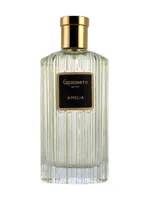
Amelia
EDP
Grossmith
Favourite

A family-owned British house reviving complex floral-amber perfumes from its 1835 London heritage
Grossmith is a British heritage perfume house founded in the City of London in 1835 by John Grossmith. His son, John Lipscomb Grossmith, built it into an influential perfume and toiletries maker with a factory in Grasse and a London laboratory at 29 Newgate Street. The founder won a prize medal at the Great Exhibition of 1851, and the house was patronised by three generations of British royalty.
The old firm lost its premises in 1940, drifted into novelty soaps and stopped trading in the early 1980s, leaving a dormant company. Simon Brooke, a great-great grandson of the founder, found the connection through genealogy. In 2006 he and his wife Amanda revived the house, working from two surviving formula books, antique samples and the French perfume maker Robertet. The business is now owned and run by the fifth and sixth generations of the family.
The current range has ten fragrances in three collections. The Classic Collection remasters Hasu-no-Hana (1888), Phul-Nana (1891) and Shem-el-Nessim (1906). The Royal Collection marks royal occasions: Betrothal, Diamond Jubilee Bouquet and King's Salute. The modern Black Label Collection has Floral Veil, Amelia, Golden Chypre and Saffron Rose. Sylvan Song is made exclusively for Fortnum & Mason. The style is rich, complex floral amber rather than single-flower simplicity.
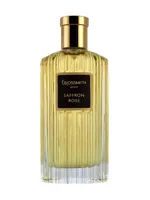
Grossmith sits in luxury niche perfumery. Saffron Rose eau de parfum is GBP 230 for 50 ml and GBP 330 for 100 ml. The perfumes are bottled and packed by hand in the Cotswolds. In the UK they are sold on the brand site and through partners such as Fortnum & Mason and Les Senteurs. It suits wearers who like ornate, historically rooted florals.
A niche, luxury house known for floral compositions.
The original house ran from 1835 until it stopped trading in the early 1980s. The family revived it from 2006 and remastered three classics with Robertet. Royal and Black Label collections followed, with ten fragrances in the range today.
A serious heritage house for people who want ornate, historically rooted florals rather than easy modern crowd-pleasers. The Classic Collection is the purest entry; the Black Label perfumes are the easiest to wear today.
Favourite - easy to wear anywhere · Statement - bold & distinctive · Acquired - bold, for fewer occasions
EDP
Grossmith
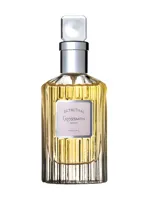
EDP
Grossmith
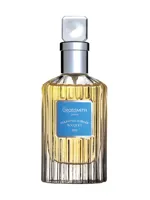
EDP
Grossmith
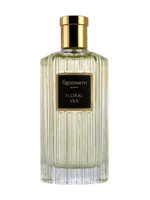
EDP
Grossmith
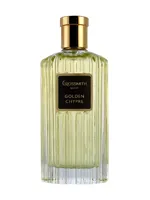
EDP
Grossmith
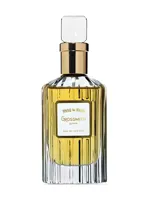
EDP
Grossmith
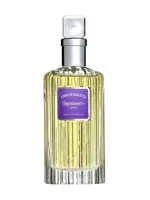
EDP
Grossmith
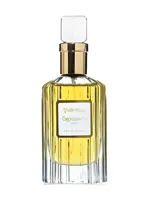
EDP
Grossmith
EDP
Grossmith
EDP
Grossmith
New finds, honest verdicts, and price drops.
No spam. Unsubscribe anytime. See our privacy policy.