

Is Zimaya A La Rose a dupe of Kilian Good Girl Gone Bad?








 Good Girl Gone Bad EDP
| EDP | Concentration | EDP |
| F | Gender | F |
| 2012 | Year | 2023 |
| $$ | Price Tier | $ |
 A La Rose EDP
While both share prominent floral and fruity notes, Good Girl Gone Bad offers a richer, more complex experience with its creamy tuberose and luxurious feel. A La Rose leans simpler and fresher, although some find it cloying. The key difference lies in the perceived quality and depth: Kilian uses higher-end ingredients for a smoother blend, while Zimaya offers a more affordable, albeit less refined, alternative. If you prioritize a sophisticated, attention-grabbing scent, Kilian is the clear winner. For a budget-conscious, everyday option, A La Rose might suffice, but be prepared for potential performance inconsistencies.
 →
Where they differ
Biggest gaps first. The bolder side leads.
ScentArt
How it unfolds
Notes
- Good Girl Gone Bad
- A La Rose
- in both
Tap a note to light it in both. A+B means both have it


Which Should You Buy?
- You want a long-lasting, high-quality fragrance.
- You appreciate a luxurious and complex scent profile.
- You enjoy creamy tuberose and rich white florals.
- You don't mind paying more for a signature scent.
- You're on a tight budget and want a floral scent.
- You prefer lighter, fresher interpretations of rose.
- You want a fragrance for casual, everyday wear.
- You like to experiment with affordable fragrances.
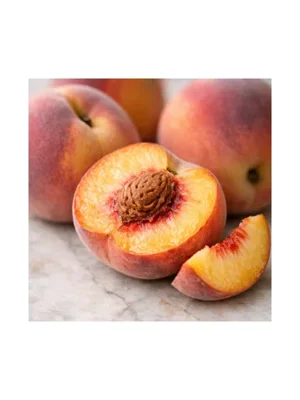
White florals with the sugar and the shadows left in: tuberose, jasmine and narcissus over peach, then amber and sandalwood. A long-lasting floral for an evening out, a touch too much for the office.
A soft rose and jasmine floral lifted by nectarine and freesia, drying to creamy tuberose, sandalwood and musk with a powdery trail. Light enough for daytime, as long as you keep the sprays modest.
Scent Profile
How They Wear
Mood
Notes
Top Notes
Heart Notes
Heart Notes
Base Notes
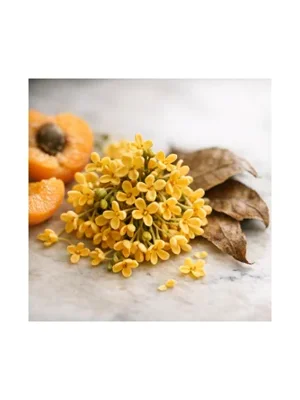 Osmanthus
11%
vs
13%
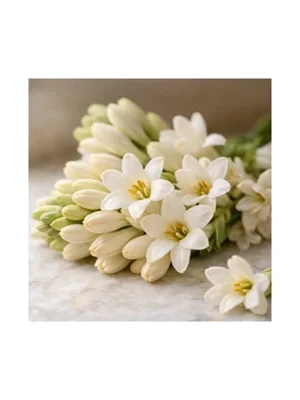 Tuberose
10%
vs
12%
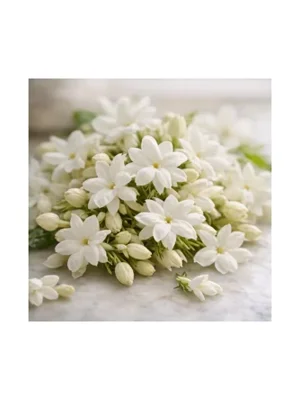 Jasmine
6%
vs
9%
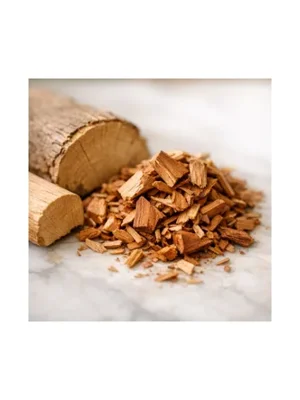 Sandalwood
4%
vs
7%
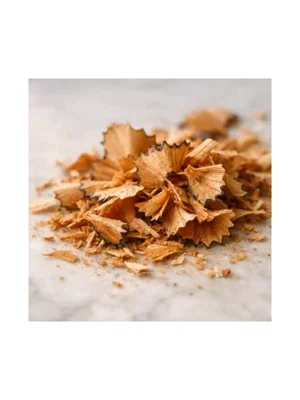 Cedar
4%
vs
7%
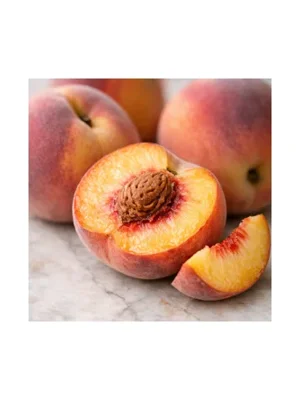 Peach
15% share of the perfume
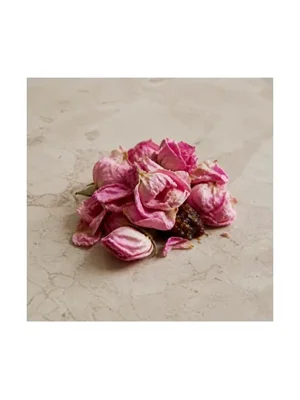 Grasse Rose Absolute
8% share of the perfume
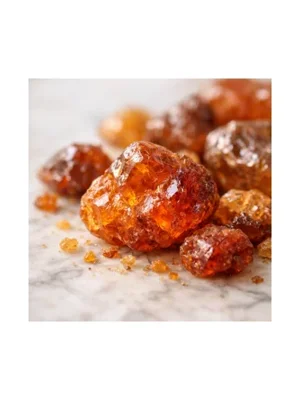 Amber
8% share of the perfume
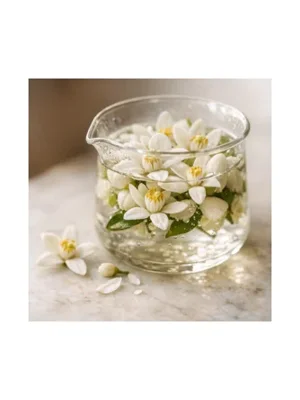 Neroli
6% share of the perfume
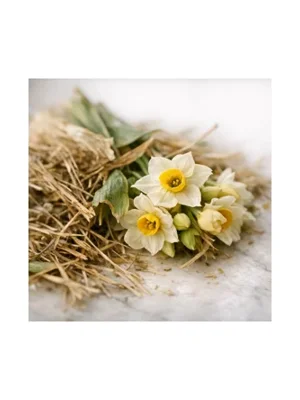 Narcissus
6% share of the perfume
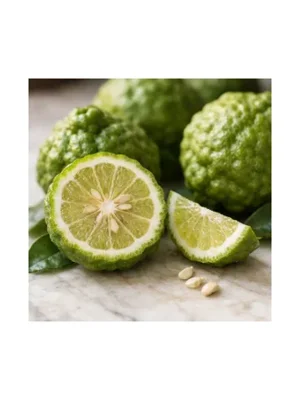 Bergamot
5% share of the perfume
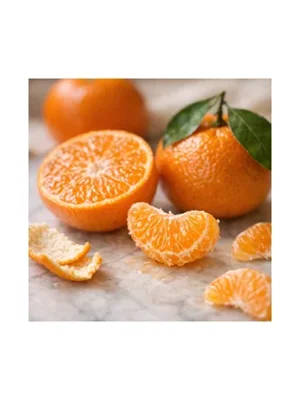 Mandarin
5% share of the perfume
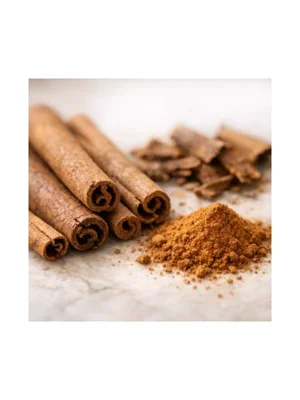 Cinnamon
4% share of the perfume
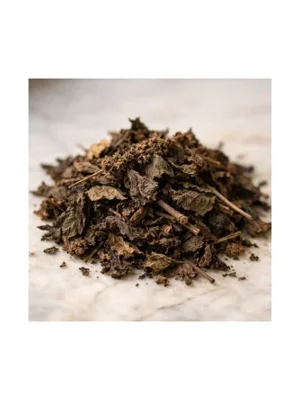 Patchouli
4% share of the perfume
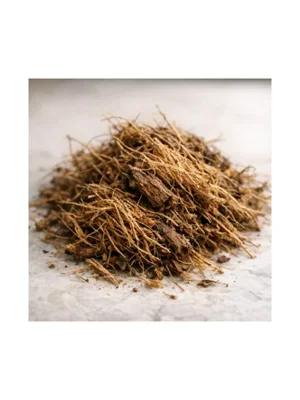 Vetiver
3% share of the perfume
 Rose
14% share of the perfume
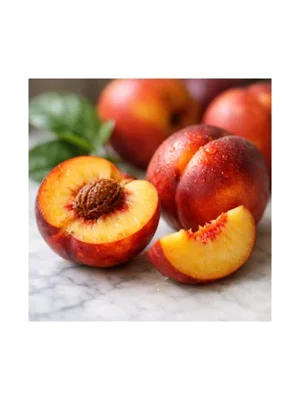 Nectarine
12% share of the perfume
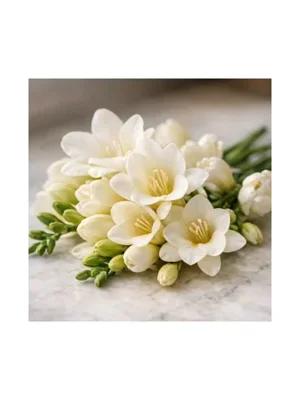 Freesia
10% share of the perfume
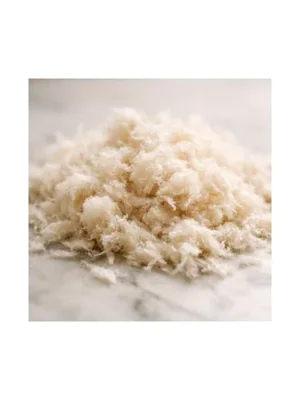 Musk
7% share of the perfume
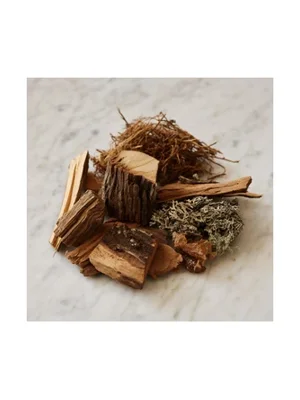 Woody Notes
7% share of the perfume
Osmanthus
11%
vs
13%
Jasmine
6%
vs
9%
Tuberose
11% share of the perfume
Grasse Rose Absolute
8% share of the perfume
Narcissus
6% share of the perfume
Sandalwood
4%
vs
7%
Cedar
4%
vs
7%
Amber
8% share of the perfume
Patchouli
4% share of the perfume
Vetiver
3% share of the perfume
Note weights are our estimate from each note's place in the pyramid, not the share of the formula. Brands do not publish formulations.
Performance
Season and Occasion Fit
Seasons
Peach, neroli and white florals sit best in spring, and the amber and cedar base carries it through autumn. Heavy summer heat and deep winter both push it out of its comfort zone.
Occasions
Creamy tuberose and amber make it a natural for romantic evenings and dinners. The gym is no place for it, and a quiet office would find it loud.
Seasons
Nectarine, freesia and a soft rose are spring through and through, with summer a gentler second. Autumn and winter would ask for something with more weight.
Occasions
Soft enough for casual days and dates, and fine in the office with a light hand. It is too sweet and powdery for the gym, and not formal enough for black tie.
Similarity Breakdown
Our estimate of how alike these two fragrances smell, calculated from their published notes. It is a position on our scale, not a measured percentage of shared smell.
Shares 5 of its 15 notes, including Jasmine, Tuberose, Osmanthus
Adds amber and bergamot, drops freesia and musk
Where to buy
Pick a size. The two cheapest offers, then the rest.







Prices before sales tax, which the shop adds at checkout.
ScentVerdict earns a commission from purchases - this doesn't affect our verdicts.