































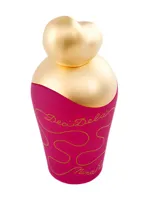
Deci Dela
EDP
Nina Ricci
Statement
French couture-rooted perfumes balancing airy florals with modern fruity-gourmand twists.
Nina Ricci was founded in Paris in 1932 by Italian-born couturiere Maria "Nina" Ricci together with her son Robert Ricci, who handled the business side of the house. Initially a fashion label known for refined, romantic womenswear, the company expanded into fragrance in the mid-1940s when Robert saw perfume as a way to extend the brand's vision.
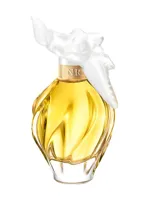
The first perfume, Coeur Joie (also written Coeur de Joie), appeared in 1946. It was composed by perfumer Germaine Cellier and bottled in a heart-shaped Lalique crystal flacon, marking the start of a long collaboration with the glassmaker. In 1948, Nina Ricci released L'Air du Temps, created with perfumer Francis Fabron and presented in a bottle with intertwined Lalique doves designed in partnership with Marc Lalique. L'Air du Temps became the house's flagship scent and remains in production decades later.
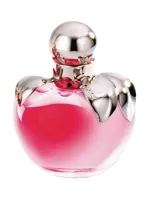
Over time, Nina Ricci developed a broader fragrance portfolio, including lines such as Les Belles de Ricci in the 1990s and the fruitier, youth-oriented Nina collection in the 2000s. The brand today is part of the Spanish beauty and fashion group Puig, which manages both its fashion and fragrance activities. Recent launches like Nina and its flanker variations show a shift toward more gourmand and sustainable compositions, including formulas highlighting naturally derived ingredients and upcycled raw materials.
A designer, premium house known for floral compositions.
The brand started with distinctly couture-inspired perfumes such as Coeur Joie and L'Air du Temps, emphasizing airy florals, powder, and an elegant 1940s-1950s style. From the 1990s onward, Nina Ricci broadened its palette with lines like Les Belles de Ricci that introduced brighter fruits and playful accords. Since the 2000s, the Nina and Luna series have pushed the house further into fruity-gourmand territory and younger demographics, while recent reformulations and launches show a growing focus on sustainability, higher percentages of naturally derived ingredients, and more transparent sourcing stories.
Nina Ricci is a solid choice if you like soft, feminine florals with a romantic tilt and do not need powerhouse performance. Fragrance obsessives may find the modern output a bit safe, but the classics and some flankers still offer real charm.
Favourite - easy to wear anywhere · Statement - bold & distinctive · Acquired - bold, for fewer occasions
EDP
Nina Ricci
EDP
Nina Ricci

EDP
Nina Ricci
EDT
Nina Ricci
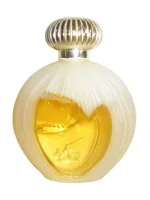
EDT
Nina Ricci

EDT
Nina Ricci

EDP
Nina Ricci
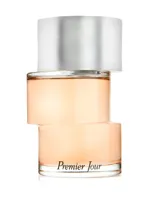
EDP
Nina Ricci
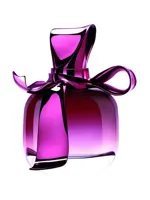
EDP
Nina Ricci
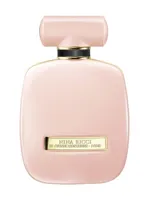
EDP
Nina Ricci
New finds, honest verdicts, and price drops.
No spam. Unsubscribe anytime. See our privacy policy.